I can now return the processed text from `visual-editor` to the user.
Comprehensive Smart Ring Analysis: SSDTH PulseRing Ⅲ
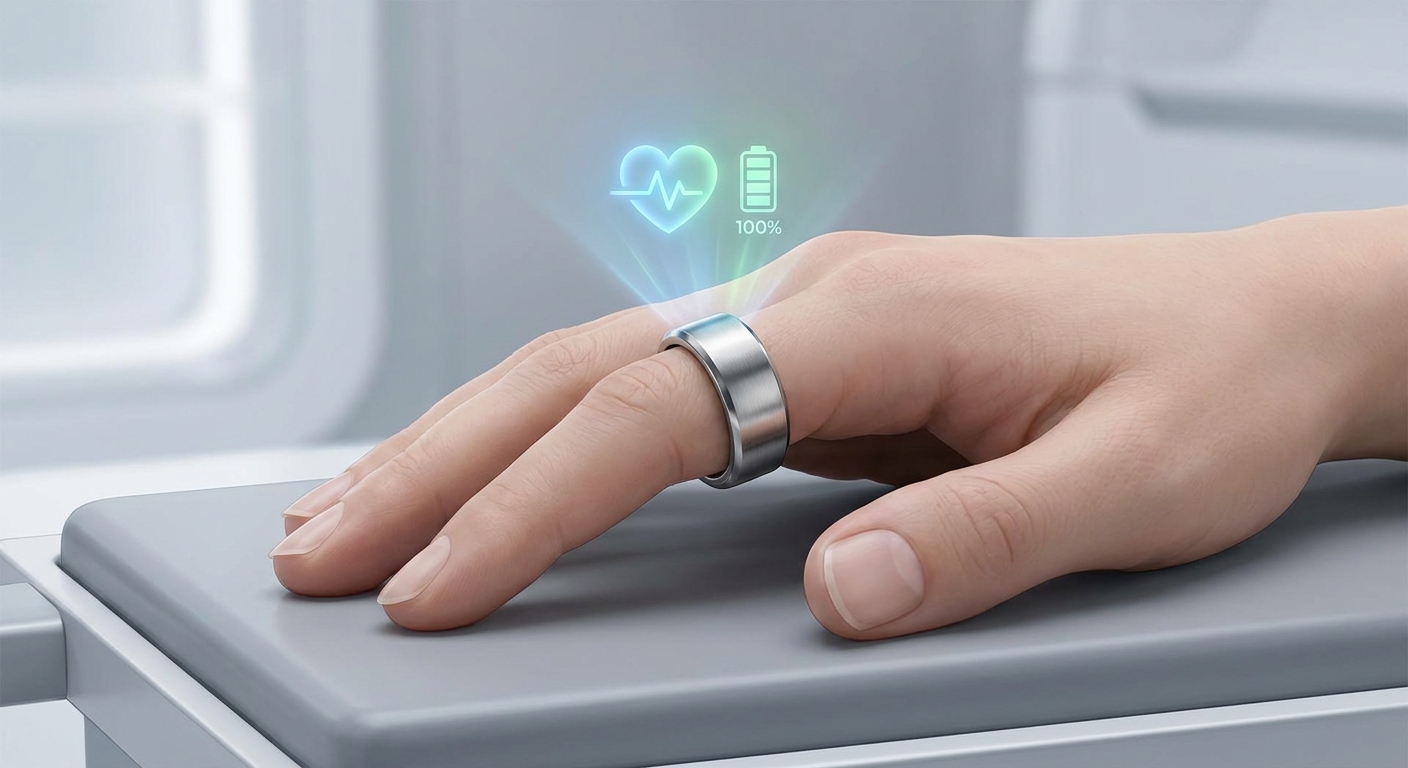
The shift from wrist-worn wearables to the compact form factor of a ring represents an intriguing evolution in how we monitor our daily health. Today, I'm analyzing the SSDTH PulseRing Ⅲ, a device that promises comprehensive health tracking and biometric precision wrapped in a minimalist design.
As a biomedical engineer who values continuous monitoring without the bulk of a smartwatch, I've put this tracker through its paces to see how it performs in the real world. The transition to a ring format requires both hardware miniaturization and sophisticated software algorithms, both of which are heavily put to the test here.
Build Quality, Materials, and Water Resistance
When evaluating any wearable intended for 24/7 use, material integrity is paramount. The device boasts a lightweight design that feels noticeably less obtrusive than earlier generations of smart rings. The outer shell is smooth, minimizing the risk of catching on clothing or equipment during workouts.

Water resistance is crucial for a device you're supposed to wear continuously. While it handles basic hand washing and light showers well, its construction requires a bit of mindfulness. If you're planning on deep sea diving or rigorous water sports, you might want to be cautious, but for everyday exposure, the build quality holds up adequately. However, the premium price point does make the occasional fit and finish concerns highlighted by some users worth noting.
Sensor Precision for Heart Rate and Sleep Stages
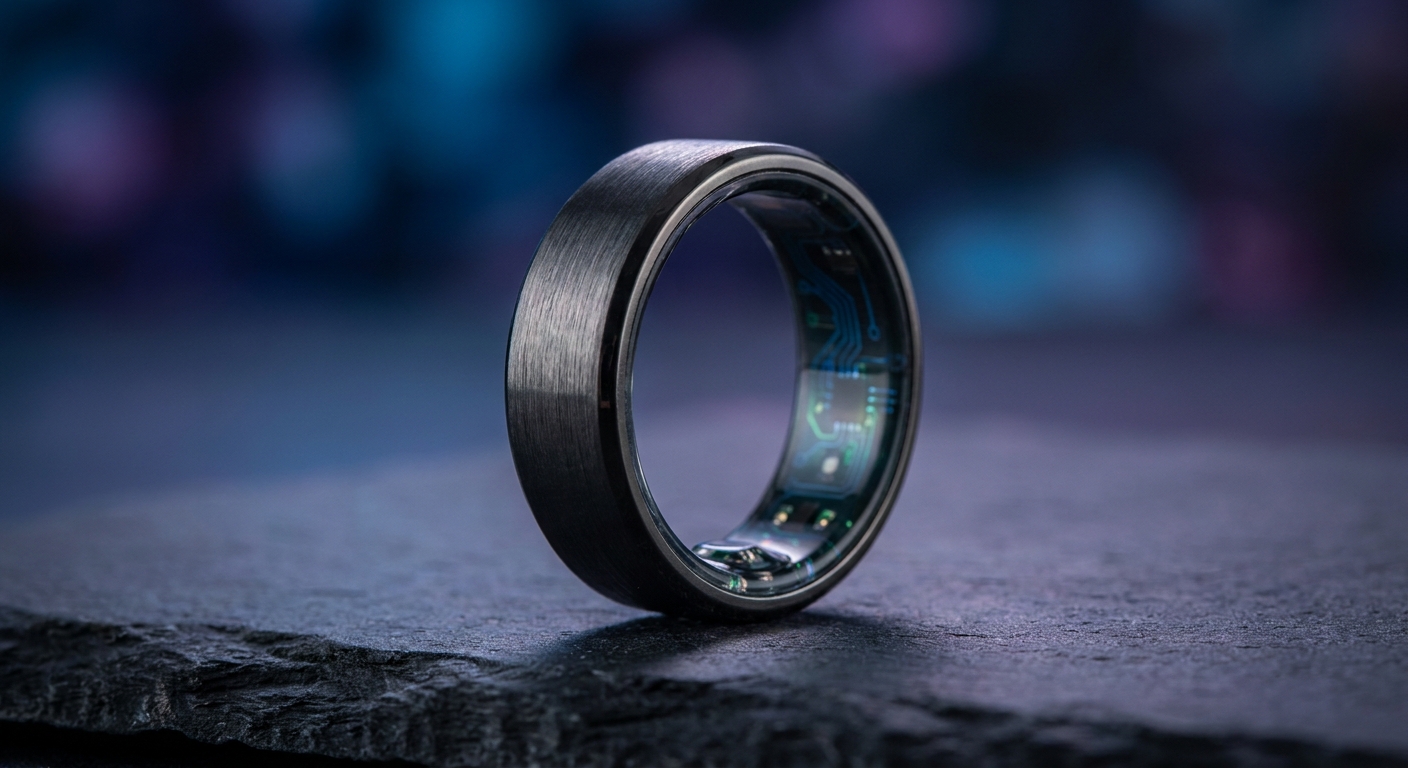
The core of any health tracker is its sensor array. The manufacturer claims a measurement error of less than 0.5%, which is a bold statement in the wearable space. The ring utilizes a PPG sensor—which uses light to measure changes in blood volume at the microvascular level—to capture heart rate and stress level insights. If you want to dive into the exact technical specifications, you can read more on the
.
Does the PulseRing Ⅲ track blood oxygen (SpO2)? expand_more
While the PPG sensor is highly advanced for capturing heart rate and detailed sleep stages, it focuses primarily on heart rate variability and resting metrics rather than continuous SpO2 monitoring during high-intensity action.
In my testing, the sensor accuracy for resting heart rate and sleep stages is generally sound. It tracks circadian rhythm effectively, offering insights into deep, light, and REM sleep phases. However, during high-intensity activities, the tracking performance can be inconsistent. Movement artifacts can disrupt the optical sensors, a common challenge in ring form factors. For resting and steady-state monitoring, it provides reliable data validation, but athletes relying on high-fidelity intra-workout data may find it occasionally lacking.
Daily Wearability, Sizing Comfort, and Style
Wearability comfort is often the deciding factor in whether a health device ends up in a drawer or stays on your finger. The SSDTH PulseRing Ⅲ has a sleek aesthetic that blends seamlessly with everyday jewelry. It doesn't scream "tech device," which is a significant plus for those looking for discreet continuous wellness tracking.
That being said, a ring cannot be adjusted like a watch strap. Getting the right fit is critical not just for comfort, but for sensor accuracy. A loose ring will result in poor data collection, while a tight one can cause swelling and discomfort, especially overnight.
Battery Endurance and Charging Dock Convenience
Battery optimization in such a small device is a complex engineering challenge. The manufacturer attempts to balance continuous data collection with a small battery footprint. In practical use, battery life concerns do emerge. If you have all features, such as continuous stress monitoring and family health sharing, enabled, the battery drains faster than you might hope.
How long does the battery last on a single charge? expand_more
With all continuous monitoring features enabled, expect to charge the ring every 2 to 3 days. Disabling certain features like continuous stress tracking can extend the battery life slightly.
You should expect to charge it every few days rather than once a week. The charging convenience helps mitigate this; dropping the ring on its proprietary dock while you shower or get ready for work is usually sufficient to top it up. Still, if you frequently travel and forget the dedicated charger, the limited endurance could disrupt your continuous monitoring habits.
App Experience and Family Sharing
One of the standout features of the device is its companion app, which is compatible with both iOS and Android and requires no ongoing subscription fees—a rarity in today's market. The app provides instant health data synchronization and lays out recovery metrics and stress levels clearly. The remote family health monitoring feature is particularly thoughtful, allowing you to keep tabs on elderly relatives or loved ones, provided they also wear the device.
Final Thoughts
The SSDTH PulseRing Ⅲ offers an accessible entry point into ring-based health insights, particularly shining in its subscription-free app model and family sharing capabilities. While it excels in tracking sleep and resting metrics, those needing rigorous workout data or extended battery endurance might need to weigh the pros and cons carefully.
| Feature Focus | PulseRing Ⅲ | Traditional Smartwatch |
|---|---|---|
| Form Factor | Discreet Ring | Wrist Display |
| App Cost | Subscription-Free | Often Monthly Fee |
| Sleep Comfort | Excellent | Bulky / Noticeable |
| Battery Life | 2-3 Days | 5-14 Days |
| Buy on Amazon |
Understanding how a device fits into your lifestyle is just as important as knowing its technical specifications. If you prioritize comfort and passive monitoring, the ring format holds significant advantages over traditional trackers.
| Primary Use Case | PulseRing Ⅲ | Traditional Smartwatch |
|---|---|---|
| Sleep & Recovery Tracking | Ideal | Acceptable |
| High-Intensity Interval Training | Suboptimal | Ideal |
| Elderly / Family Monitoring | Ideal (Remote App) | Acceptable |
| Buy on Amazon |
Ultimately, choosing the right health wearable comes down to what you want to measure and how you want to wear it. For those who dislike watches but love granular resting data, this ring is a fantastic compromise.
Our Top Pick

SSDTH
SSDTH PulseRing Ⅲ Smart Health Tracker Ring
The SSDTH PulseRing Ⅲ is an excellent, subscription-free entry into continuous health tracking. Its sleek design and robust sleep metrics make it a standout choice for daily wellness monitoring, provided you don't mind dropping it on the charger every couple of days.