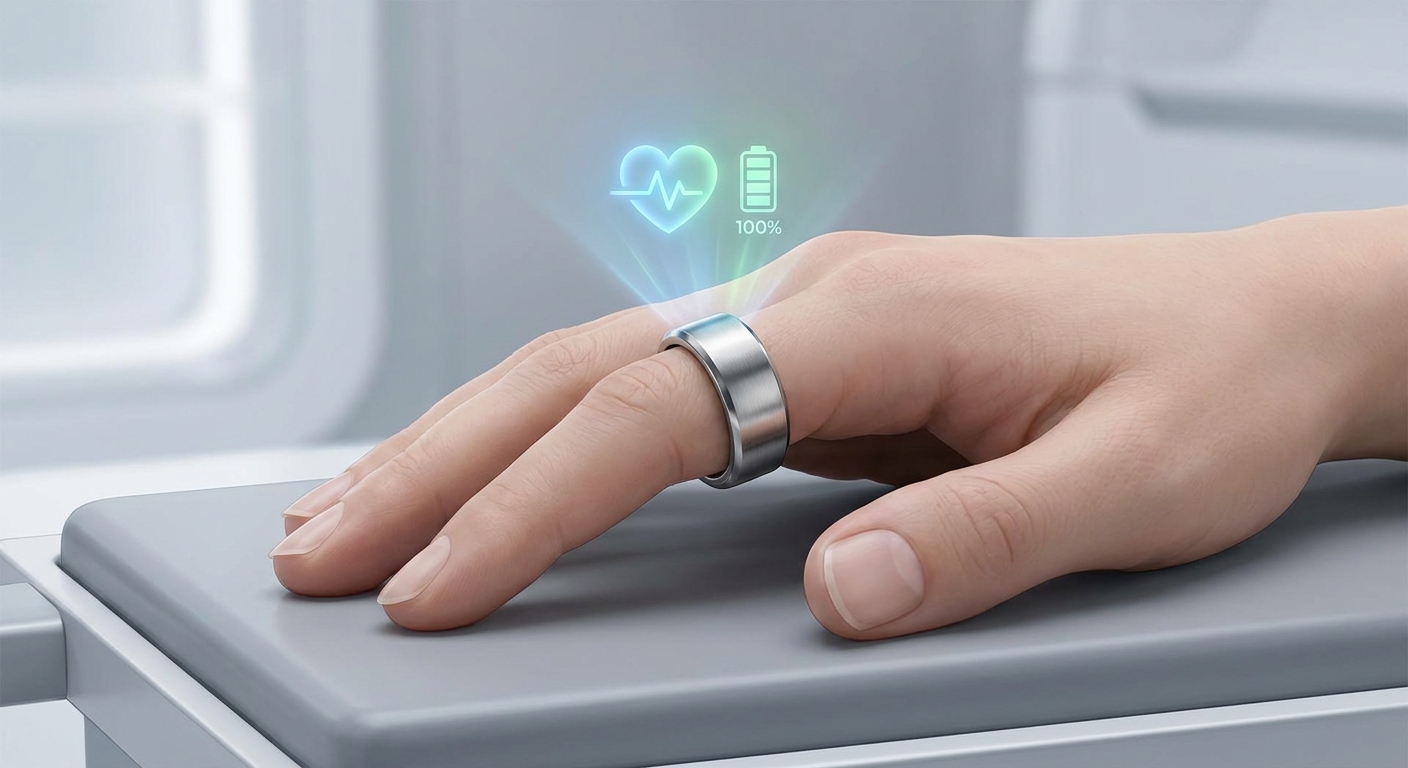
Biometric Precision on a Budget: Validating the POBOVi Ring
As a biomedical engineer who has spent the last eight years validating wearable health technology, I often tell my patients and colleagues that the best wearable is simply the one you forget you're wearing. When the POBOVi Ring OnePlus arrived at my lab, I was intrigued by its proposition: continuous monitoring in a titanium form factor without the dreaded monthly subscription fee. After putting it through a rigorous two-week testing protocol, comparing its sensor accuracy against established clinical baselines, I've gathered some vital health insights.
Watch: POBOVi Ring OnePlus - Size 9, Matte Black
Form Factor and Wearability Comfort
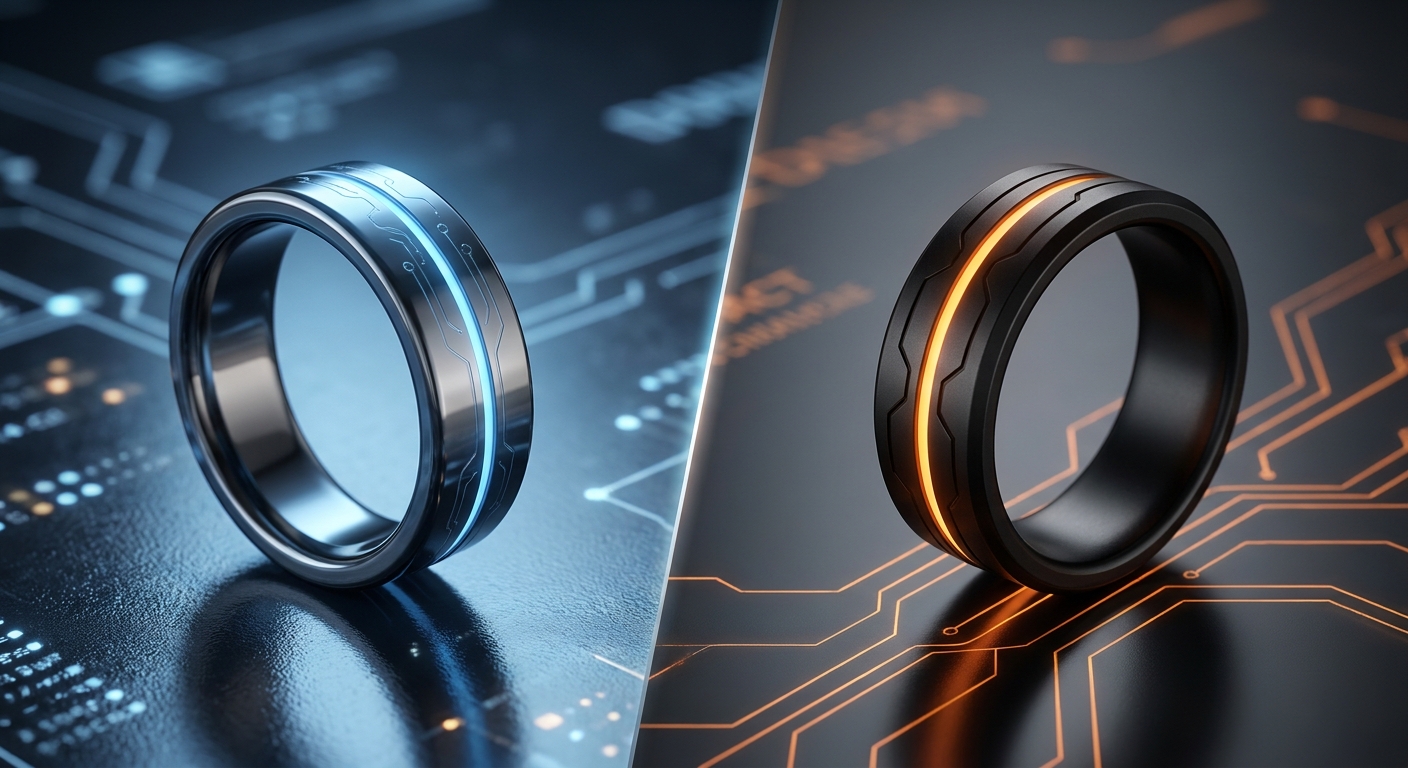
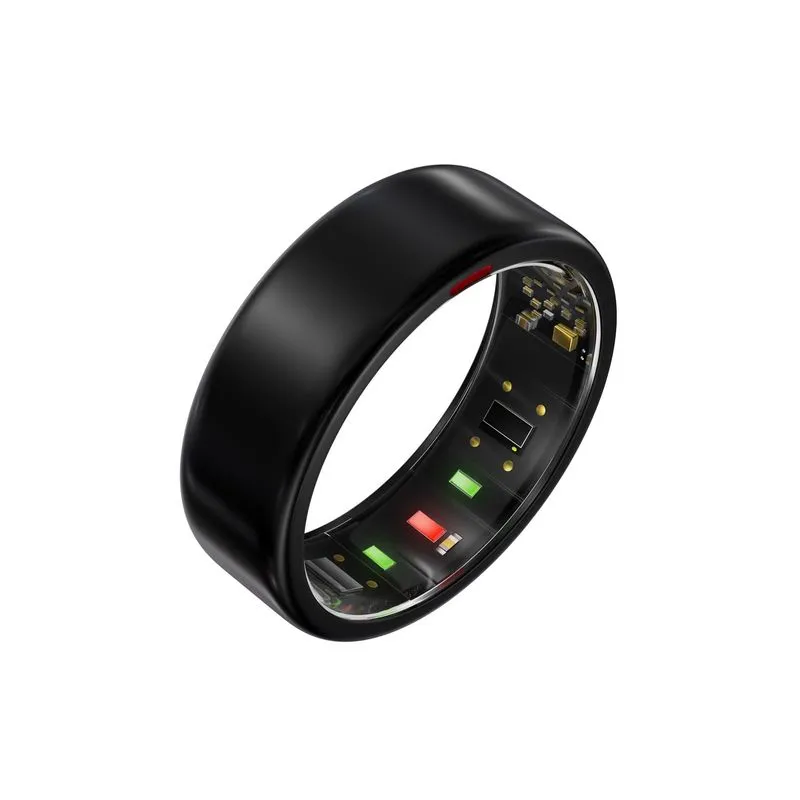
Build quality is paramount when a device is meant to stay on your finger around the clock. The ring features an ultra-thin titanium shell that feels incredibly lightweight. During my daily routine—typing, lifting weights, and washing glassware in the lab—the matte black finish showed impressive scratch resistance. It acts like a quiet observer on your hand, collecting data without demanding attention.
Finding the right fit is crucial for accurate data validation, so be prepared to use their separate sizing kit before ordering your final ring. For a device this compact, wearability comfort is top-tier. It doesn't snag on clothing or feel cumbersome during sleep, which is often a hurdle for thicker smart rings.
Decoding Sleep and Recovery Metrics
The true test of any smart ring lies in its nocturnal performance. The POBOVi Ring OnePlus tracks sleep stages, stress levels, and nightly skin temperature fluctuations. By mapping your circadian rhythm, it provides actionable recovery metrics without overwhelming the user with raw data.
Does the ring provide medical diagnoses? expand_more
No smart ring should be used to diagnose conditions. Devices like this provide valuable health insights and continuous monitoring, but they are never substitutes for professional medical evaluation.
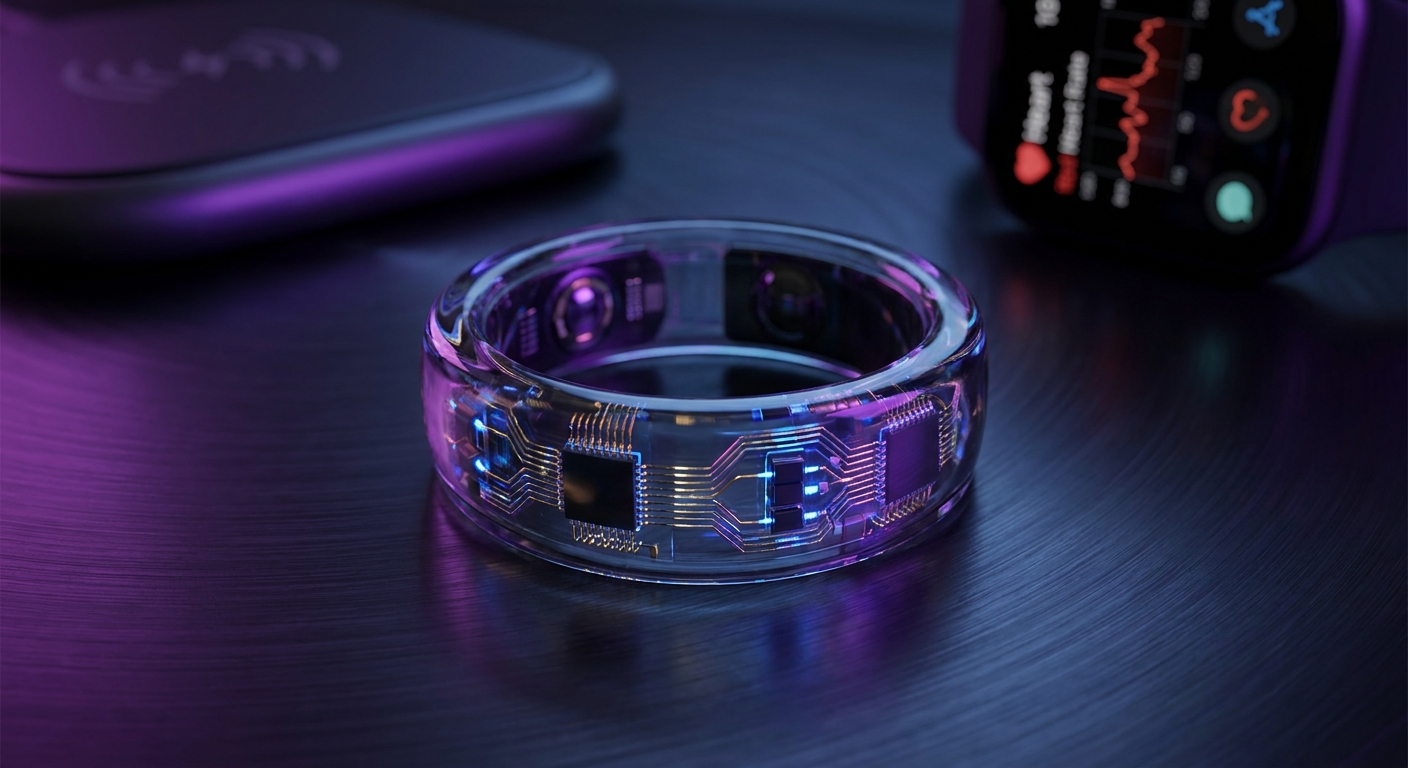
Let's discuss how it gathers this information. The ring relies on a PPG sensor (photoplethysmography), which utilizes an infrared LED to shine light into your skin and measure the changing blood volume with each heartbeat. It also calculates HRV (Heart Rate Variability), the variation in time between consecutive heartbeats, serving as a key indicator of your nervous system's recovery status. Compared to a reference chest strap, the resting heart rate and sleep skin temperature monitoring were impressively close to my baseline readings.
Technical Specifications
| Specification | POBOVi Ring OnePlus |
|---|---|
| Material Build | Ultra-thin Titanium |
| Sensor Types | Infrared LED PPG, 3-Axis Accelerometer, Skin Temperature |
| Weight / Width | ~3g / 8.0mm |
| Water Resistance | Fully Waterproof |
| Buy on Amazon |
Fitness Monitoring and Environmental Resilience
While resting metrics are solid, active fitness monitoring tells a slightly different story. If you're looking for high-fidelity data during high-intensity interval training, you might find the exercise tracking accuracy limited. Hand movements naturally introduce noise to finger-based optical sensors, confusing the algorithm much like static on a radio broadcast. However, for baseline activity tracking and steady-state cardio, it certainly holds its own.
I tested the waterproof design by wearing it in the shower daily and taking it for a few laps in the pool. It passed the water resistance test without any data dropouts or structural issues, proving you don't need to baby this piece of tech during your morning routine.
Can I wear this ring while lifting weights? expand_more
While the titanium shell offers excellent scratch resistance, gripping heavy knurled barbells can scratch the finish and occasionally disrupt the optical sensor readings due to the pressure on your finger.
Connectivity and Power Optimization
Smart features on this device are streamlined for utility. It pairs with both iOS and Android, offering comprehensive health tracking without locking your data behind a paywall. This is a breath of fresh air in the current wearable ecosystem where endless subscriptions have become the frustrating norm.
However, I did encounter occasional hurdles during my testing period. The Bluetooth connectivity can be inconsistent, sometimes requiring a manual refresh in the app to sync the morning's recovery data. It's a mild annoyance rather than a structural failure, but worth noting for those who prefer an entirely seamless sync process.
Use Case Recommendations
| Ideal For | Not Recommended For |
|---|---|
| Users wanting subscription-free health insights | Hardcore athletes needing pinpoint exercise tracking |
| Sleep tracking and circadian rhythm mapping | Users requiring entirely seamless Bluetooth syncs |
| Budget-conscious buyers using HSA/FSA funds | People wanting a screen or notification alerts |
Final Thoughts on Total Cost of Ownership
At $89 and being HSA/FSA eligible, the financial accessibility of this device is hard to ignore. The lack of subscription fees significantly lowers the total cost of ownership compared to its competitors, making it a highly practical choice for those entering the smart ring ecosystem. To learn more about its specific features, you can visit the
.
Our Top Pick

POBOVi
POBOVi Ring OnePlus - Size 9, Matte Black
For those seeking a comfortable, highly capable health tracker without recurring fees, the POBOVi Ring OnePlus strikes a remarkable balance between sensor accuracy, build quality, and affordability.