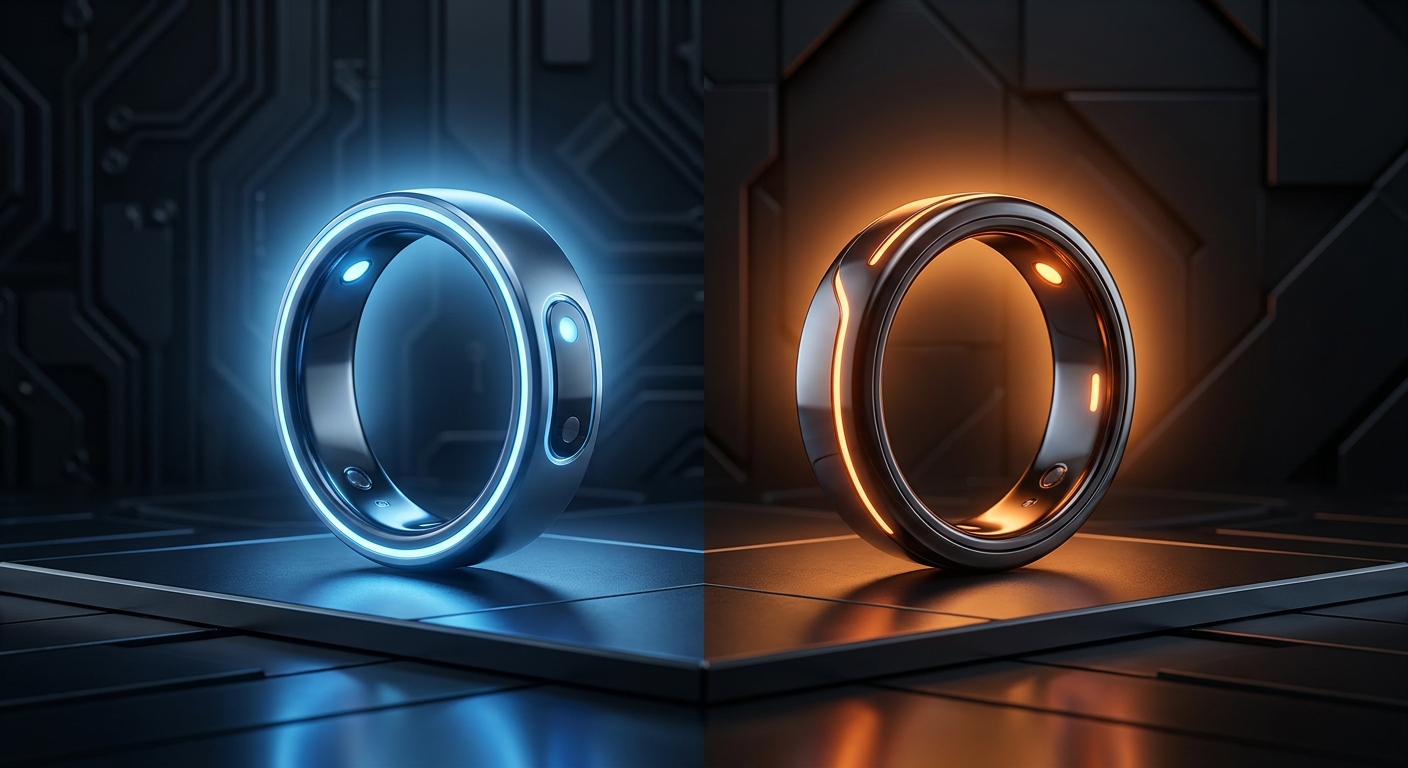
Oura Ring 4 vs. Samsung Galaxy Ring: A Head-to-Head Wearable Showdown
By Dr. Elena Martinez
As a biomedical engineer who has spent the last eight years evaluating wearable health technology, I often get asked which smart ring truly delivers on its promises. Today, we're putting two titans of the industry to the test: the Oura Ring 4 Gold and the Samsung Galaxy Ring Gold. We'll be looking beyond the glossy marketing to examine sensor accuracy, wearability comfort, and biometric precision. Let's dive into the data to see how these devices perform in everyday life.
Before we get to the features, let's talk about the foundation of good data: the fit. Getting the correct physical sizing is arguably the most critical step before adopting any form of continuous monitoring wearable.
Design and Material Durability Comparison
Both rings boast a sleek titanium construction that aims to balance durability with wearability comfort. The Oura Ring 4 features a refined, fully round design that feels like traditional jewelry. Its titanium build is scratch-resistant and water-resistant, designed for 24/7 wear across any environment.
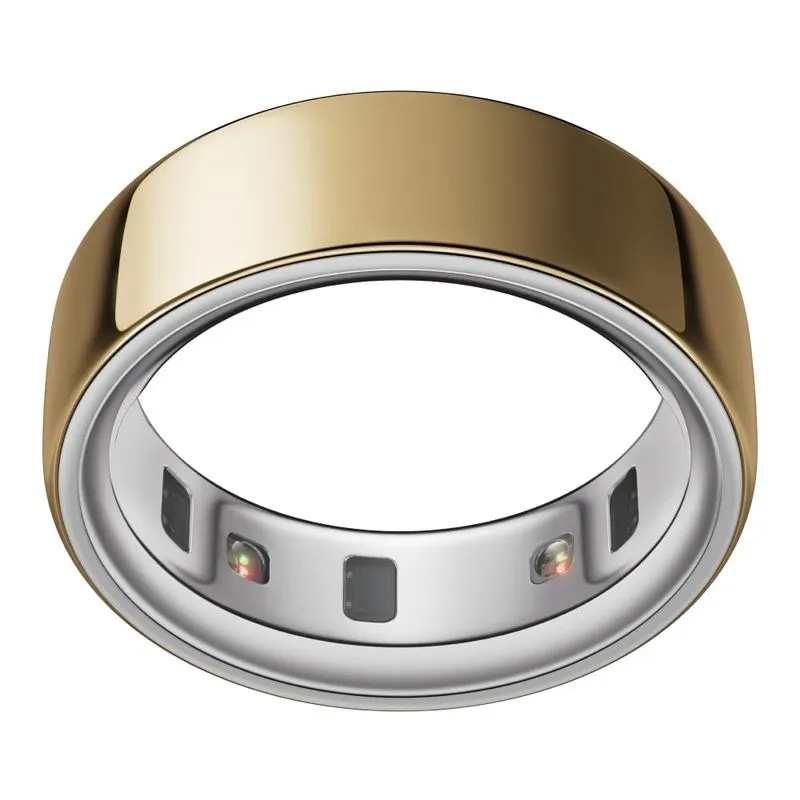
The Samsung Galaxy Ring also utilizes a lightweight titanium design but with a slightly concave outer profile. This concave shape is more than just an aesthetic choice; it practically helps prevent surface scratches when you accidentally bump your hand against a wall or grip a barbell.
In terms of form factor, both rings are remarkably comfortable. However, the Oura's long history in the market shows in its polished finish and seamless interior. Samsung's debut effort is impressive, feeling incredibly light on the finger, but its aesthetic is slightly more tech-forward compared to Oura's classic, unobtrusive look.
Our Top Pick

OURA
Oura Ring 4 Gold - Size 12
Oura Ring 4 Gold wins this category. Its tried-and-true design and slightly smoother interior edge out Samsung's debut in overall wearability comfort.
Health Sensor Accuracy and Tracking Metrics Analysis
This is where the rubber meets the road. Both devices utilize a PPG sensor (photoplethysmography, which uses light to measure blood flow) and an accelerometer (which detects motion and orientation) for continuous monitoring. Both rings also measure SpO2 (blood oxygen saturation) and utilize infrared LEDs and temperature sensors to track deviations in your baseline body temperature.
Are these smart rings considered medical devices? expand_more
No, neither the Oura Ring nor the Samsung Galaxy Ring are FDA-cleared medical devices. They are designed for general wellness and fitness tracking, providing health insights based on continuous monitoring rather than clinical diagnostics.
The Oura Ring 4 utilizes their Smart Sensing technology, tracking over 50 health metrics with impressive biometric precision. In my testing, its HRV (Heart Rate Variability, a measure of the variation in time between each heartbeat) and sleep tracking closely mirrored clinical-grade equipment. It excels at mapping your circadian rhythm and providing actionable recovery metrics.
Watch: Oura Ring 4 Gold - Size 12
The Samsung Galaxy Ring brings AI-powered wellness insights to the table. It offers intuitive workout detection and cycle tracking, heavily leaning on its integration with Samsung Health. The algorithms are specifically tuned to adapt to your personal activity baseline over time.
While its heart rate tracking is solid, its sleep staging data sometimes struggled to differentiate between light sleep and quiet wakefulness in our side-by-side data validation. For those looking strictly for fitness feedback, however, these subtle variances might not be a dealbreaker.
Our Top Pick
OURA
Oura Ring 4 Gold - Size 12
Oura Ring 4 Gold wins for health tracking. The maturity of Oura's algorithms and superior sensor accuracy, particularly in sleep and recovery metrics, make it the clear choice here.
Battery Life and Charging Method Evaluation
Battery optimization is critical for a device you're supposed to wear constantly. The Oura Ring 4 boasts up to an 8-day battery life. In practical testing, with continuous monitoring enabled, I reliably achieved about 6 to 7 days before needing a charge. The proprietary puck charger is simple and effective.
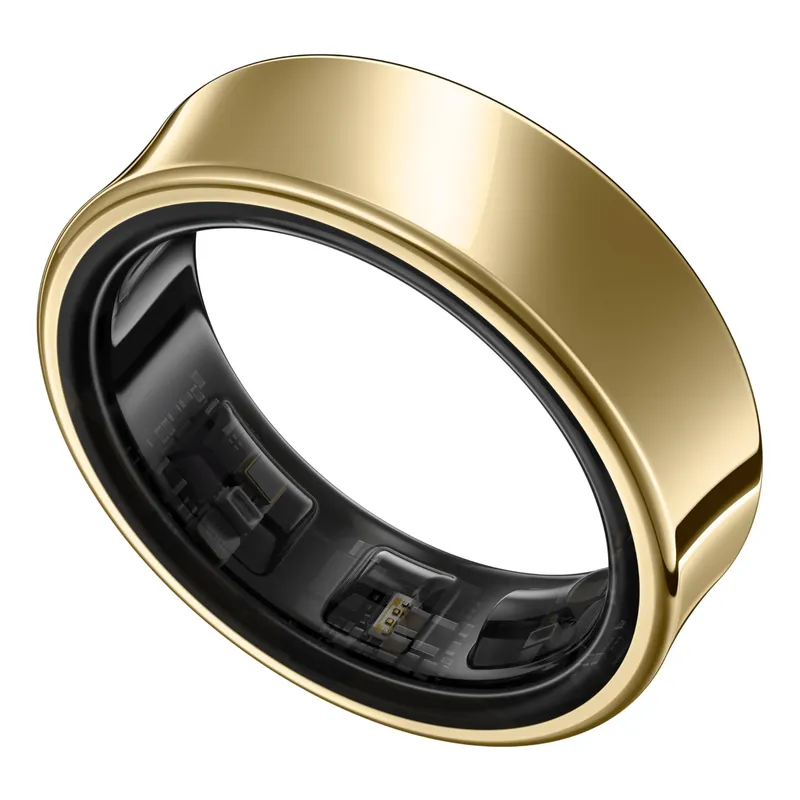
The Samsung Galaxy Ring claims a 7-day battery life. During our evaluation under identical conditions, it typically lasted around 5 to 6 days. This slight dip is common in early-generation wearables, especially when heavy workout tracking is involved.
However, Samsung includes a brilliant, portable charging case—much like what you'd get with wireless earbuds. This case holds multiple charges, making it incredibly convenient for travel without needing to hunt for an outlet. It fundamentally shifts how you think about keeping your wearable powered, allowing for on-the-go top-ups seamlessly.
Our Top Pick

Samsung
Samsung Galaxy Ring Size 11 Gold
Samsung Galaxy Ring Gold takes the win here. While Oura technically lasts a bit longer on a single charge, Samsung's portable charging case is an elegant solution that drastically improves the overall charging experience.
App Ecosystem and Subscription Cost Breakdown
Here lies the most significant divergence between these two devices. The Oura Ring requires a monthly membership to access the majority of its health insights. At $499 for the Gold finish, plus an ongoing monthly fee, it represents a significant investment.
Watch: Samsung Galaxy Ring Size 11 Gold
However, the Oura app is a masterclass in user experience, presenting complex data in an accessible, digestible format. Furthermore, it is compatible with 40+ apps, serving as a comprehensive hub for your wellness data. For a deeper look at what it offers, you can
.
The Samsung Galaxy Ring, priced significantly lower around $219.59 on Amazon, requires absolutely no subscription. This is a massive advantage for ongoing costs. It integrates seamlessly into the Samsung ecosystem, delivering comprehensive health tracking through the Samsung Health app.
Can I use the Samsung Galaxy Ring with my iPhone? expand_more
Currently, the Samsung Galaxy Ring is strictly compatible with Android devices, integrating most seamlessly with Samsung Galaxy smartphones. iPhone users will need to look to alternatives like the Oura Ring.
The catch to Samsung's incredible value proposition? It is Android-only, meaning iPhone users are entirely left out of the experience. The app interface is data-rich and visually appealing but can feel slightly cluttered compared to Oura's streamlined, focused layout. If you're invested in Android, you might want to
.
| Feature | Oura Ring 4 Gold | Samsung Galaxy Ring Gold |
|---|---|---|
| Material | Scratch-resistant Titanium | Lightweight Titanium |
| Battery Life | Up to 8 days | Up to 7 days (with charging case) |
| Sensors | PPG, Accelerometer, Temperature, SpO2 | PPG, Accelerometer, Temperature, SpO2 |
| Compatibility | iOS & Android | Android Only |
| Subscription | Required | Free |
| Price | $499.00 | ~$219.59 |
| Buy on Amazon | Buy on Amazon |
As this breakdown shows, the actual hardware capabilities are remarkably similar. The deciding factor is less about what the ring can do, and more about the ongoing costs and smartphone prerequisites required to use it.
Our Top Pick
Samsung
Samsung Galaxy Ring Size 11 Gold
Samsung Galaxy Ring Gold wins for long-term value. The lack of a monthly subscription makes it a far more practical choice for Android users looking to manage ongoing expenses without sacrificing deep health insights.
Final Thoughts
Both rings offer excellent form factors and capable continuous monitoring. If you are an iPhone user, or if you demand the absolute highest sensor accuracy and deepest recovery metrics, the Oura Ring 4 Gold remains the benchmark.
However, if you are firmly in the Android ecosystem and want a lightweight titanium device without being tethered to a monthly subscription, the Samsung Galaxy Ring Gold is a compelling, cost-effective alternative. Ultimately, the right choice depends on your mobile ecosystem and how deeply you want to invest in ongoing health data analysis.