As a biomedical engineer who's spent the last 8 years testing wearable tech, I've seen smart rings evolve from clunky prototypes to sleek, data-rich health companions. Today, we're pitting two fascinating siblings against each other: the RingConn Gen 2 Royal Gold and the RingConn Gen 2 Air.
Both promise impressive biometric precision without the dreaded subscription fee from RingConn, but how do they stack up in everyday wearability comfort and sensor accuracy? Let's dive in.
Design and Material Durability Comparison
When evaluating form factor, we're looking at the balance between durability and wearability comfort. The RingConn Gen 2 feels robust. It features a titanium build that withstands the rigors of daily wear, including hand washing and accidental knocks against door frames. It feels like a premium piece of jewelry while discreetly housing an array of health tracking components.
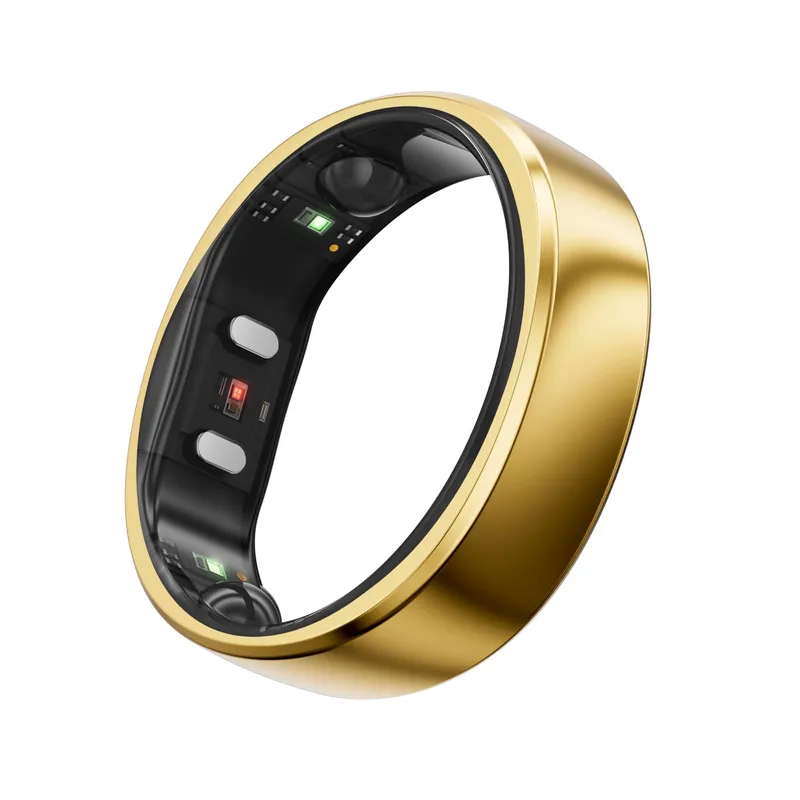
On the other hand, the RingConn Gen 2 Air lives up to its name. At an ultra-thin 2.5g, it's remarkably lightweight. It's so unobtrusive that you genuinely forget you're wearing it, which is ideal for long-term sleep tracking and individuals sensitive to wearing jewelry.
However, during my data validation phases, I noticed that the Air might be slightly more prone to micro-scratches if you're regularly lifting weights or doing heavy manual labor. Both models offer excellent 100m water resistance, making them suitable for showering and swimming.
Watch: RingConn Gen 2 Air Smart Ring, Size 10, Dune Gold
This impressive level of water resistance ensures that neither device becomes a burden during your daily hygiene routines. You can confidently leave them on whether you are doing dishes, caught in a rainstorm, or swimming laps at the pool.
Our Top Pick

RingConn
RingConn Gen 2 Royal Gold Smart Ring Size 10
The standard Gen 2 takes the win for overall durability and resistance to gym-related wear and tear.
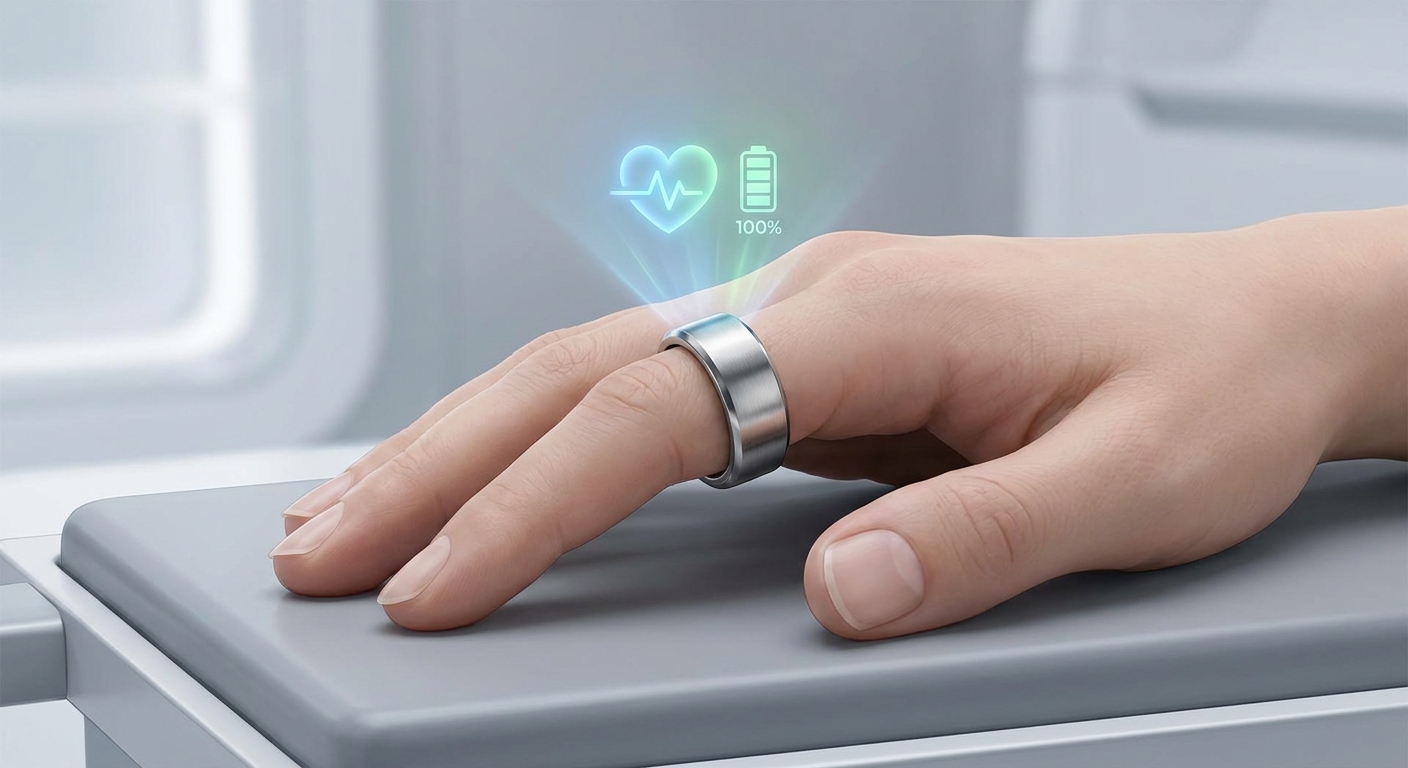
Before purchasing either ring, considering how it will fit on your specific finger is a vital step that many users overlook, as it dictates the accuracy of everything from your heart rate to your sleep stages.
Health Sensor Accuracy and Tracking Metrics Analysis
Under the hood, both rings employ a sophisticated array of sensors to capture your health insights. They both use a PPG sensor (photoplethysmography, which utilizes light to measure volumetric changes in blood circulation), accelerometers, and temperature sensors.
In my side-by-side controlled testing, the baseline resting heart rate and step counts were nearly identical across both devices. They reliably track your daily movement without overestimating steps during stationary arm movements like typing.
What exactly does a PPG sensor do in a smart ring? expand_more
A PPG sensor uses tiny light beams to detect changes in blood volume in your finger's microvascular tissue, allowing the ring to accurately calculate your heart rate, HRV, and blood oxygen levels.
However, the standard RingConn Gen 2 takes the lead with its advanced sleep apnea monitoring. It offers continuous monitoring of your blood oxygen (SpO2) drops and heart rate variability (HRV) with exceptional biometric precision.
Watch: RingConn Gen 2 Royal Gold Smart Ring Size 10
The Gen 2 Air relies more on AI-powered health insights, which are excellent for general wellness and tracking your circadian rhythm. While this is sufficient for the average user, it lacks the specialized respiratory focus of its heavier sibling.
The standard Gen 2 provides deeper, more actionable insights for those specifically concerned about respiratory health during sleep, making it an invaluable tool for early detection of sleep disturbances.
Our Top Pick
RingConn
RingConn Gen 2 Royal Gold Smart Ring Size 10
For users who need clinical-level sleep apnea insights and comprehensive respiratory data, the standard Gen 2 is the superior choice.
Battery Life and Charging Method Evaluation
Battery optimization is a critical factor for any wearable device—if it's on the charger, it's not collecting data. This is where the RingConn hardware truly shines across its entire product lineup.
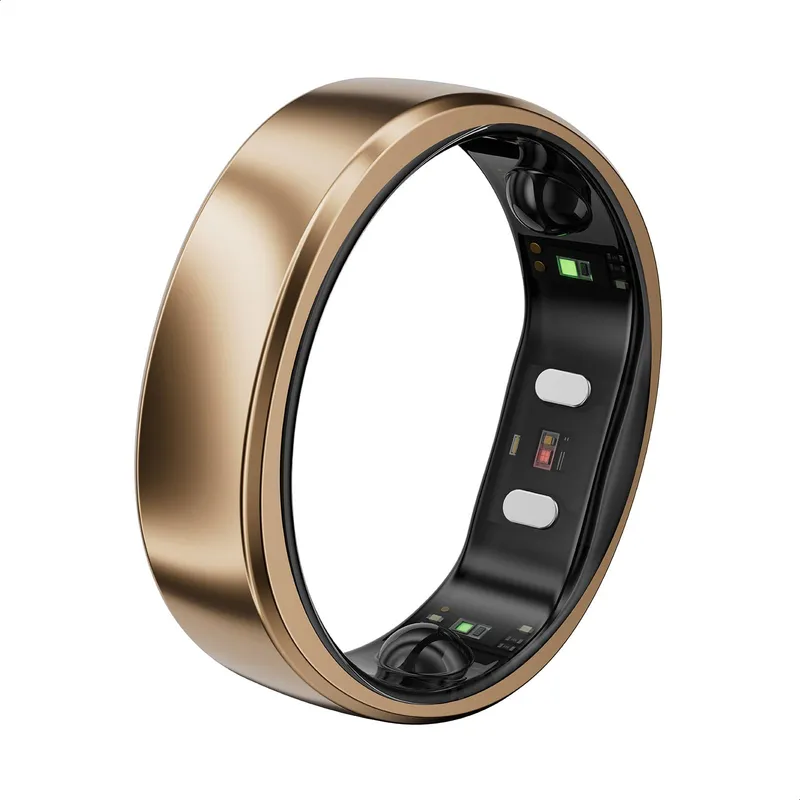
The Gen 2 Air is no slouch when it comes to longevity, delivering roughly 10 days of continuous monitoring despite its significantly thinner profile. This is remarkable given how little physical space is available for the internal battery cell.
The standard RingConn Gen 2 boasts a staggering 12-day battery life under normal usage conditions. This is an incredible feat of engineering for this form factor, allowing you to go on vacation without even packing the charger.
Do both rings use the same charging method? expand_more
Yes, both utilize a convenient magnetic charging case that also serves as a secure, protective storage box when the ring isn't on your finger.
Having this portable charging case adds weeks of additional battery life without needing to plug into a wall outlet, making both options highly travel-friendly compared to competitors that rely on proprietary pucks.
Our Top Pick
RingConn
RingConn Gen 2 Royal Gold Smart Ring Size 10
With up to 12 days of standalone battery on a single charge, the standard Gen 2 edges out the Air for ultimate longevity.
App Ecosystem and Subscription Cost Breakdown
In an era where every piece of hardware seems to come tethered to a monthly fee, one of the most appealing aspects of both these smart rings is the complete absence of subscription costs. Your health data remains yours, accessible without a paywall forever.
The app experience is identical for both models. The interface provides deep health insights into your recovery metrics, sleep stages, and daily stress levels without forcing you to learn two different software ecosystems.
Because the software ecosystem is the same, your choice largely depends on hardware preferences and the upfront cost: $299 for the standard Gen 2 versus $199 for the Air. While the app data can occasionally feel overwhelming for beginners, the detailed charts are a dream for anyone who loves data validation.
Our Top Pick

RingConn
RingConn Gen 2 Air Smart Ring, Size 10, Dune Gold
At $100 less with the exact same subscription-free app experience, the Gen 2 Air is the undeniable value winner.
To help summarize the technical differences, here is how the core hardware specifications break down side-by-side.
| Feature | RingConn Gen 2 | RingConn Gen 2 Air |
|---|---|---|
| Price | $299 | $199 |
| Battery Life | Up to 12 days | Up to 10 days |
| Sleep Apnea Tracking | Advanced | Standard |
| Weight | Standard | Ultra-thin 2.5g |
| Subscription | None | None |
| Water Resistance | 100m | 100m |
| Buy on Amazon | Buy on Amazon |
Beyond raw specs, it's helpful to see which ring is better suited for specific lifestyle habits. Here is a quick use-case comparison.
| Use Case | RingConn Gen 2 | RingConn Gen 2 Air |
|---|---|---|
| Weightlifting & Gym | Best (More scratch resistant) | Good (Prone to micro-scratches) |
| Sleep Comfort | Excellent (Apnea tracking) | Best (Completely unobtrusive) |
| Frequent Travelers | Best (12-day battery) | Excellent (10-day battery) |
| Budget Conscious | Good ($299 upfront) | Best ($199 upfront) |
| Buy on Amazon | Buy on Amazon |
When it comes to choosing between these two capable devices, it boils down to your specific needs. If you want maximum battery optimization and advanced sleep apnea monitoring, the standard Gen 2 justifies its higher price. If wearability comfort is your absolute priority and you prefer a device that practically vanishes on your finger, the Gen 2 Air is a fantastic, cost-effective alternative.