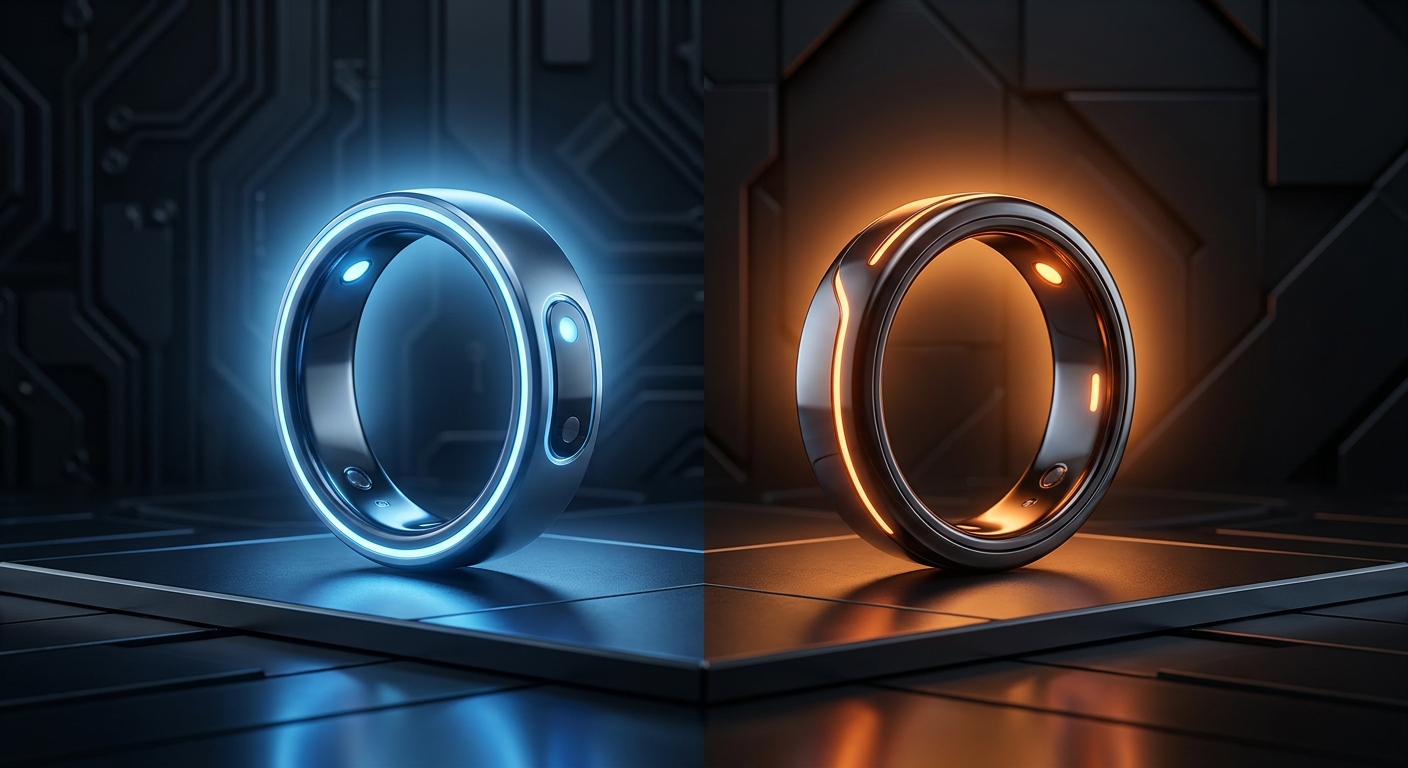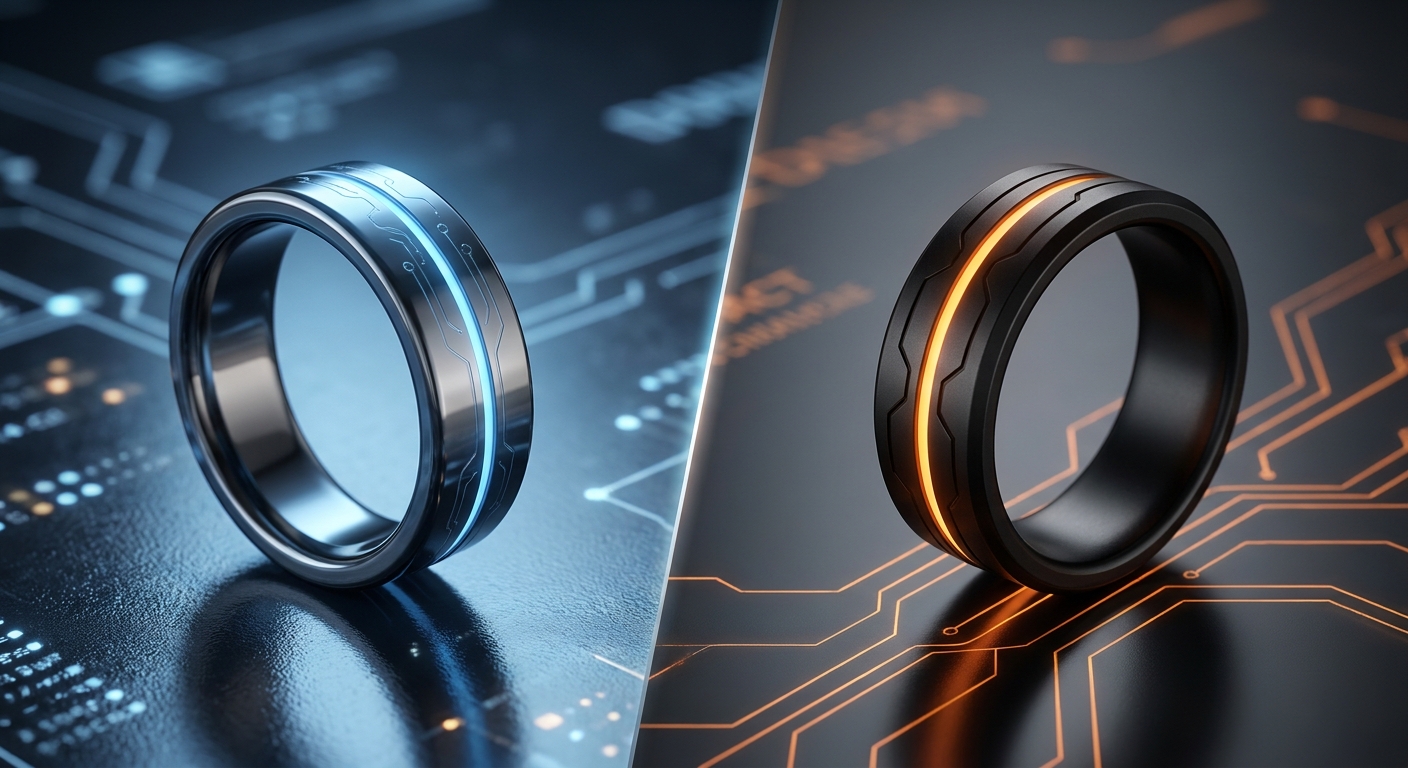
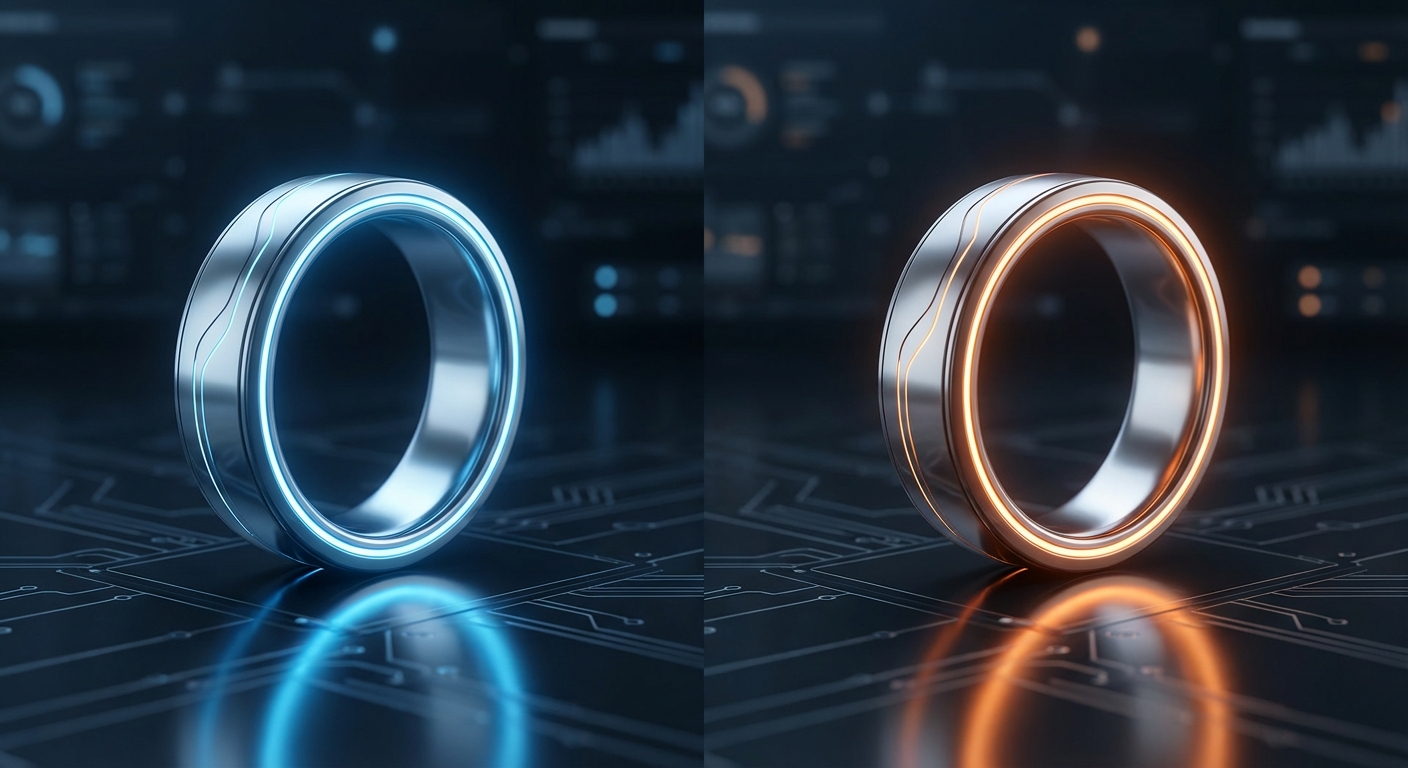
As a biomedical engineer testing wearable health technology, I often get asked which smart ring is worth the investment. Over the past eight years, I've seen devices evolve from basic step counters to sophisticated labs on your finger. Today, we're putting two heavyweights under the microscope: the RingConn Gen 2 Air and the Oura Ring 4. Neither of these devices offers 'magic' solutions, but they both provide fascinating health insights through continuous monitoring.
Watch: RingConn Gen 2 Air Smart Ring, Size 10, Galaxy Silver
Testing wearables requires looking beyond the spec sheets. In my lab, we focus on how these rings perform during normal daily activities, separating the marketing hype from real-world performance by analyzing biometric precision, wearability comfort, and overall value.
Design and Material Durability
When you're committing to 24/7 wearability comfort, the form factor is everything. A wearable only works if you actually want to wear it. The RingConn Gen 2 Air boasts an incredibly ultra-thin 2mm profile. It's lightweight and comfortable, making it easy to forget you're wearing it whether you're typing at a keyboard or gripping a steering wheel. It is also waterproof up to 100 meters.
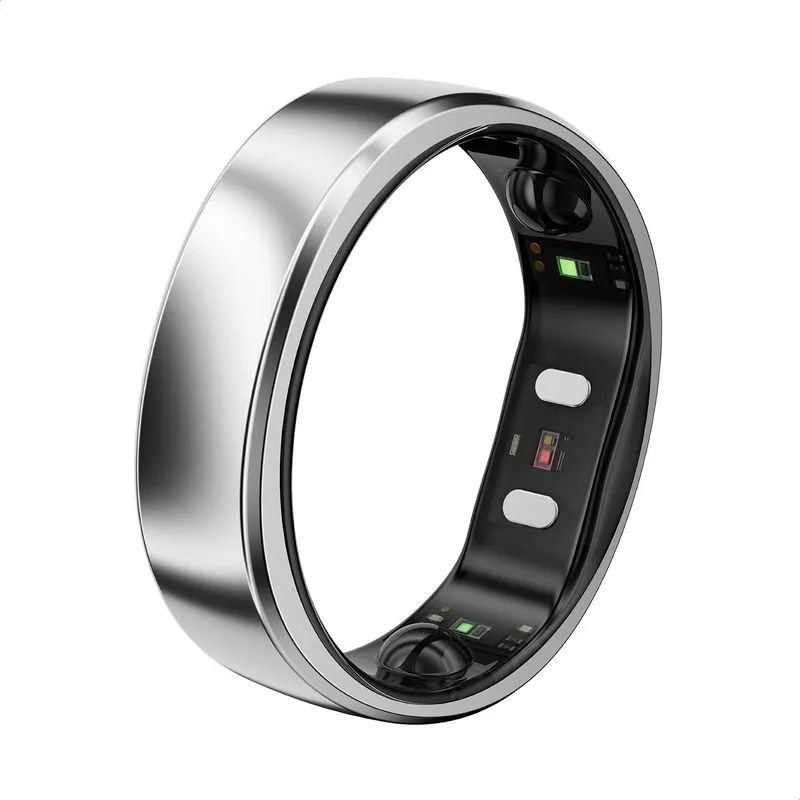
The tactile experience of wearing a finger sensor is subjective, but weight and thickness are measurable. The Gen 2 Air excels in minimizing both, making it an excellent introductory device for those unused to wearing jewelry.
On the other hand, the Oura Ring 4 features a sleek, all-titanium minimalist design that feels incredibly robust on the finger. While both rings are designed for continuous monitoring, my long-term wear tests showed the RingConn can scratch under heavy use, like gripping knurled barbells during weightlifting. Oura’s titanium shell proved slightly more resilient to daily abrasions, maintaining its polished finish longer.
Our Top Pick

OURA
Oura Ring 4 - Silver - Size 9
The premium titanium build quality and superior scratch resistance give Oura the durability advantage for active lifestyles.
Health Sensor Accuracy and Tracking Metrics
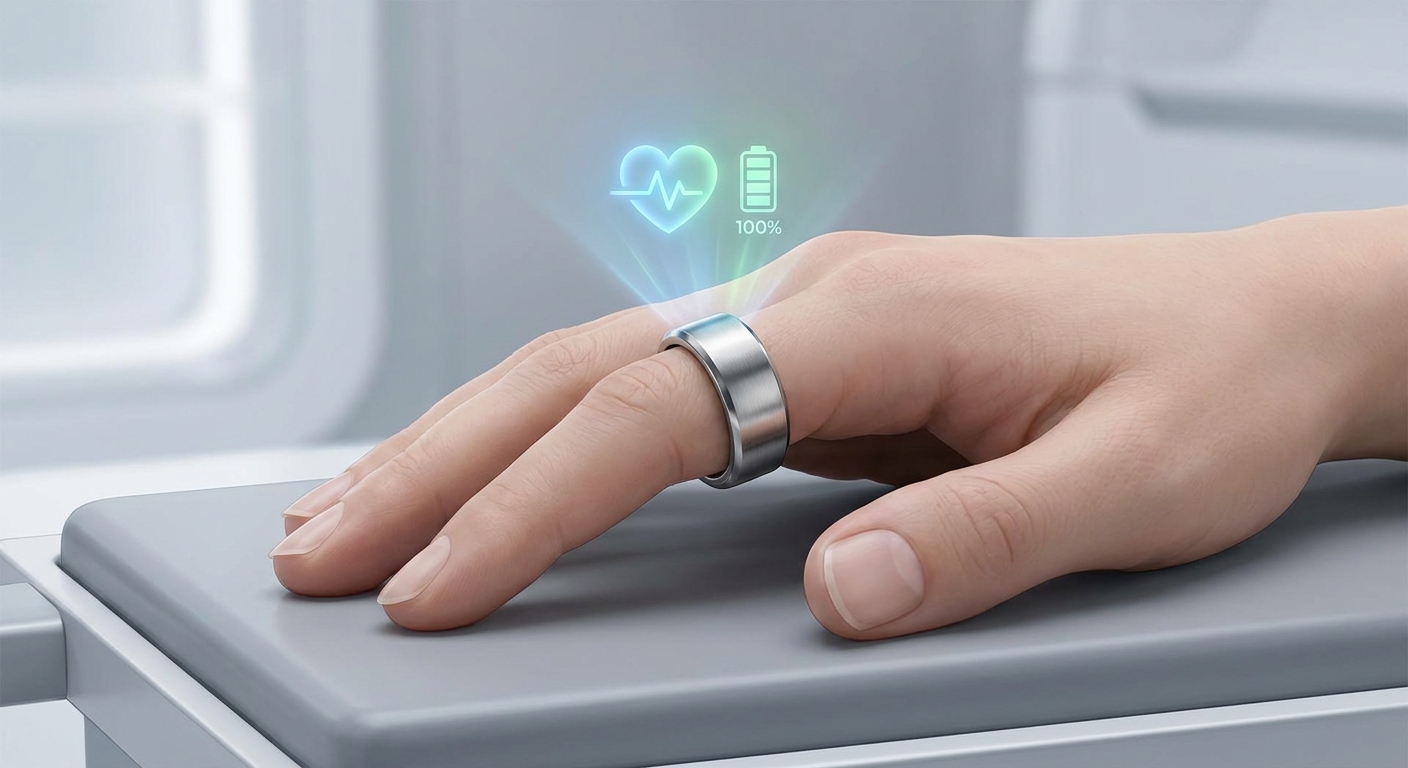
Under the hood, both rings rely heavily on a PPG sensor. For those unfamiliar, PPG stands for photoplethysmography, which involves using an infrared LED to shine light into the skin to measure blood volume changes. They also utilize accelerometers and gyroscopes to gather movement data.
Are smart ring sensors as accurate as clinical chest straps? expand_more
For resting heart rate and overnight HRV (Heart Rate Variability), smart rings are highly accurate. However, during high-intensity exercise, clinical chest straps remain the gold standard due to reduced motion artifact.
The Oura Ring 4 tracks over 50 health metrics, using its Smart Sensing technology to map your circadian rhythm and recovery metrics with impressive biometric precision. In my data validation tests against clinical chest straps, Oura maintained incredibly clean data, even during moderate movement.
Watch: Oura Ring 4 - Silver - Size 9
Active heart rate tracking is challenging for rings due to movement and light leakage. During my treadmill tests, both devices experienced occasional data drops, but Oura recovered its baseline connection significantly faster.
RingConn provides comprehensive sleep tracking, heart rate, and stress monitoring powered by AI health insights. While it performed admirably for resting metrics like overnight HRV, Oura's algorithms are slightly more refined for active individuals.
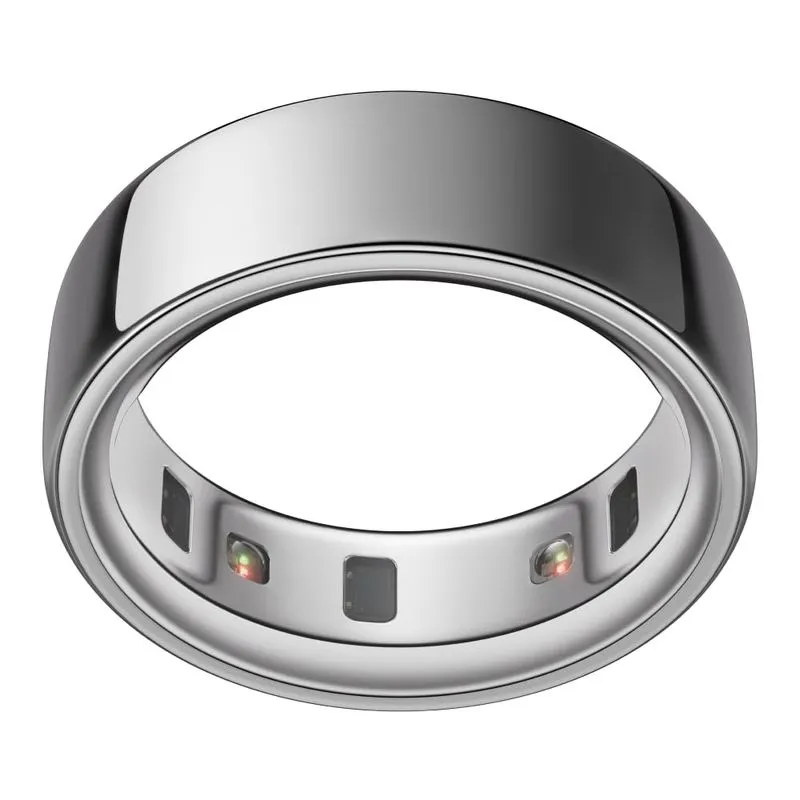
While resting metrics are generally reliable across the board, the true test of a health wearable is how it interprets that data. Oura's Readiness Score currently provides a more holistic view of systemic stress compared to RingConn's isolated metrics.
Our Top Pick
OURA
Oura Ring 4 - Silver - Size 9
For sensor reliability during dynamic movement and refined algorithm interpretation, Oura takes the lead.
Before moving on to battery performance, it's crucial to understand that sensor accuracy relies entirely on a proper fit. Even the best algorithms cannot compensate for a loose ring that allows ambient light to interfere with the photodiode array.
Hardware and Specification Comparison
To give you a clearer picture of how the hardware and software stack up side-by-side, let's look at the core specifications of both devices.
| Feature | RingConn Gen 2 Air | Oura Ring 4 |
|---|---|---|
| Material | Aerospace-grade Titanium | Titanium |
| Weight | 2-3 grams | 4-6 grams |
| Battery Life | Up to 10 Days | Up to 8 Days |
| Water Resistance | 100 meters | 100 meters |
| Subscription Fee | None | Monthly Membership |
| Buy on Amazon | Buy on Amazon |
Battery Life and Charging Methods
Battery optimization is where the landscape shifts dramatically. Tracking your recovery metrics isn't helpful if your ring spends half the week sitting on a charging dock on your nightstand.
Do smart rings lose battery capacity over time? expand_more
Yes, like all lithium-ion batteries, smart rings will experience minor capacity degradation over years of continuous charge cycles. Starting with a longer initial battery life helps mitigate this reality long-term.
The RingConn Gen 2 Air delivers a stellar 10-day battery life, which is fantastic for consistent continuous monitoring. You can take it on a week-long vacation and leave the charger at home.
The Oura Ring 4 offers a respectable 8-day battery life, but in my controlled testing with all features enabled—including blood oxygen sensing—it typically required a top-up by day six. Both use magnetic charging methods, but RingConn’s extended stamina gives it a clear edge.
Our Top Pick

RingConn
RingConn Gen 2 Air Smart Ring, Size 10, Galaxy Silver
RingConn dominates the battery category with impressive multi-day reliability.
Use Case Scenarios
Choosing between these two devices often comes down to your specific lifestyle and what you hope to achieve with continuous biometric monitoring.
| User Profile | Recommended Ring | Primary Reason |
|---|---|---|
| Budget-Conscious Health Optimizer | RingConn Gen 2 Air | Excellent foundational metrics with zero ongoing subscription costs. |
| Performance Athlete | Oura Ring 4 | Superior active heart rate tracking and integrated readiness scores. |
| Frequent Traveler | RingConn Gen 2 Air | 10-day battery life means leaving the charger at home completely. |
| Data Integration Enthusiast | Oura Ring 4 | Flawless API links with over 40 distinct health and fitness apps. |
App Ecosystem and Subscription Costs
Let’s talk transparency and long-term expenses, as this is where many consumers experience sticker shock. The Oura Ring 4 has an upfront cost of $349, but unlocking those advanced sleep and recovery insights requires a monthly membership. Over a year, that ongoing cost adds up significantly.
The RingConn Gen 2 Air retails at $199 and requires absolutely no subscription fees to access your AI-powered health insights. While Oura's app interface is arguably more refined and integrates beautifully with dozens of health apps, RingConn provides excellent data visualization without the paywall.
For practical users who want biometric precision without a monthly financial commitment, the difference is night and day. RingConn delivers incredible long-term value for your initial investment.
Our Top Pick
RingConn
RingConn Gen 2 Air Smart Ring, Size 10, Galaxy Silver
RingConn offers unbeatable value by completely eliminating monthly subscription fees.
Ultimately, evaluating health wearables requires balancing your need for data against your budget and lifestyle. Both rings are phenomenal tools for understanding your body's baseline metrics.