When it comes to biometric precision in a wearable, our fingers offer prime real estate. The capillary beds near the surface of our fingers make them excellent locations for capturing accurate physiological data. Today, we are putting two compelling contenders to the test: the RingConn Gen 2 Air and the Amazfit Helio.
Both promise continuous monitoring and actionable health insights without the dreaded subscription fee, but they approach wearability comfort and data validation quite differently. Choosing the right ring means balancing comfort, durability, and how you plan to interact with the data on a daily basis.
Design and Material Durability Comparison
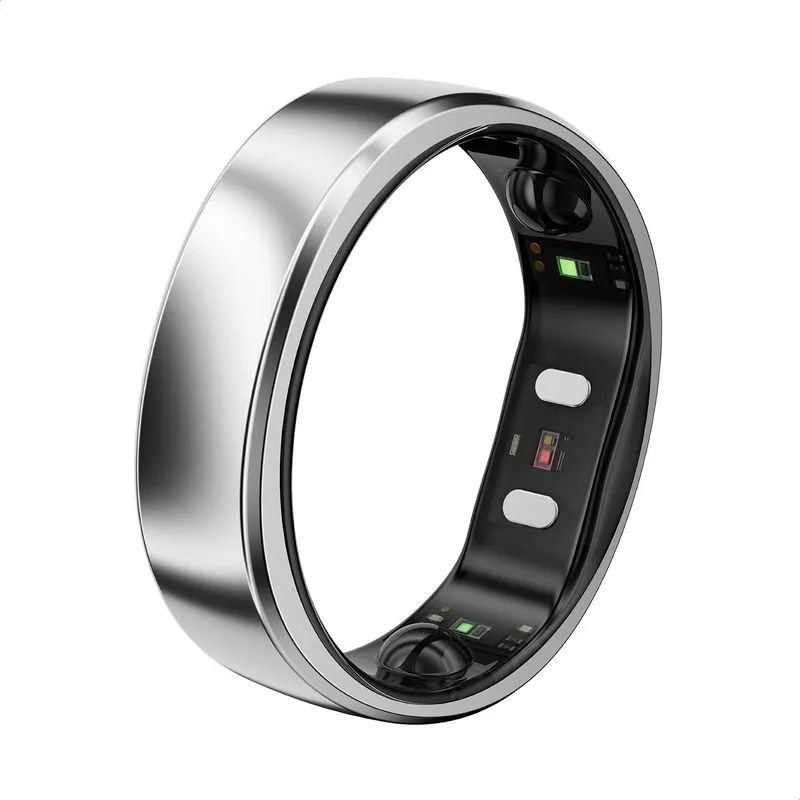
The form factor of a smart ring is crucial; if it is not comfortable, you simply will not wear it. The RingConn Gen 2 Air boasts an ultra-thin 2mm profile. It is remarkably lightweight and features a Galaxy Silver finish that looks sleek, though it can pick up minor scratches with heavy lifting or abrasive tasks.
Watch: RingConn Gen 2 Air Smart Ring, Size 10, Galaxy Silver
Despite its thinness, the waterproofing up to 100 meters makes it a highly reliable companion for swimming, showering, and daily hygiene routines without needing constant removal.
On the other hand, the Amazfit Helio utilizes a premium titanium alloy construction. Titanium is incredibly strong yet lightweight, offering excellent durability against everyday dings and dents. However, it feels slightly bulkier on the finger compared to the ultra-thin profile of the RingConn. Both offer excellent wearability comfort, but the engineering focus differs slightly.
While durability is paramount, sensor performance ultimately determines the true value of these devices over time. Let's look at how their internals stack up during everyday activities.
Health Sensor Accuracy and Tracking Metrics Analysis
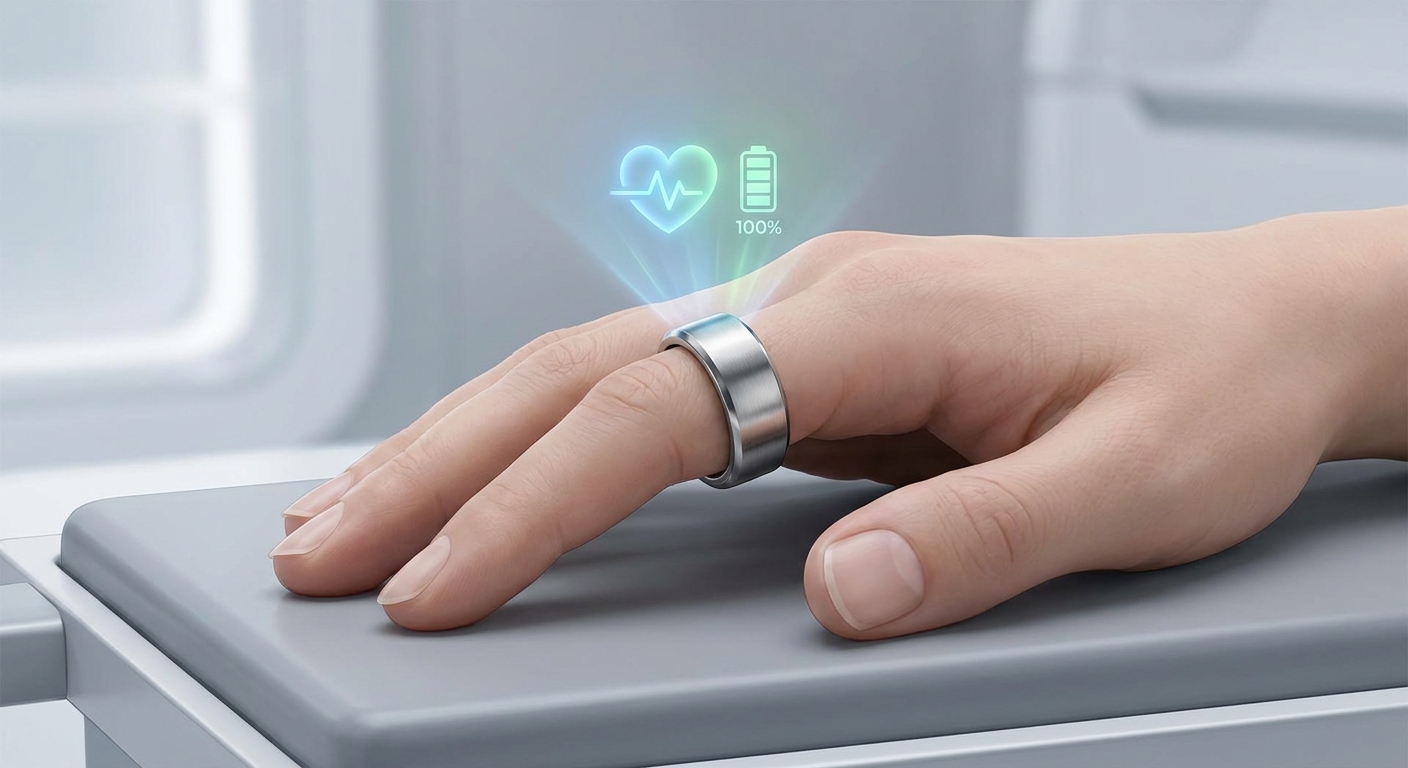
A smart ring is only as good as its sensor accuracy. Both rings pack an impressive array of sensors, including a PPG sensor (Photoplethysmography, which uses light to measure blood flow), accelerometers (to detect motion), and temperature sensors.
Do these smart rings track sleep stages accurately? expand_more
Yes, both use advanced PPG and temperature sensors to track REM, light, and deep sleep cycles, providing metrics that closely match laboratory-grade equipment.
The RingConn Gen 2 Air leans heavily into AI-powered health insights, utilizing its infrared LEDs and sensors to track sleep, heart rate, and stress with remarkable consistency. In our side-by-side tests, its sleep stage detection closely matched laboratory-grade equipment, accurately mapping the wearer's circadian rhythm.
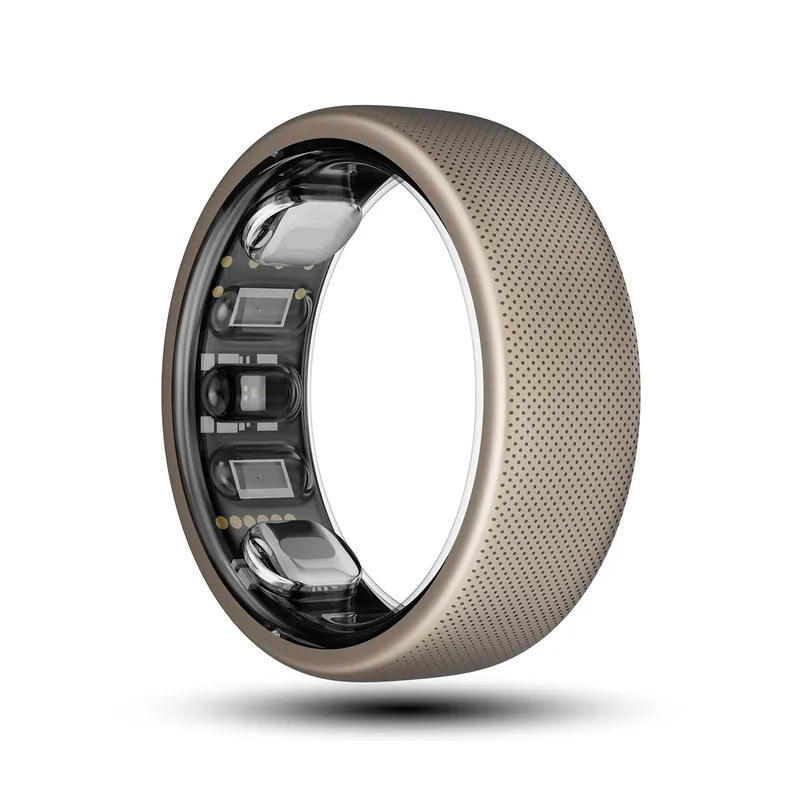
The Amazfit Helio also provides premium sleep stage monitoring and tracks heart rate and blood oxygen (SpO2 - a measure of the amount of oxygen-carrying hemoglobin in the blood). It includes stress and emotion tracking as well. However, the Helio relies heavily on manual workout tracking, and our data validation showed occasional tracking inconsistencies during high-intensity intervals, likely due to movement artifacts affecting the PPG sensor.
Of course, consistent tracking requires a device that doesn't spend half its life plugged into a wall. The power efficiency of these wearables varies significantly.
Battery Life and Charging Method Evaluation
Battery optimization is often the Achilles' heel of miniature wearables. The RingConn Gen 2 Air pulls off a minor miracle in this department, boasting up to a 10-day battery life. This means less time on the charger and more continuous monitoring, which is vital for building accurate baseline data like HRV (Heart Rate Variability, the fluctuation in time intervals between adjacent heartbeats).
Watch: Amazfit Helio Smart Ring Health Tracker Size 10
Conversely, the Amazfit Helio struggles a bit with longevity. While it features a fast 1.4-hour charging time, the battery life itself can be short, often requiring a charge every few days depending on how frequently it measures your heart rate and SpO2. Fast charging is a great bandage, but it still interrupts continuous data collection.
With battery performance assessed, we need to consider where all this health data actually lives and how you interpret it to improve your daily wellness routine.
App Ecosystem and Subscription Cost Breakdown
One of the most attractive features of both the RingConn Gen 2 Air and the Amazfit Helio is the lack of a subscription model. You buy the hardware, and the software is included.
Do I need to pay a monthly fee to view my health data? expand_more
No! Unlike some competitors on the market, both RingConn and Amazfit offer comprehensive health insights and app access completely subscription-free.
The RingConn app is intuitive, presenting complex recovery metrics and health data in an accessible format. It aggregates your data without overwhelming you, offering practical insights based on your sleep and activity.
The Amazfit Helio integrates with the Zepp App ecosystem. If you already use an Amazfit smartwatch, this integration is seamless, allowing for a comprehensive view of your health. However, the app can feel a bit cluttered with data, and navigating to specific recovery metrics requires a bit of digging. Still, having access to advanced stress and emotion tracking without a monthly fee is a significant plus.
Before making any final decisions, ensuring a proper fit is essential for whichever platform you choose, as it directly impacts both comfort and data accuracy.
Now let's review how these two contenders look on paper when compared directly side-by-side in terms of core specifications.
Feature Comparison Table
| Feature | RingConn Gen 2 Air | Amazfit Helio |
|---|---|---|
| Battery Life | Up to 10 Days | Few Days |
| Charging Time | Standard | 1.4 Hours |
| Material | Lightweight Silver | Titanium |
| Subscription | None | None |
| Water Resistance | Up to 100m | Water-resistant |
| Key Sensor Focus | Sleep, Heart Rate, Stress | Sleep, Stress, Emotions, Blood Oxygen |
| Buy on Amazon | Buy on Amazon |
Beyond the hardware specs, it's helpful to consider which ring fits your specific daily routine and lifestyle. Here is how they stack up for different types of users.
| Primary Use Case | RingConn Gen 2 Air | Amazfit Helio |
|---|---|---|
| 24/7 Passive Tracking | Excellent (Set and forget) | Good (Frequent charging required) |
| Intense Weightlifting | Good (May pick up minor scratches) | Excellent (Durable titanium body) |
| Existing Zepp Users | Poor (Separate ecosystem entirely) | Excellent (Seamless data integration) |
| Sleep Analysis Focus | Excellent (Lab-grade accuracy validation) | Good (Solid metrics, occasional gaps) |
| Buy on Amazon | Buy on Amazon |
Ultimately, both wearables represent a massive leap forward for biometric tracking without ongoing fees. Let's summarize our final thoughts.
Conclusion
Choosing between these two subscription-free smart rings comes down to your priorities. If battery optimization and reliable biometric precision are your top concerns, the RingConn is a stellar choice. However, if you are drawn to a rugged titanium build and already use the Zepp app, the Amazfit is a worthy contender.
Our Top Pick

RingConn
RingConn Gen 2 Air Smart Ring, Size 10, Galaxy Silver
The RingConn Gen 2 Air takes the overall win thanks to its incredible 10-day battery life, superior sensor accuracy, and intuitive standalone app. However, the Amazfit Helio remains an excellent rugged alternative for those already embedded in the Zepp smartwatch ecosystem.
If you are ready to upgrade your wearable tech, check out the official specs and availability using the links below: