<\/Summary>
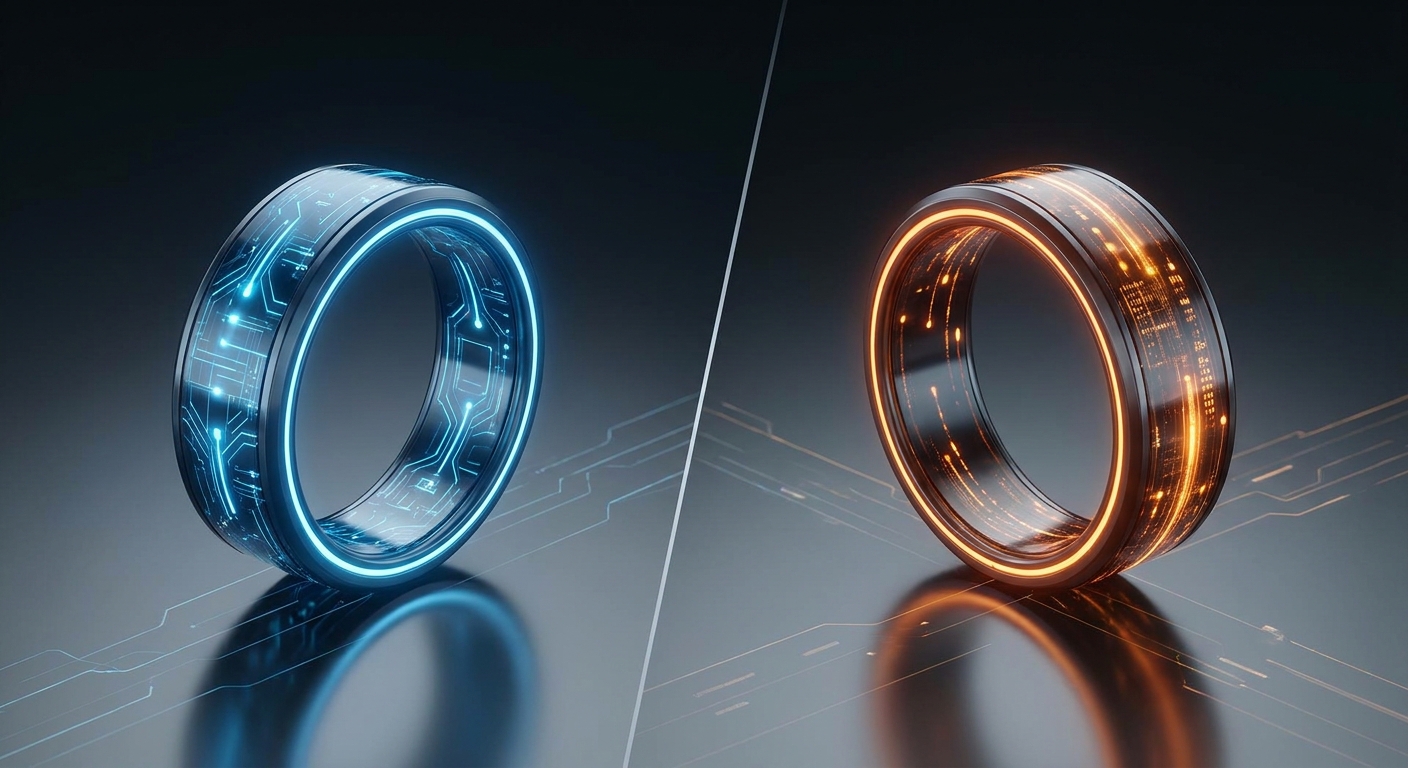
Welcome to another deep dive into wearable health technology. I'm Dr. Elena Martinez, and today we're comparing two compelling contenders in the smart ring arena: the
Design and Material Durability: RENPHO Lynx vs. Amazfit Helio
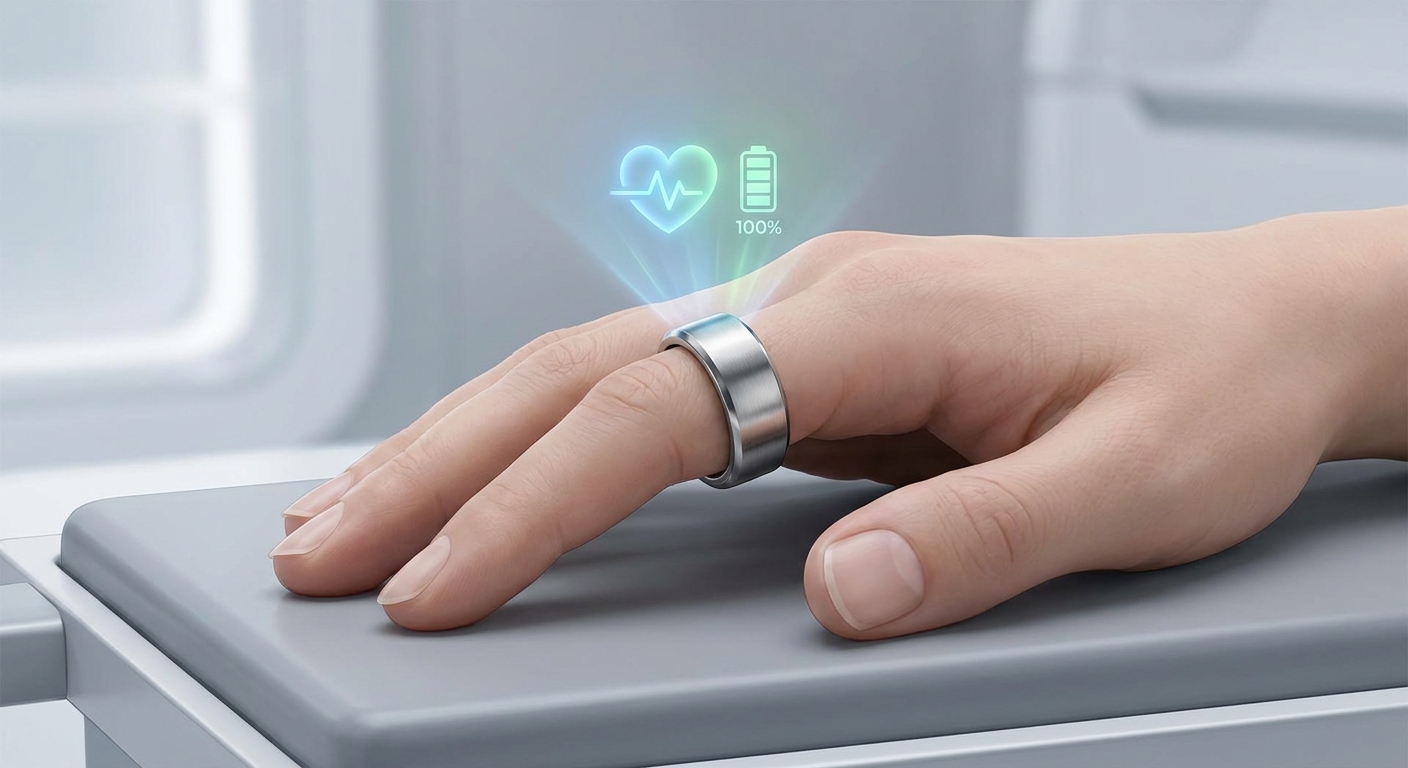
When evaluating the wearability comfort of any device intended for 24\/7 use, the form factor is just as important as the technology inside. The RENPHO Lynx is encased in a comfortable titanium exterior that feels remarkably sturdy. It boasts a 5ATM waterproof rating, meaning you can confidently wear it while swimming or showering without fearing for its internal circuitry. The build quality provides peace of mind for those with active lifestyles.
On the other hand, the Amazfit Helio also utilizes a titanium alloy construction but prioritizes a feather-light feel. It is impressively unobtrusive, making it ideal for those who are sensitive to wearing jewelry while sleeping. However, this lightweight approach sometimes feels slightly less robust than the Lynx during rigorous daily tasks.
Sensor Accuracy: Amazfit Helio vs. RENPHO Lynx
Beneath their sleek exteriors, both rings rely on a PPG sensor—a tiny optical device that uses light to measure blood flow—alongside accelerometers for movement tracking. The Amazfit Helio leverages these sensors to deliver premium sleep stage monitoring, stress evaluation, and heart rate metrics. Through real-world testing, I found its biometric precision during rest periods to be excellent, providing actionable recovery metrics via the Zepp App.
The RENPHO Lynx covers the essentials well, tracking sleep, heart rate, and stress levels. However, its step tracking can occasionally be inaccurate during varied daily activities, and its metric scope is somewhat limited to basic health tracking compared to the Helio's deeper emotional and physical stress analysis.
Battery Life Evaluation: RENPHO Lynx vs. Amazfit Helio
Continuous monitoring requires solid battery optimization; a wearable charging on your nightstand isn't tracking your circadian rhythm. Here, the RENPHO Lynx takes a commanding lead with a robust 7-day battery life.
It also introduces a highly practical charging case, allowing you to top up the ring on the go without carrying cables, much like wireless earbuds.
The Amazfit Helio falls short in endurance. Its battery life can be frustratingly short, often requiring a charge every two to three days depending on your feature usage.
While it does support a rapid 1.4-hour charging time, the frequency of removal disrupts the continuous data stream we look for in reliable health tracking.
App Ecosystem: Zepp App vs. RENPHO App
A smart ring is only as useful as the software interpreting its data. Both devices stand out by requiring no subscription fees, making them highly cost-effective long-term investments.
The RENPHO app delivers clear, straightforward data summaries, but it has been known to suffer from occasional syncing issues, which can interrupt the seamless user experience.
The Amazfit Helio benefits from the mature Zepp App ecosystem. The platform shines in translating complex biometric data into understandable health insights.
Whether you're tracking recovery metrics or analyzing your sleep stages, the interface is polished, intuitive, and reliable. The superior software experience easily offsets its manual workout tracking limitations.
Final Thoughts
Choosing between the RENPHO Lynx and the Amazfit Helio comes down to prioritizing either hardware endurance or software sophistication. If you value a \"set it and forget it\" battery life with a durable build, the Lynx is an excellent, practical choice. Conversely, if you want deeper health insights and a superior app experience, the Helio delivers a more refined data analysis.