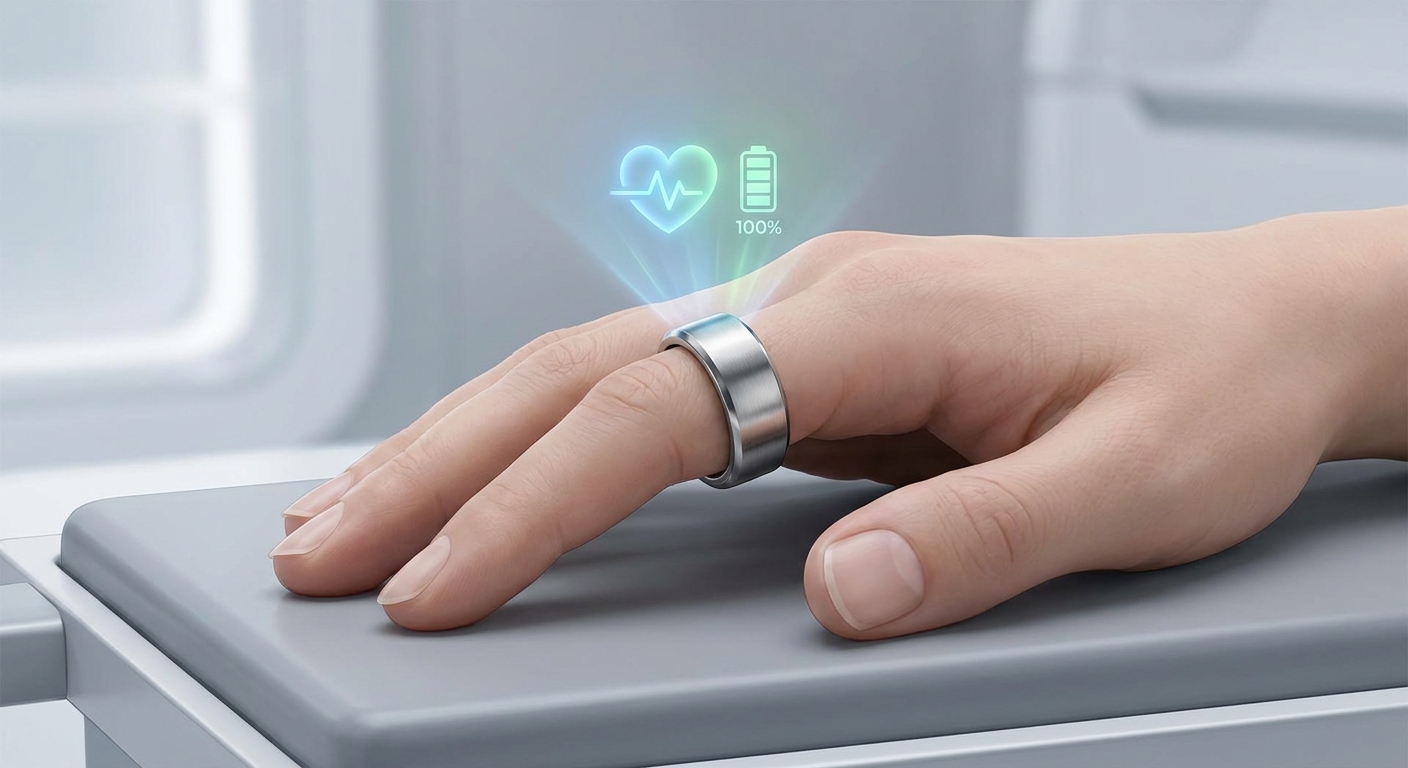

As a biomedical engineer who has spent years validating wearable tech against clinical standards, I am often asked which devices offer the most practical health insights without overwhelming the user. RENPHO has quietly carved out an interesting niche in this space. Known primarily for their smart scales and connected wellness devices, their expansion into finger-based continuous monitoring brings a fresh perspective to biometric precision.
Today, we are taking an in-depth look at their smart ring portfolio to see if it stands up to rigorous daily testing and real-world usage conditions.
Watch: RENPHO Lynx Smart Ring 9 Size Black
When evaluating the brand's ecosystem, the standout feature is the centralization of health insights. The companion app acts as a robust dashboard that pulls data seamlessly from multiple devices, should you own their smart scales or blood pressure monitors.
For the smart ring specifically, it elegantly displays recovery metrics, sleep stages, and daily activity. You can
to see exactly how these metrics are tracked and presented.
Unlike competitors that lock your own data behind a paywall, this ecosystem operates on a highly transparent, open-access model. Furthermore, they have a solid track record of delivering firmware updates that refine sensor accuracy over time, rather than abandoning older products.
This transparency extends to the total cost of ownership, which is a major pain point for consumers migrating from other popular wearable platforms.
Connecting the ring to your smartphone is a straightforward process, ensuring that users of all technical skill levels can easily set up their new device.
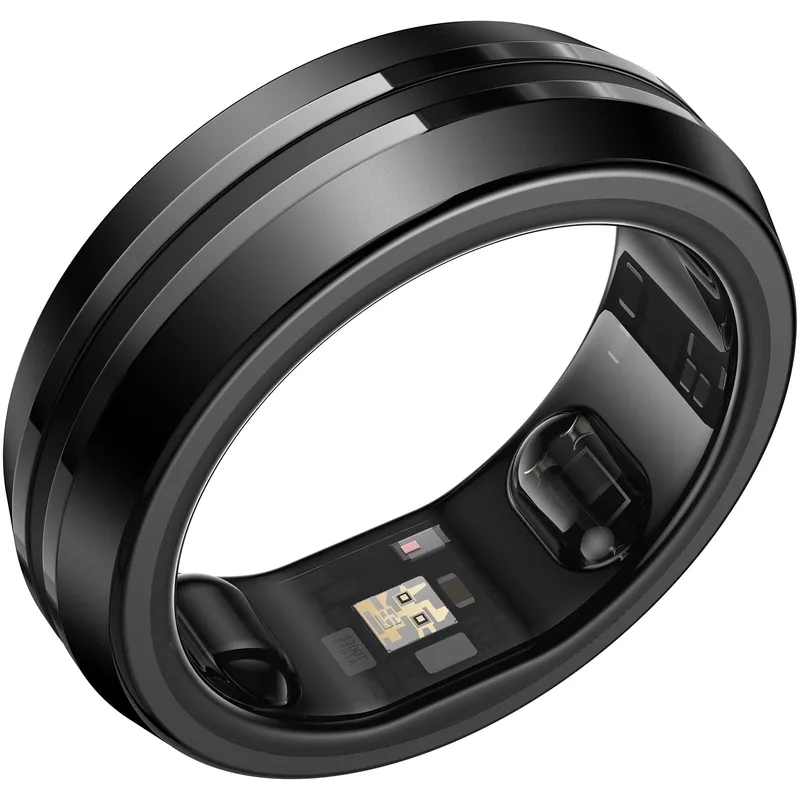
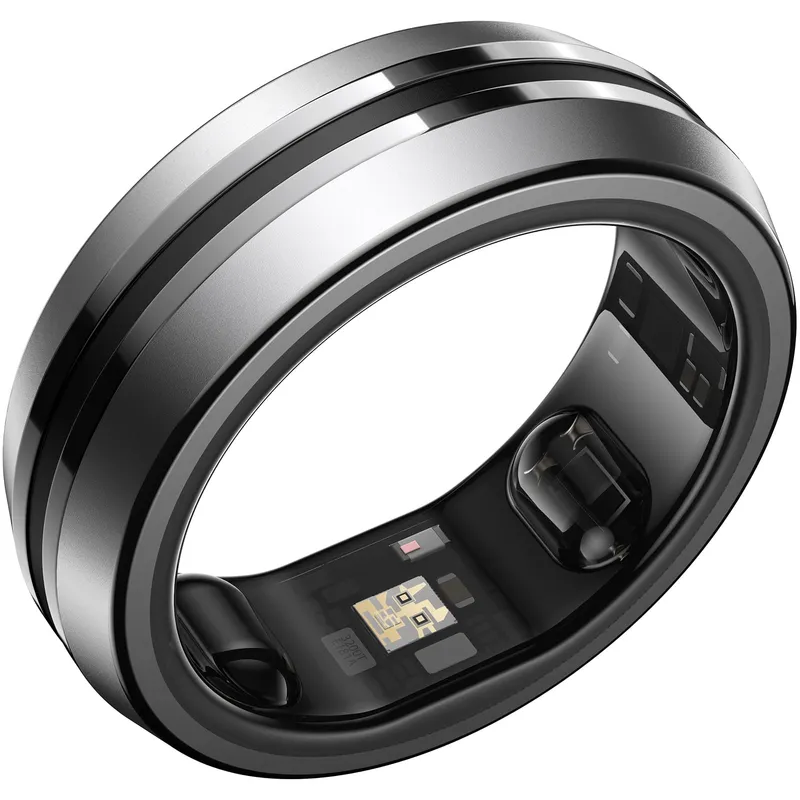
The core of their offering is the flagship RENPHO Lynx Smart Ring, available in understated finishes like Black and Silver. From a wearability comfort standpoint, it utilizes a lightweight titanium exterior.
It also boasts 5ATM water resistance, making it highly versatile for everyday life, whether you're washing dishes or hitting the pool.
Watch: RENPHO Lynx Smart Ring Size 9 Silver
What impresses me most from an engineering perspective is the battery optimization—achieving up to 7 days on a single charge while continuously sampling heart rate and sleep stages. You can
to explore its design details.
The ring also includes a convenient portable charging case, a thoughtful form factor choice that ensures you aren't caught with a dead battery during travel.
Having a device that can withstand water exposure is crucial for uninterrupted data collection, as taking the ring off frequently leads to gaps in your health history.
The titanium build ensures durability against moisture and daily wear, giving you peace of mind throughout your daily routine.
Can I wear the ring in the shower or while swimming? expand_more
Yes, the ring features a 5ATM waterproof rating, making it completely safe for showering, surface swimming, and hand washing.
Because smart rings require a flush fit for optimal sensor accuracy, the brand highly encourages the use of the RENPHO Lynx Smart Ring-Sizing Kit before finalizing your purchase of the main ring. The kit conveniently covers sizes 6 through 13.
Watch: RENPHO Lynx Smart Ring-Sizing Kit, 6-13
Wearing a plastic prototype for a full 24 hours allows you to account for natural finger swelling that occurs throughout your circadian rhythm. You can
to start the fitting process.
While it is an extra initial step, this dramatically improves data validation and ensures the ring won't rotate out of place during rigorous activity.
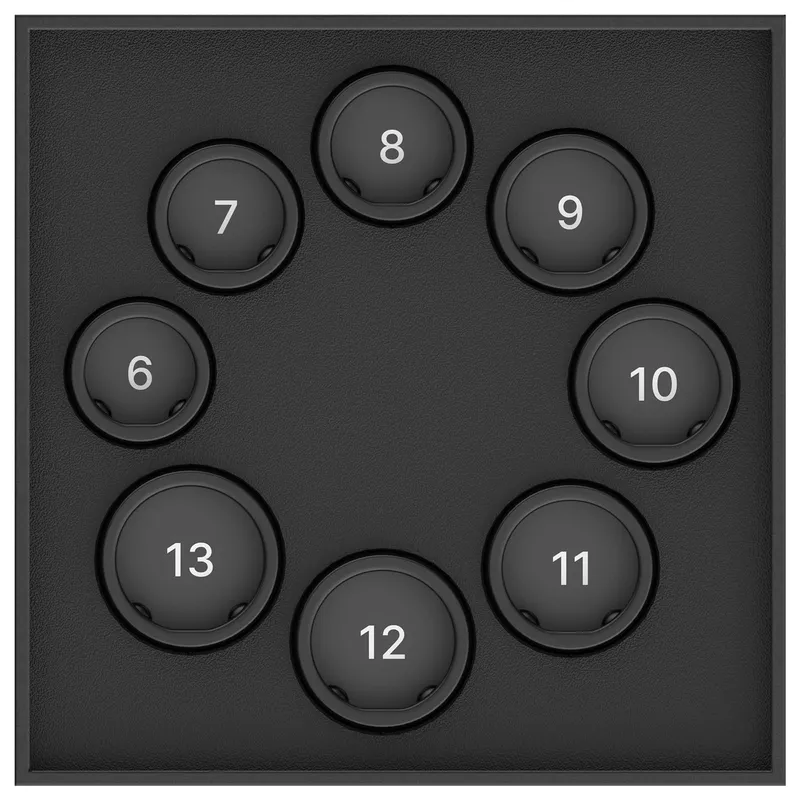
Proper sizing cannot be overstated when it comes to photoplethysmography (PPG) sensors. A loose ring allows ambient light to interfere with the signal, while a ring that is too tight can restrict blood flow and alter the readings.
Taking the time to evaluate the fit during both active and resting periods will yield the best long-term results.
Internally, the hardware utilizes an advanced array of sensors, combining optical heart rate tracking with a highly sensitive gyroscope and accelerometer to map out your sleep architecture.
The biometric precision here is highly competitive for the sub-$200 price point, though users should understand the limitations of current miniaturized technology.
Does the ring track blood pressure or ECG? expand_more
No, it focuses on core metrics like heart rate, sleep architecture, and SpO2. Current smart ring form factors cannot accurately measure blood pressure without an inflatable cuff, and this model lacks the electrical sensors required for an ECG.
By capturing continuous blood oxygen levels (SpO2) and estimating heart rate variability (HRV), the ring delivers actionable health insights rather than just raw numbers.
While the step tracking can occasionally register false positives during sedentary arm movements—a common limitation of finger-worn accelerometers—the core physiological metrics remain highly reliable.
| Feature | RENPHO Lynx Smart Ring | Typical Competitors |
|---|---|---|
| Subscription | None ($0/month) | $5.99 - $9.99/month |
| Battery Life | Up to 7 Days | 4 - 6 Days |
| Charging Method | Portable Charging Case | Standard USB Puck |
| Water Resistance | 5ATM (Swim-proof) | Variable (often 100m) |
| Materials | Titanium | Titanium or Plastic |
| Buy on Amazon |
It's a practical choice for users who want continuous monitoring without the bulk of a wrist-worn tracker. The brand also addresses data privacy by allowing users comprehensive control over what metrics are shared to cloud servers.
Adding this layer of trustworthiness to the platform ensures that users feel secure in digitizing their most personal physiological data.
Our Top Pick

RENPHO
RENPHO Lynx Smart Ring 9 Size Black
The RENPHO Lynx offers a compelling, practical entry into wearable health technology for those prioritizing battery life and an ecosystem completely devoid of hidden fees.
As the wearable market continues to evolve, finding a balance between robust features and reasonable pricing is becoming increasingly rare. This device manages to strike that balance beautifully.
For anyone looking to step away from wrist-based trackers, it proves that finger-based biometrics are both accessible and reliable.