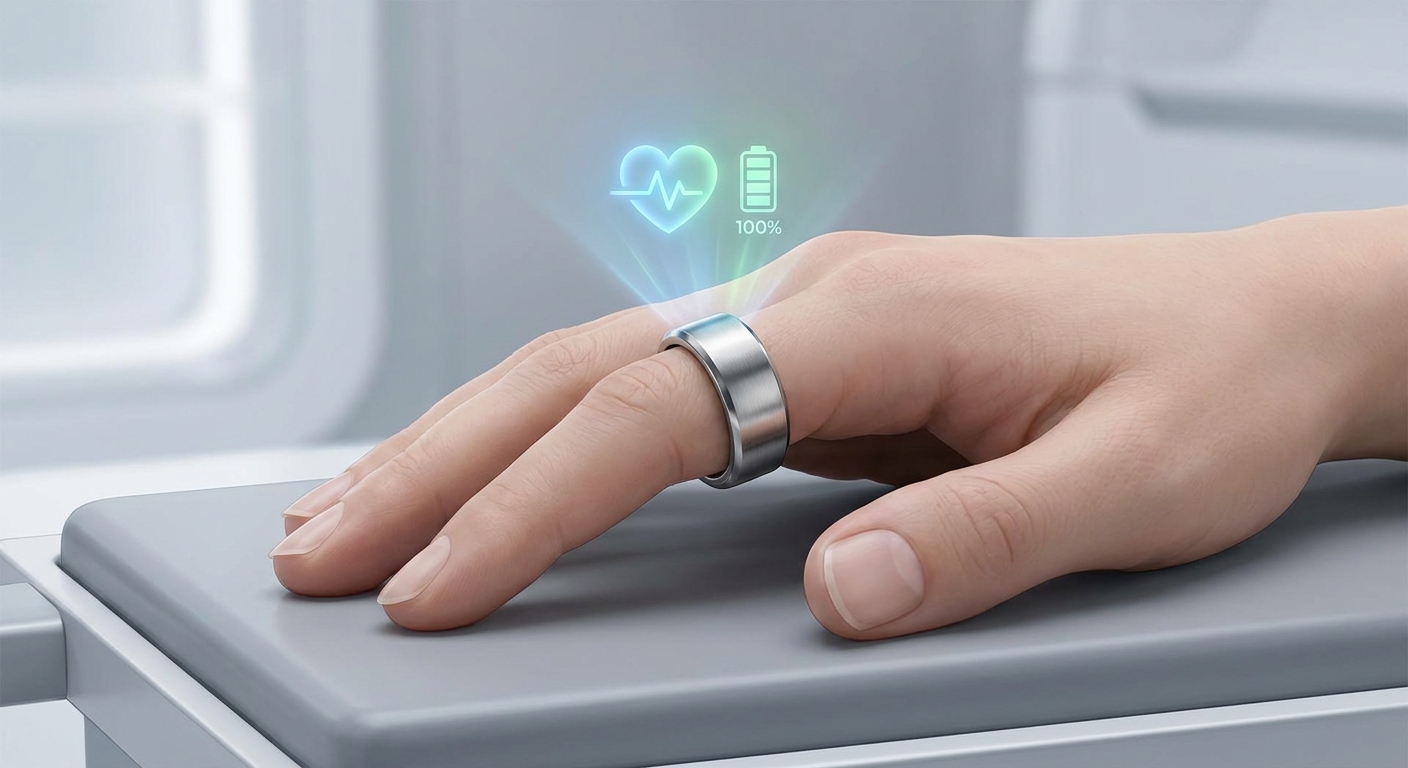

As a biomedical engineer with 8 years of experience testing wearable health technology, I often get asked which smart ring provides the most accurate sensor data without sacrificing comfort. Today, we're putting two compelling contenders head-to-head: the Oura Ring 4 Ceramic and the VERTU META Ring.
While Oura has been a staple in biometric precision in the clinical space, VERTU brings a highly ambitious, subscription-free AI approach to the consumer table. Let's dive into their performance across key categories, evaluating their form factor, continuous monitoring, and practical health insights.
Before diving into the intricate data capabilities, we have to look at the physical hardware. A medical wearable is useless if it is too uncomfortable to wear continuously.
Design and Material Durability Comparison
Both rings offer a distinct form factor that speaks to their differing design philosophies. The Oura Ring 4 Ceramic features a sleek ceramic exterior with a titanium core. In my real-world testing, it proved exceptionally durable, though ceramic can occasionally leave metal transfer marks if scraped against other metal objects like door handles or barbells.
Watch: Oura Ring 4 Ceramic - Petal Size 8
When evaluating continuous wear devices, skin-friendly materials are essential to avoid contact dermatitis. Oura's seamless inner molding prevents moisture from trapping against the skin, making it incredibly comfortable for 24/7 wearability. It practically disappears on the finger after a few hours of use, which is a critical feature for a device primarily meant to track your sleep.
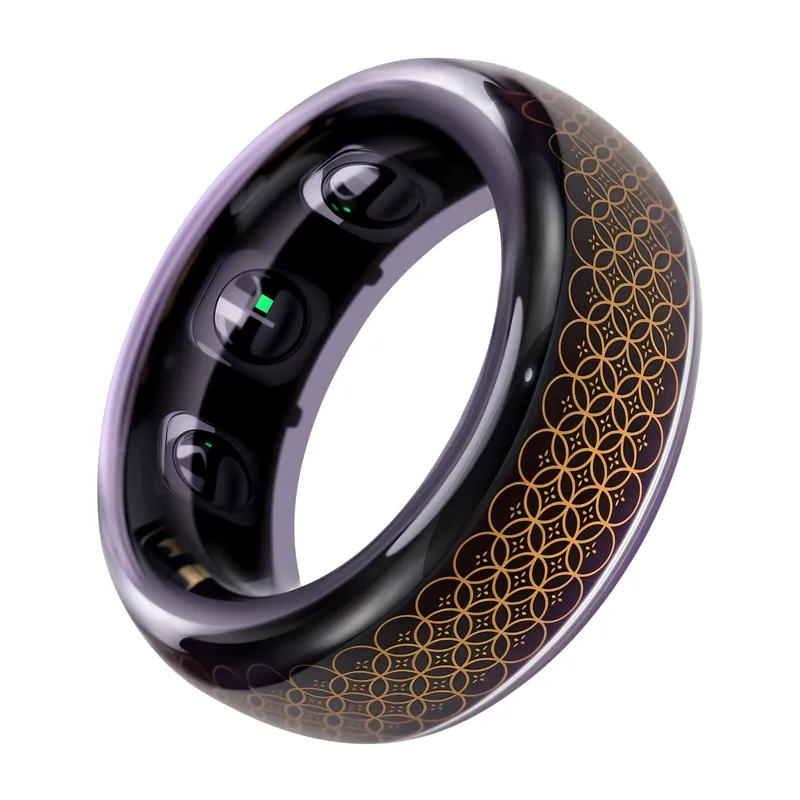
The VERTU META Ring, tested in the stunning Gold Purple finish, presents a decidedly luxury aesthetic. It feels more like a piece of high-end jewelry than a biometric tracking device, which heavily appeals to users who want to hide their technology in plain sight.
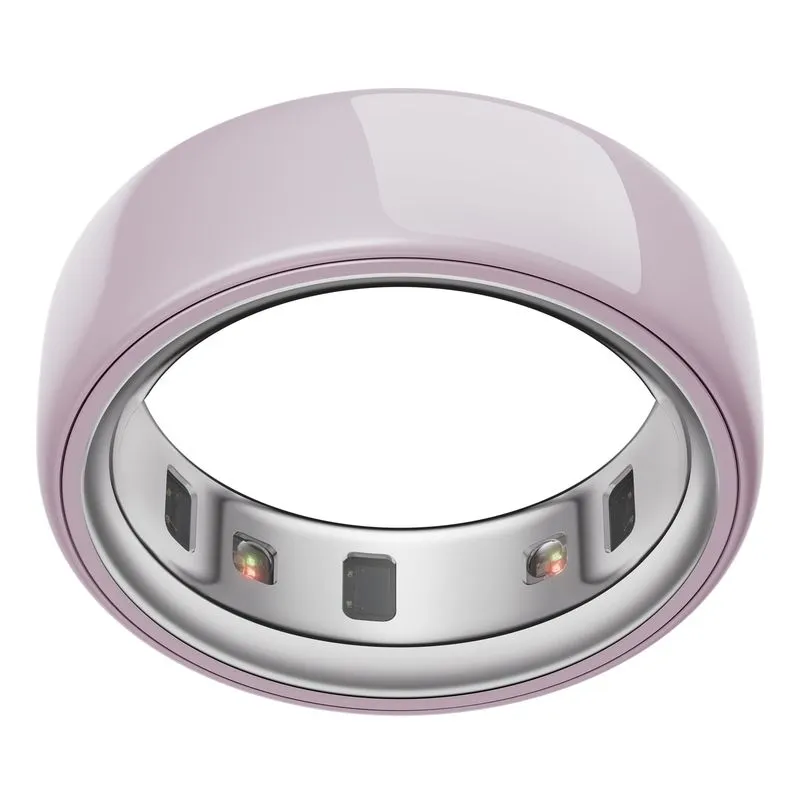
Like its competitor, the VERTU META Ring is waterproof up to 5ATM, making it suitable for swimming, showering, and vigorous hand-washing. However, as an engineer, some durability concerns surround the VERTU's outer coating over time compared to Oura's robust, scratch-resistant ceramic build. The luxury finishes may require slightly more careful handling in rugged environments.
To explore the exact dimensions and material specifications of the Oura, you can
.
Our Top Pick

OURA
Oura Ring 4 Ceramic - Petal Size 8
The Oura Ring 4 Ceramic wins for its superior durability and proven 24/7 skin comfort, which are vital for a biomedical monitoring device.
Moving beyond aesthetics, we must examine what happens under the hood. The raw data capture capabilities of these wearables are where the true battle lies.
Health Sensor Accuracy and Tracking Metrics Analysis
This is where the rubber meets the road. Both rings utilize an array of sensors, including PPG sensors (which use infrared LEDs to measure blood volume changes) to track heart rate and heart rate variability (HRV). Photoplethysmography is highly sensitive to ambient light and motion artifacts, so the physical fit and algorithmic processing are paramount.
How do smart rings measure your heart rate accurately? expand_more
They use PPG (Photoplethysmography) sensors that flash tiny infrared and green LEDs into your skin. The sensors measure the amount of light bouncing back, which fluctuates based on the volume of blood pulsing through your capillaries with each heartbeat.
The Oura Ring tracks over 50 health metrics, offering continuous monitoring of circadian rhythm, sleep stages, and recovery metrics. The sensor accuracy here is undeniably top-tier for a finger-worn device, validating data with consistent precision against clinical standard tests.
Watch: VERTU META Ring, Size 7 (Gold Purple)
Conversely, the VERTU META Ring focuses heavily on AI-powered health tracking. It ambitiously claims to offer blood sugar monitoring insights alongside standard heart rate and sleep quality data. Delivering these multiple health metrics instantly through a sleek interface is certainly impressive from a consumer tech standpoint.
However, as a biomedical professional, I must note that non-invasive blood sugar monitoring via optical sensors is still an evolving science. While the VERTU META Ring uses advanced AI algorithms to estimate these values, it may not yet match the clinical-grade reliability of Oura's extensively peer-reviewed sleep and recovery algorithms.
Both rings also track temperature trends, which is incredibly useful for predicting illness and monitoring menstrual cycles. Oura's temperature sensors have been extensively validated in third-party research, giving them a distinct advantage in the clinical community.
For a deeper dive into how VERTU utilizes machine learning, you can
.
Our Top Pick
OURA
Oura Ring 4 Ceramic - Petal Size 8
The Oura Ring 4 Ceramic takes this category due to its highly validated sensor accuracy and clinically proven algorithmic reliability.
To help visualize how these two smart rings stack up from a technical standpoint, I've compiled their core specifications into a side-by-side comparison.
| Feature | Oura Ring 4 Ceramic | VERTU META Ring |
|---|---|---|
| Materials | Ceramic exterior, titanium inner core | High-end alloys with luxury aesthetic finishes |
| Key Sensors | PPG, Temperature, 3D Accelerometer | PPG, optical sensors for AI blood sugar trends |
| Water Resistance | 5ATM (50 meters) | 5ATM (50 meters) |
| Core Focus | Sleep, Recovery, Readiness, Illness Prediction | Instant AI Health Insights, Lifestyle Tracking |
| Battery Life | 5-8 Days (Consistent) | Variable (Depends heavily on active AI features) |
| Buy on Amazon | Buy on Amazon |
With the specifications laid out, another critical factor for wearable medical tech is power management. Continuous monitoring is useless if the device spends half its life on a charging puck.
Battery Life and Charging Method Evaluation
Battery optimization is crucial for uninterrupted data collection. The Oura Ring shines brightly here with an impressive 5 to 8-day battery life, depending on whether features like continuous blood oxygen (SpO2) monitoring are activated during the night.
When it does come time to charge, Oura uses a proprietary inductive charging dock that completes a full power cycle in roughly 80 minutes. The predictable battery drain makes it incredibly easy to incorporate charging into a daily routine, such as leaving it on the dock while taking a shower.
The VERTU META Ring's exact battery life can vary dramatically based on the AI features engaged. In practice, if you have all the intensive monitoring features active, it usually requires much more frequent charging. Both use inductive charging, but Oura's consistent power management gives it a massive edge.
Our Top Pick
OURA
Oura Ring 4 Ceramic - Petal Size 8
The Oura Ring 4 Ceramic wins for its superior power management and predictable battery life, drastically reducing battery anxiety.
While hardware is the foundation, the software ecosystem ultimately dictates how effectively you can interpret, understand, and utilize your health data.
App Ecosystem and Subscription Cost Breakdown
This category presents the most significant divergence between our two contenders. The Oura Ring requires an ongoing monthly membership fee to access its deep health insights, personalized daily guidance, and 40+ app sync capabilities (including Apple Health and Strava).
Can I use the Oura Ring without paying the monthly subscription? expand_more
Yes, but the functionality is severely limited. Without the subscription, you will only see three basic daily scores (Readiness, Sleep, and Activity) without any of the detailed breakdowns, trend graphs, or personalized insights.
While the initial investment for Oura is $499, the subscription ensures continuous software updates, algorithm refinements, and expanding feature sets. It provides an intuitive data visualization interface that remains the undisputed gold standard for actionable recovery guidance in the industry.
Conversely, the VERTU META Ring costs $399 upfront and boasts a highly attractive 'No Subscription Required' model. The app delivers personalized wellness insights instantly using its proprietary AI engine.
This makes the VERTU highly appealing for those averse to recurring costs. You get access to the full suite of insights and AI tracking without worrying about a monthly credit card charge, which adds significant long-term value to the device.
Our Top Pick

VERTU
VERTU META Ring, Size 7 (Gold Purple)
The VERTU META Ring claims the win here for delivering a comprehensive, AI-powered app experience without the burden of ongoing subscription fees.
Deciding between these two exceptional devices ultimately comes down to your specific lifestyle needs, aesthetic preferences, and long-term budget. Here is a breakdown of who should choose which device based on daily use cases.
| Use Case Persona | Oura Ring 4 Ceramic | VERTU META Ring |
|---|---|---|
| Biohackers & Data Nerds | Excellent - Validated clinical accuracy | Good - Innovative but evolving AI metrics |
| Fashion-Conscious Users | Good - Sleek, minimalist design | Excellent - Stunning luxury jewelry aesthetic |
| Budget-Conscious (Long Term) | Poor - Requires ongoing monthly fee | Excellent - Zero subscription fees required |
| Athletes Tracking Recovery | Excellent - Deep readiness and sleep metrics | Good - Basic AI insights and lifestyle tracking |
| Buy on Amazon | Buy on Amazon |
As wearable technology continues to evolve, the gap between medical-grade accuracy and consumer convenience is rapidly closing.
Conclusion
Both rings offer compelling health insights, but they cater to very different audiences. As a biomedical engineer, my recommendation leans heavily toward data integrity. The Oura Ring 4 Ceramic is the undeniable choice for data-driven individuals willing to pay a premium for established, peer-reviewed accuracy and seamless comfort.
However, the VERTU META Ring stands as a remarkably strong alternative. It pushes the boundaries of what a smart ring can do with onboard AI and caters perfectly to users wanting a high-end, luxury aesthetic without the frustration of monthly subscription fees.