Milavan Smart Ring Portfolio Review: Budget-Friendly Biometrics?
Smart rings have rapidly evolved from niche novelties to serious health tools, but the barrier to entry often remains high—both in upfront hardware costs and recurring subscription fees. Milavan has entered this crowded space with a clear proposition: accessible health tracking without the monthly paywall. As a biomedical engineer who has tested everything from clinical-grade pulse oximeters to consumer fitness trackers, I approach budget-friendly options with healthy skepticism. Do corners cut in price equal corners cut in data validity?
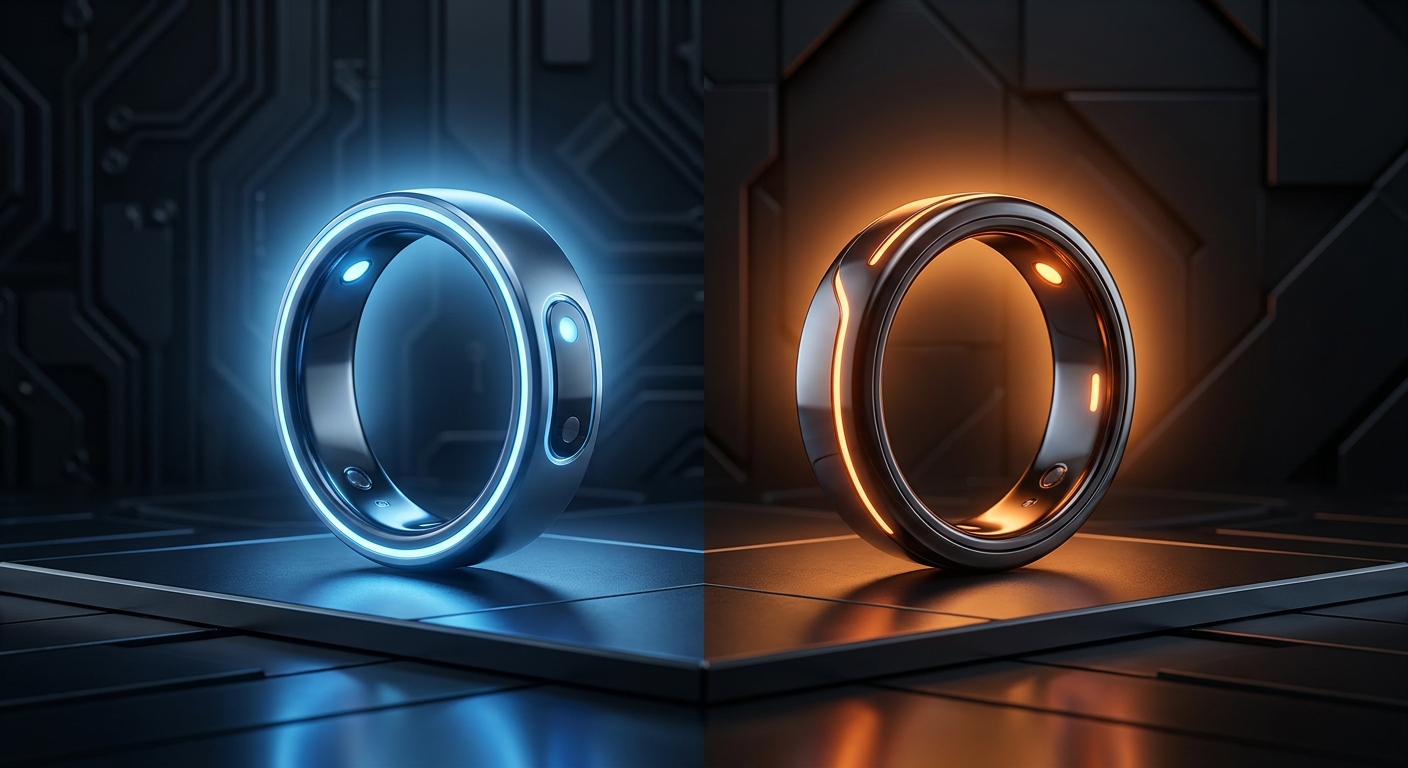
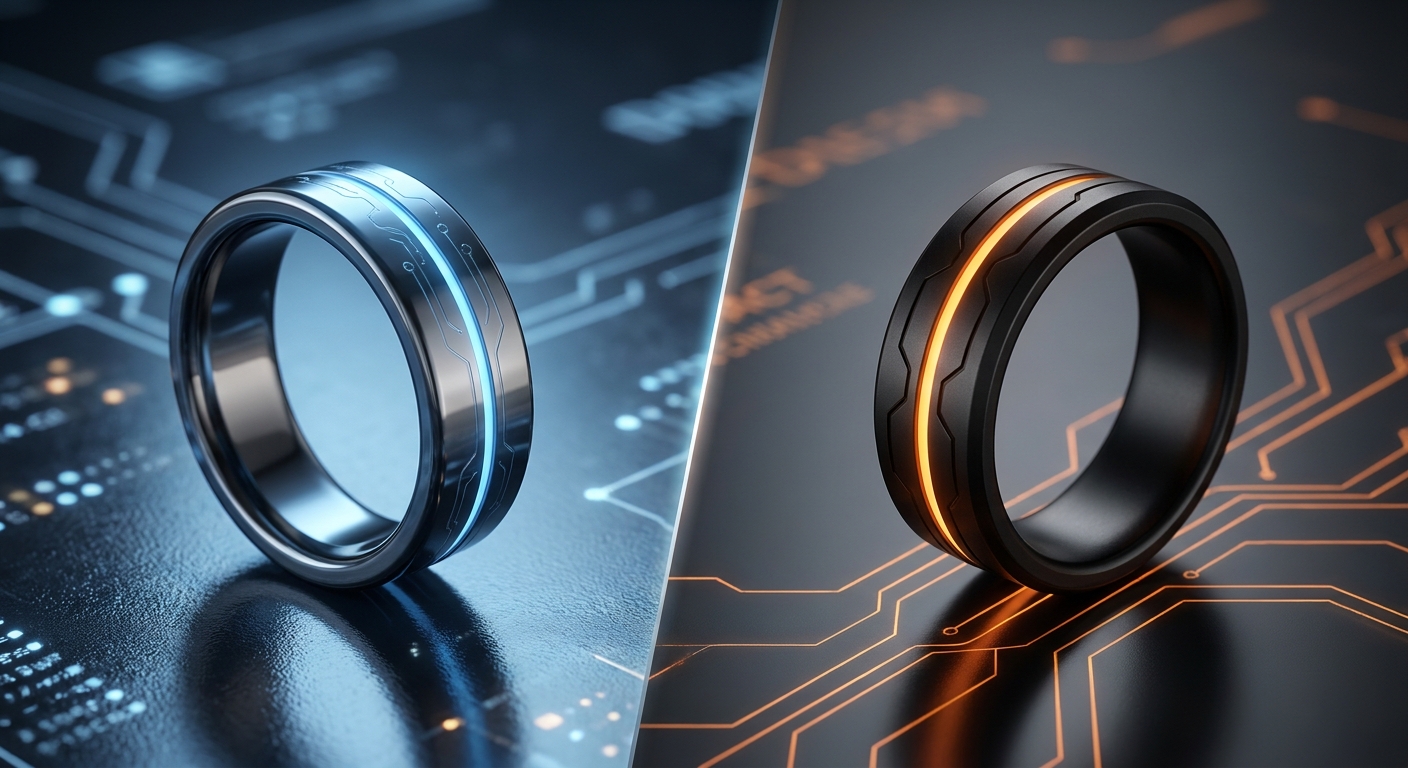
In this review, I’m analyzing the Milavan ecosystem, specifically comparing their flagship Milavan Smart Health Ring 2.0 against its predecessor, the Milavan Smart Health Ring (Gen 1). We’ll examine whether the proprietary "Advanced 5.0" sensor suite offers a tangible upgrade in biometric precision and how these devices hold up against the rigors of daily life.
The Ecosystem: Data Without the Paywall
One of the most immediate differentiators for Milavan is its pricing structure. Unlike major competitors that lock deeper insights behind a subscription, Milavan provides full access to your data upfront.
The app interface prioritizes immediate readability over depth. You get your dashboard of core metrics—heart rate, sleep stages, and activity—presented in a straightforward linear feed. For users who get overwhelmed by the dense data correlation graphs found in premium ecosystem apps, this simplicity is refreshing. However, from a data science perspective, I found the lack of raw data export options limiting for those of us who like to crunch our own numbers.
Flagship Analysis: Milavan Smart Health Ring 2.0
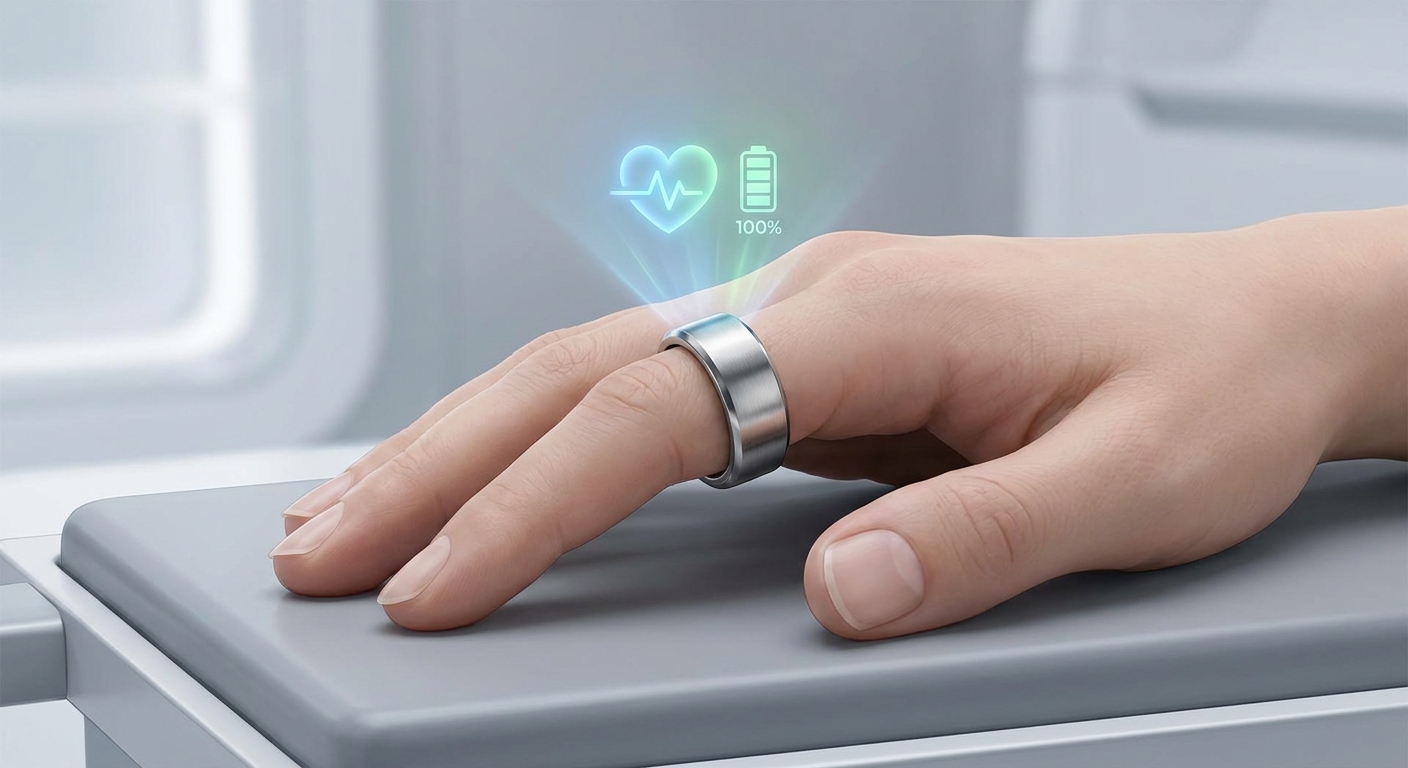
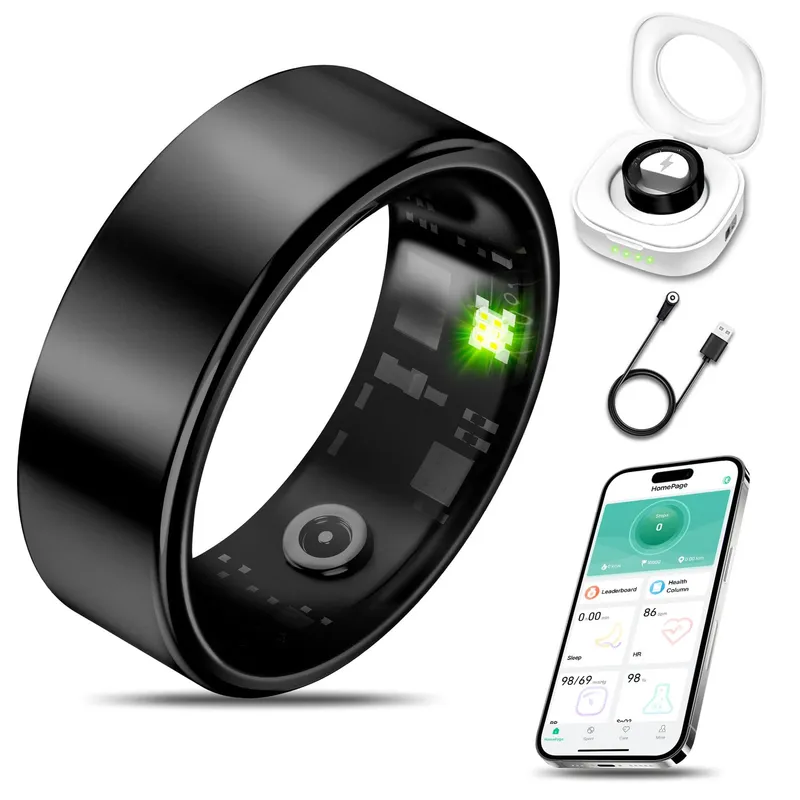
The Milavan Smart Health Ring 2.0 represents the brand's effort to refine its hardware platform. The most notable upgrade on paper is the "Advanced 5.0" sensor module. In my testing, this optical sensor array showed improved signal stability during moderate movement compared to previous iterations, likely due to better photodiode placement and noise-cancellation algorithms.
A surprising addition to the 2.0 model is its massive library of sports modes—claiming support for 187 different activities. While I appreciate the variety, it is important to understand that in a ring form factor (which lacks GPS), "Water Polo" and "Handball" modes primarily track heart rate variance and calorie burn estimates rather than sport-specific kinematics.
The materials have also seen an upgrade. The 2.0 features a more scratch-resistant coating, which is crucial for a device that lives on your hand. During a week of testing involving weightlifting and gardening, the finish held up surprisingly well.
Previous Generation: Milavan Smart Health Ring (Gen 1)
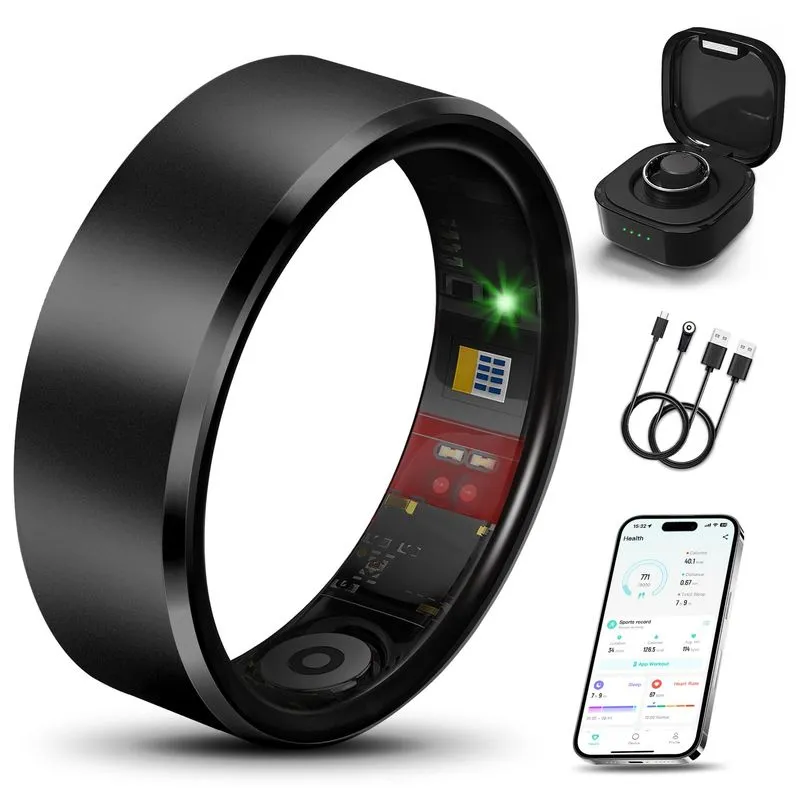
The original Milavan Smart Health Ring remains available and offers a similar form factor but with a different sensor focus. Most notably, this generation claims to offer blood pressure monitoring—a feature conspicuously absent from the 2.0's primary marketing.
I must urge caution here. "Blood pressure" estimation via optical sensors (PPG) without a pressurized cuff is notoriously difficult to calibrate. In my comparison against a clinical cuff, the Gen 1 ring provided trends that generally followed my physiology (rising during stress, falling during rest), but the absolute values varied enough that I wouldn't rely on it for medical management.
That said, as a general activity tracker, it performs admirably for the price. It captures steps, basic sleep architecture, and heart rate with acceptable consistency for casual users. The 3-5 day battery life is consistent with the market average, though slightly less efficient than the 2.0 model due to older power management chips.
Feature Comparison
| Feature | Milavan Ring 2.0 (Flagship) | Milavan Ring (Gen 1) |
|---|---|---|
| Sensors | Advanced 5.0 Optical Module (HR, Sleep, SpO2) | Gen 4.0 Sensors (HR, BP Estimate, SpO2) |
| Sports Modes | 187 Modes | 8 Modes |
| Build Quality | Scratch/Fingerprint Resistant | Standard IP68 Waterproof |
| Battery Life | 3-5 Days (Optimized) | 3-5 Days |
| Connectivity | Bluetooth 5.1 | Bluetooth 4.0 |
| Buy on Amazon | Buy on Amazon |
Unique Selling Points: Sensor Philosophy
Milavan's approach to sensors highlights a divergence in strategy between the two generations. The Gen 1 aimed for breadth of metrics (attempting blood pressure), while the Gen 2 aims for depth and reliability (improving the core HR/Sleep signal).
For the 2.0, the "Advanced 5.0 sensor" isn't just a marketing term; it reflects a shift towards higher sampling rates. This allows for better resolution in Heart Rate Variability (HRV) data, which is the gold standard for assessing recovery and stress.
Verdict: Which One Should You Choose?
If you are looking for a budget-friendly entry into the world of smart rings, the choice comes down to your priorities: stability vs. experimentation.
Our Top Pick

Milavan
Milavan Smart Health Ring 2.0 - Size 7 Black
The Milavan Smart Health Ring 2.0 is the superior device for anyone serious about consistent tracking. The improved sensor accuracy, durable finish, and extensive activity modes make it a more reliable daily companion. It feels like a mature product that focuses on doing the basics well.
The Milavan Smart Health Ring (Gen 1) is best reserved for those strictly on a budget or those curious about experimental features like optical blood pressure trends, provided you understand the limitations of that technology.
Frequently Asked Questions
Does the Milavan ring require a smartphone connection constantly? expand_more
No, the ring has onboard memory to store data for a limited time (usually up to 7 days). However, you need to sync it with the app to view your detailed analytics and clear the memory.
Can I wear the Milavan ring while swimming? expand_more
Yes, both the Gen 1 and Gen 2 rings are rated IP68 waterproof. They can withstand submersion in water, making them suitable for swimming, showering, and washing hands without worry.
How accurate is the sleep tracking compared to a medical device? expand_more
Milavan rings use actigraphy and heart rate to estimate sleep stages. While good for spotting trends (like consistent lack of deep sleep), they are consumer devices and may not perfectly match clinical polysomnography, especially in distinguishing REM from light sleep.