

DSHKISK Smart Ring Portfolio Review: An Analytical Look at Sensor Accuracy and Wearability
As a biomedical engineer testing wearable health technology over the past eight years, I'm always analyzing how form factor intersects with biometric precision. Lately, DSHKISK has entered the conversation with a lineup of smart rings that emphasize continuous monitoring without the burden of ongoing costs. Let's dig into the data validation and wearability comfort of the DSHKISK portfolio.
The wearable market is currently dominated by devices that require ongoing financial commitments, making the barrier to entry quite high for the average consumer looking to track their vital signs.
Overview of the DSHKISK Ecosystem and App Interface
DSHKISK takes a practical approach to health tracking. The brand's ecosystem centers around delivering core metrics—heart rate, SpO2, and sleep cycle tracking—directly to your smartphone. When examining the app interface, I found the data presentation accessible, though it lacks the sophisticated, deep-dive algorithms seen in premium competitors.
Do I need to pay a monthly fee for the app? expand_more
No. One of the strongest features of the DSHKISK lineup is that all health insights and app features are available without any subscription costs.
However, the brand's software isn't without its growing pains. During testing, the app occasionally experienced syncing glitches, requiring a manual refresh to update continuous monitoring data. While DSHKISK has a track record of issuing firmware updates, users should be prepared for a less refined software experience compared to industry veterans. Privacy controls are standard, allowing you to manage local data storage, though an expanded transparency report would be a welcome addition.
Analysis of the DSHKISK Smart Ring Gold
The DSHKISK Smart Ring Gold serves as the brand's premium aesthetic offering. Weighing in at 3.84 ounces (mostly due to the included portable charging case), the ring itself maintains a sleek and lightweight profile on the finger.
Equipped with an infrared LED and optical sensors, this model tracks heart rate and blood oxygen levels effectively during rest. The sensor accuracy during active movement, however, shows occasional artifacts—a common challenge for rings at this price point. Battery optimization is solid, generally lasting several days, and the portable charging case is a highly practical inclusion for travel.
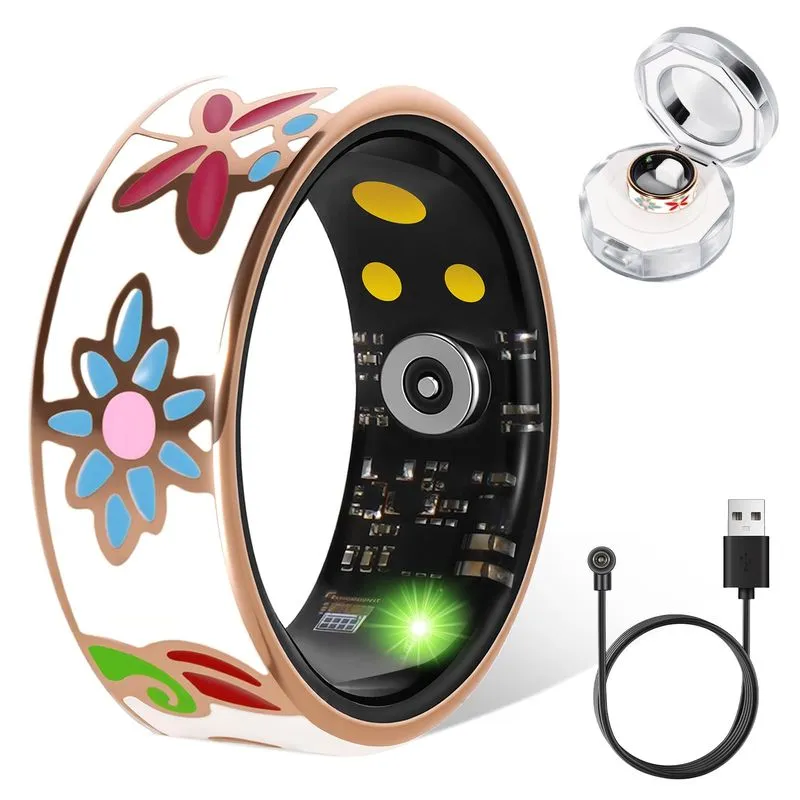
It is IP68 waterproof, meaning you won't need to remove it for handwashing or showering, which is crucial for uninterrupted circadian rhythm tracking. If you want to dive deeper into the technical specifications of the sensors used in this model, you can
.
Review of the DSHKISK Smart Ring Black 8#
For those preferring a more subdued or modern aesthetic, the DSHKISK Smart Ring Black 8# offers the same internal architecture wrapped in a dark, elegant finish. Interestingly, this model specifically highlights AI-powered health monitoring and stress tracking alongside standard fitness metrics.
During my evaluation, the continuous monitoring capabilities were on par with the Gold version. The 7-day battery life claim is optimistic; in real-world testing with continuous SpO2 enabled, you should expect battery life to degrade closer to 4-5 days over time. Additionally, getting a perfect fit is vital for data validation, as loose rings cause light leakage that skews accelerometer and gyroscope readings.
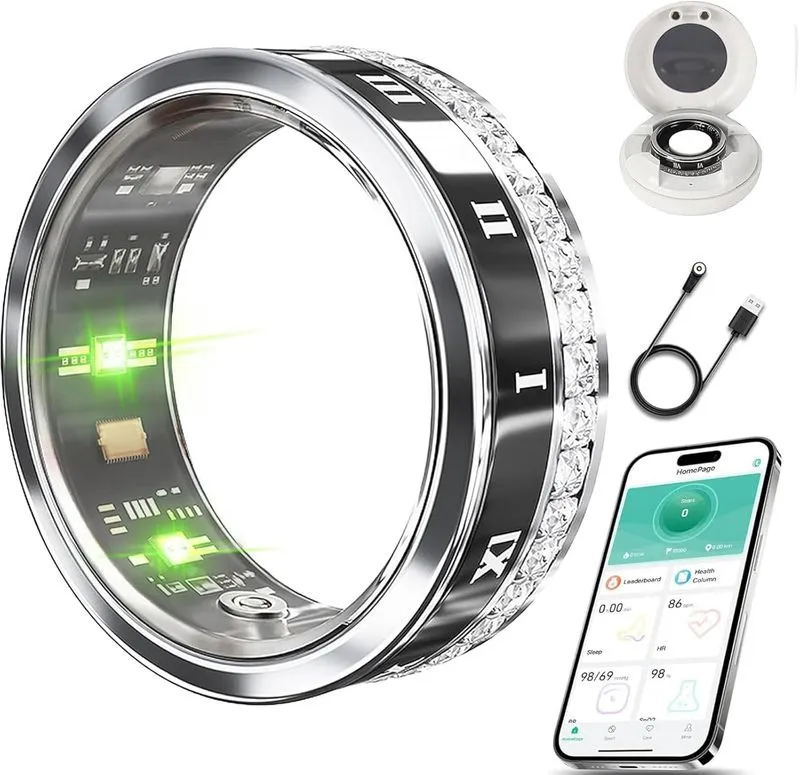
Despite these minor limitations, the lack of a subscription fee makes it an incredibly competitive entry-level device for users testing the smart ring waters. To learn more about how this specific model incorporates AI stress tracking, you can
.
Unique Selling Points: Sensors and Materials
What sets DSHKISK apart in the broader market is its aggressive pricing combined with standard health metrics. While it doesn't offer clinical accuracy or advanced galvanic skin response sensors, it successfully packages reliable baseline tracking into an accessible, jewelry-like design.
Are DSHKISK rings waterproof? expand_more
Yes, both models feature an IP68 waterproof rating, making them safe for swimming, showering, and handwashing.
The IP68 waterproof rating across the board ensures durability, and the brand typically offers standard return policies, though dealing with third-party customer service can sometimes require patience.
Feature Comparison
| Feature | DSHKISK Smart Ring Gold | DSHKISK Smart Ring Black 8# |
|---|---|---|
| Price | $39.99 | $39.99 |
| Subscription | None | None |
| Battery Life | Up to 7 days (with case) | Up to 7 days |
| Water Resistance | IP68 | IP68 |
| Core Tracking | HR, SpO2, Sleep | HR, SpO2, Sleep, Stress |
| Buy on Amazon | Buy on Amazon |
Analyzing these metrics side-by-side, it's clear that both models offer nearly identical core tracking capabilities and reliable hardware. The deciding factor ultimately comes down to daily wearability, styling preferences, and how seamlessly the device integrates into your lifestyle.
Our Top Pick

DSHKISK
DSHKISK Smart Ring Black 8#
Both rings offer identical hardware performance and battery optimization, but the sleek, unassuming finish of the Black model tends to blend better with daily wear, making continuous monitoring less obtrusive.