

Zopsc Smart Ring Portfolio Review: An Engineer’s Perspective on Wearable Biometrics
As a biomedical engineer who spends most days analyzing biometric data, I approach new wearables with a healthy dose of skepticism. The smart ring market is saturated with devices promising the moon while delivering little more than glorified pedometers.
Today, we are looking at the Zopsc ecosystem—specifically their smart ring lineup. Let's examine whether their approach to sensor accuracy and continuous monitoring stands up to rigorous data validation.
Ecosystem Overview and App Interface
Zopsc takes a streamlined approach to its digital ecosystem. Unlike competitors that overwhelm users with labyrinthine menus, the app focuses heavily on core health insights. The interface acts like a well-organized medical chart: your recovery metrics, circadian rhythm tracking, and daily activity are presented with clean visualizations.
However, the ecosystem relies heavily on your smartphone for heavy lifting. Since the ring acts as a passive data collection node, all complex algorithmic processing happens on your device. The app is generally robust, but I have noticed occasional lag during real-time data synchronization. Their track record with firmware updates has been steady, allowing users to keep their biometric precision data stored locally rather than forcing everything into the cloud.
Analysis of the Flagship Key Features
When entering the specific hardware analysis, I always start with the most popular model in the lineup to set a baseline.
Watch: Zopsc Smart Ring 9# Black
Looking closely at the Zopsc Smart Ring 9# Black—which I treat as their standard bearer—the engineering choices become clear. The ring boasts an IP68 water-resistant design, meaning it can survive everything from a sweaty workout to lap swimming.
Under the hood, it utilizes a standard optical PPG sensor (Photoplethysmography, which uses light to measure blood flow changes) combined with a 3-axis accelerometer. This allows it to capture a baseline of sleep monitoring capabilities and step counting. During my wearability comfort testing, the 0.08-kilogram stainless steel chassis felt surprisingly light, fading into the background of daily life much like a traditional piece of jewelry.
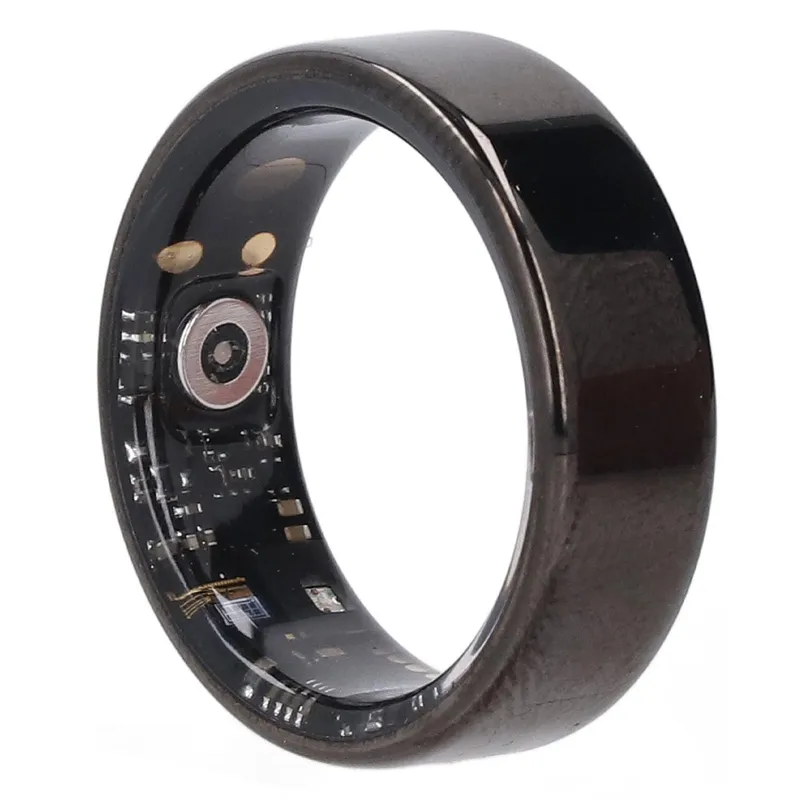
Battery optimization is a mixed bag. The manufacturer claims a 7-day standby time, which sounds impressive. However, in practical applications involving continuous monitoring and frequent app syncing, expect a realistic battery life of around 3 to 4 days. Thankfully, the magnetic charging cradle brings it back to full power in just an hour.
For those interested in exploring the deeper technical specifications of this model, you can always
directly from the brand.
Can I wear the Zopsc ring while swimming? expand_more
Yes. The IP68 water resistance rating means it is fully protected against dust and can withstand continuous immersion in water.
Unique Selling Points: Sensors and Materials
What sets the brand apart in the entry-level market is their inclusion of "remote family health tracking." This allows users to link their data feeds, enabling caregivers or family members to monitor baseline health metrics from afar. For an aging parent or a partner with chronic conditions, this is a highly practical feature.
Materially, the rings are forged from stainless steel rather than the more expensive titanium seen in premium alternatives. While this adds a microscopic amount of weight, it provides excellent durability against scratching. However, be cautious with sizing. Unlike flexible straps, rigid sensors demand an exact fit for optimal biometric precision.
This strict sizing rule applies to all aesthetic variants. Whether you opt for a sleek minimalist look or something that closely resembles traditional jewelry, achieving that perfect skin-to-sensor contact is non-negotiable for clean data.
Comparing the Lineup: Silver and Gold Alternatives
While the Black variant appeals to the minimalists, the Zopsc Smart Ring 9# Silver and Zopsc Smart Ring 9# Gold offer aesthetic variations without compromising the internal architecture. There is no difference in the accelerometer or gyroscope (the sensor that measures rotational movement) across these colors.
If you are entering the smart ring market for the first time and want to test the waters without a massive financial commitment, any of these finishes serve as a capable entry-level alternative. They retail in the accessible $20–$30 range, positioning them as budget-friendly data nodes.
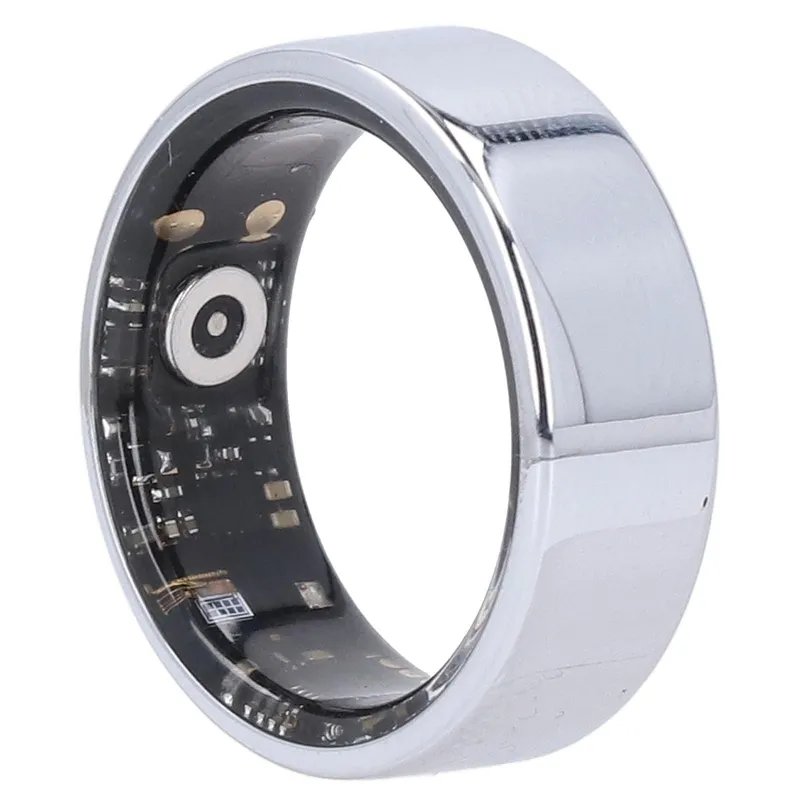
Keep in mind that there is a standard 30-day return policy, making it easier to swap out if the aesthetic doesn't match your style. You can
to see if it suits your daily wardrobe.
Here is a breakdown of how the different finishes compare across their core features:
| Feature | Zopsc Smart Ring 9# Black | Zopsc Smart Ring 9# Silver | Zopsc Smart Ring 9# Gold |
|---|---|---|---|
| Material | Stainless Steel | Stainless Steel | Stainless Steel |
| Water Resistance | IP68 | IP68 | IP68 |
| Battery Life | Up to 7 days | Up to 7 days | Up to 7 days |
| Price (approx) | $29.01 | $22.95 | $23.38 |
| Target User | Minimalist fitness | Everyday durability | Stylish health tracking |
| Buy on Amazon | Buy on Amazon | Buy on Amazon |
Subscription Model and Market Context
In a broader market context, many wearable companies are pivoting toward aggressive recurring revenue models. This often means your hardware becomes functionally useless if you stop paying a monthly fee.
Watch: Zopsc Smart Ring 9# Gold
Zopsc takes a refreshingly different route. The smart ring requires zero monthly subscription fees. The purchase price of the hardware unlocks the full feature set within the companion app.
This lack of a subscription makes it a highly competitive budget option. However, the trade-off is a lack of deep, AI-driven coaching or medical-grade HRV (Heart Rate Variability) and SpO2 (blood oxygen saturation) deep dives.
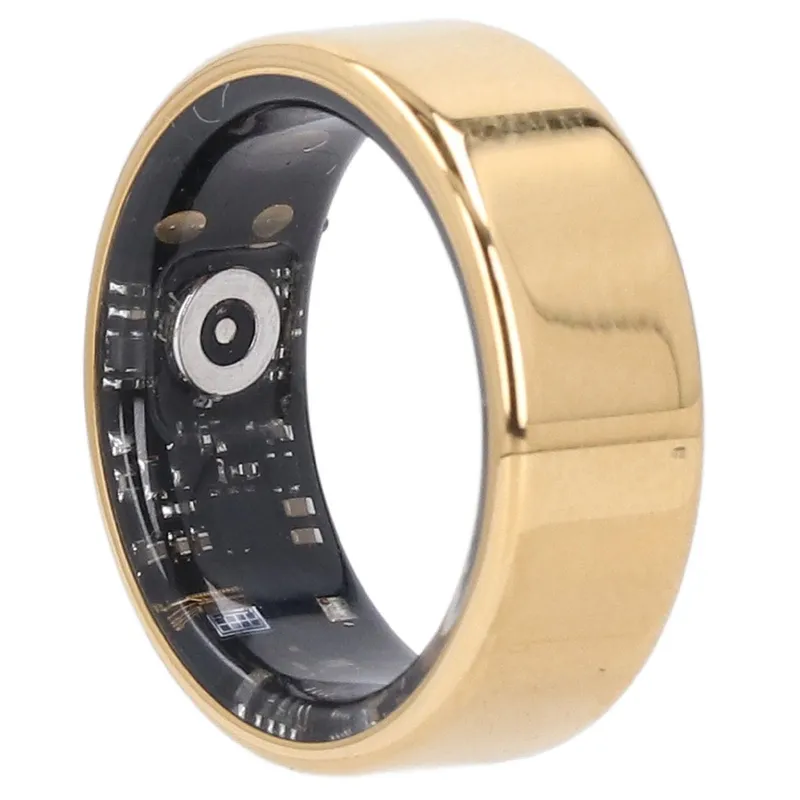
These compromises are standard for the entry-level price point, but the absence of a paywall for your own health metrics is a significant win for consumer data ownership. You can
directly to verify its feature inclusions.
Does the Zopsc ring track Heart Rate Variability (HRV)? expand_more
It provides basic heart rate data, but lacks the granular, clinical-level HRV tracking found in higher-end models.
Final Verdict
As we wrap up this analysis, it is clear that these devices are not aiming to replace hospital-grade medical equipment. Instead, they serve as a fantastic, low-barrier gateway into personal wellness monitoring.
Our Top Pick

Zopsc
Zopsc Smart Ring 9# Black
The Zopsc portfolio is a solid, practical entry point into wearable biometrics. If you demand absolute sensor accuracy and complex recovery metrics, you might need to look at more expensive tiers. But for basic continuous monitoring wrapped in an affordable, subscription-free package, the Zopsc Smart Ring 9# Black gets the job done.