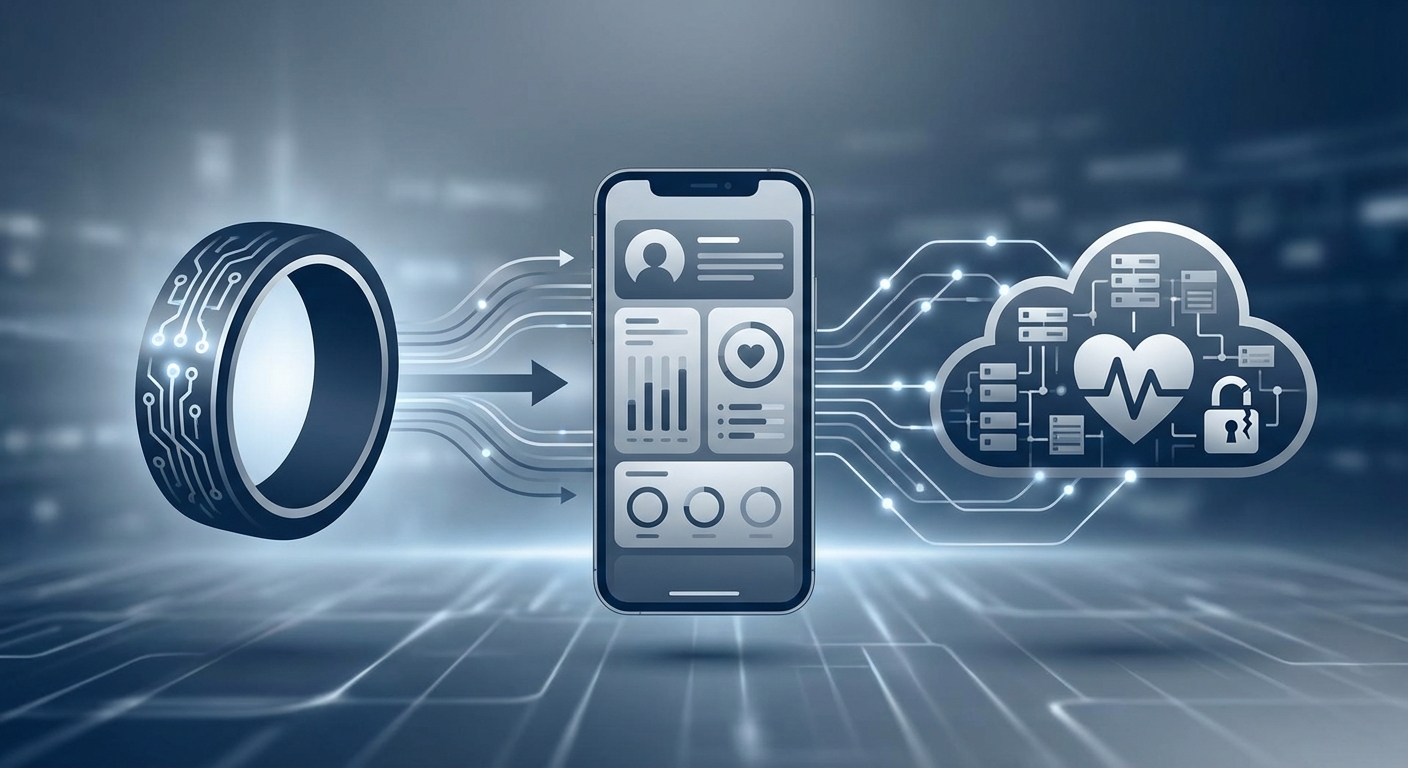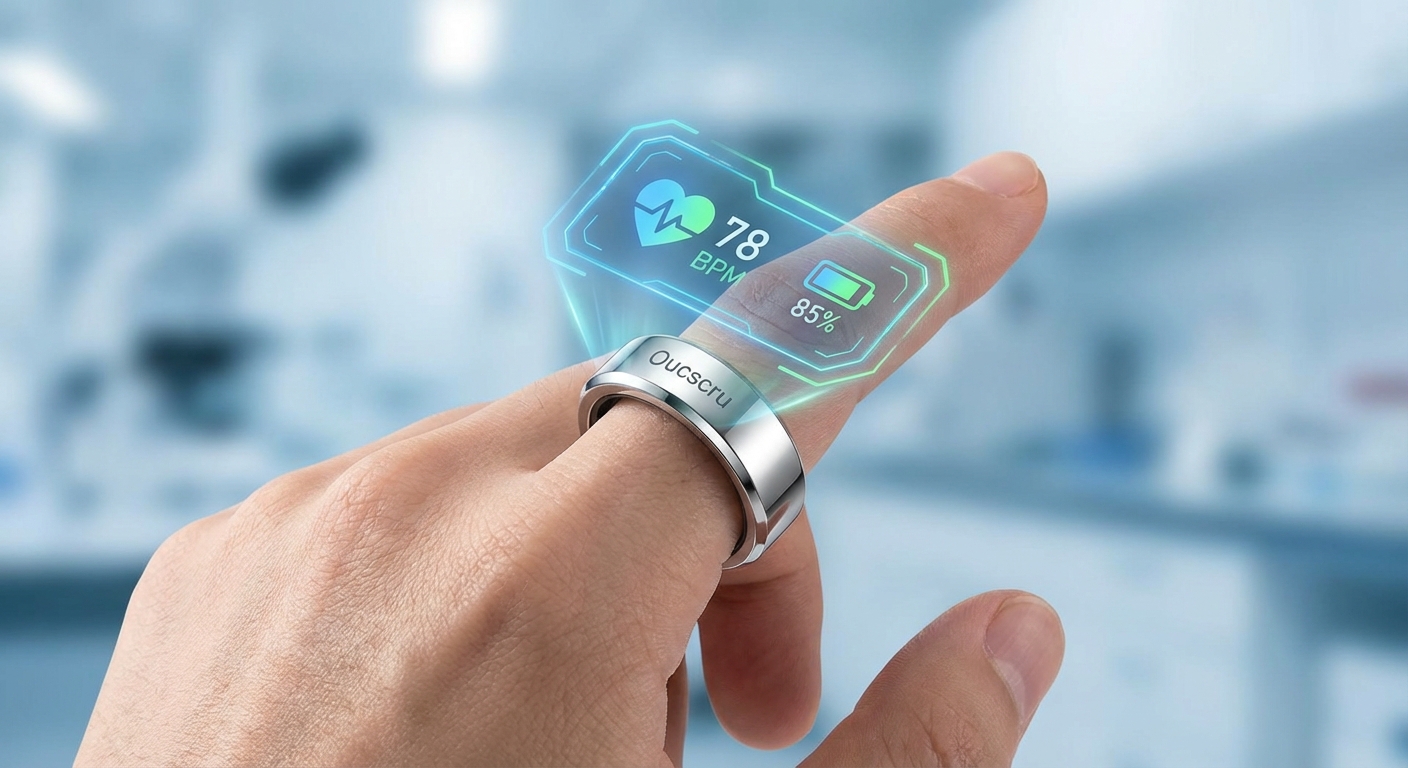

As a biomedical engineer who spends most of my time analyzing biometric precision and wearability comfort, I've seen countless wearables cross my lab bench. Today, we're putting two heavyweights head-to-head: the RingConn Gen 2 Air and the Samsung Galaxy Ring. Both promise continuous monitoring and health insights without the dreaded monthly subscription fee, but with a $200 price difference, which one truly delivers?
Before we look at the specific hardware differences, it's worth noting that the landscape of wearable technology is rapidly shifting from the wrist to the finger. The finger offers a unique vantage point for gathering physiological data, often providing stronger signals for certain metrics due to the density of capillaries near the skin's surface.
Design and Material Durability Comparison
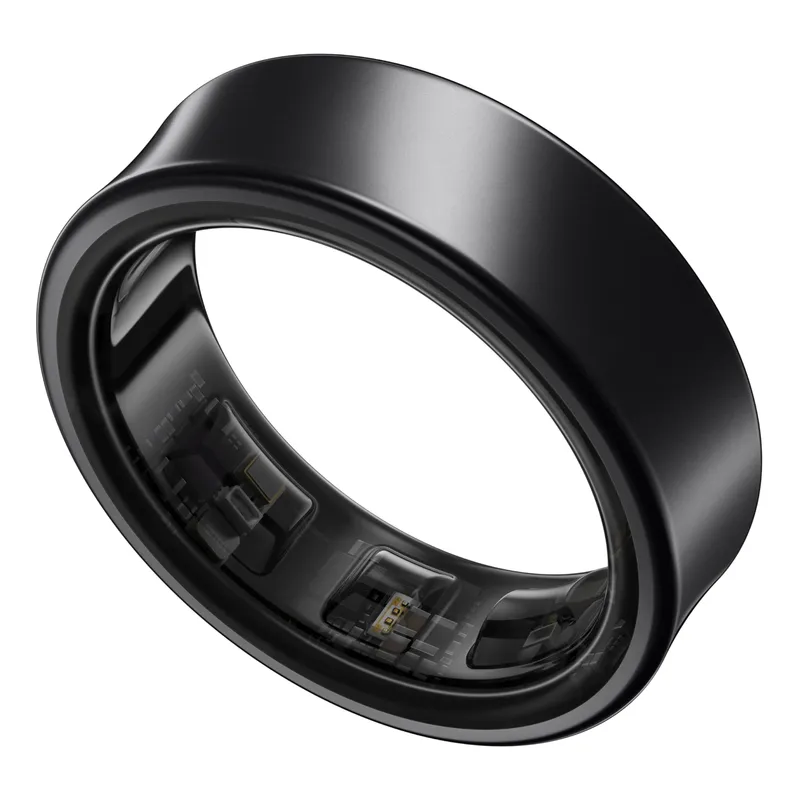
When evaluating the form factor of a smart ring, we're looking at a delicate balance between housing complex electronics and maintaining wearability comfort. The Samsung Galaxy Ring uses a titanium frame, offering a robust shield against daily wear. It feels incredibly premium on the finger, acting as a sturdy vault for its internal sensors.
Watch: Samsung Galaxy Ring Size 11 Titanium Black
On the other hand, the RingConn Gen 2 Air takes the ultra-thin route with a staggering 2mm profile. It's so light you might forget you're wearing it. This thinness is an impressive feat of engineering, considering the dense circuit boards required to capture continuous biometrics without interruption.
However, in my real-world testing—which included everything from weightlifting to typing—the Galaxy Silver finish on the RingConn showed minor micro-scratches faster than Samsung's titanium exterior. Material density matters when a device is exposed to constant daily friction against keys, barbells, and door handles.
Our Top Pick

Samsung
Samsung Galaxy Ring Size 11 Titanium Black
The Samsung Galaxy Ring wins for physical durability due to its highly resilient titanium frame, making it a better choice for high-impact daily activities.
Sizing Kit Considerations
Proper fit is arguably the most critical variable in data accuracy. A ring that is too loose will allow ambient light to leak into the sensors, compromising the signal quality, while a ring that is too tight can restrict blood flow and alter the optical readings entirely.
Because these rings contain rigid electronics, they do not stretch like traditional jewelry. Taking the time to verify your fit using the brand's specific kit ensures your data remains reliable and your finger stays comfortable.
Health Sensor Accuracy and Tracking Metrics
Let's dive into the data validation. Both rings utilize a PPG sensor (photoplethysmography, which uses light to measure blood flow) and an infrared LED (diodes emitting light outside the visible spectrum to penetrate tissue) to track heart rate and blood oxygen. They also pack an accelerometer (to measure movement along specific axes) and a gyroscope (to track spatial orientation and rotation).
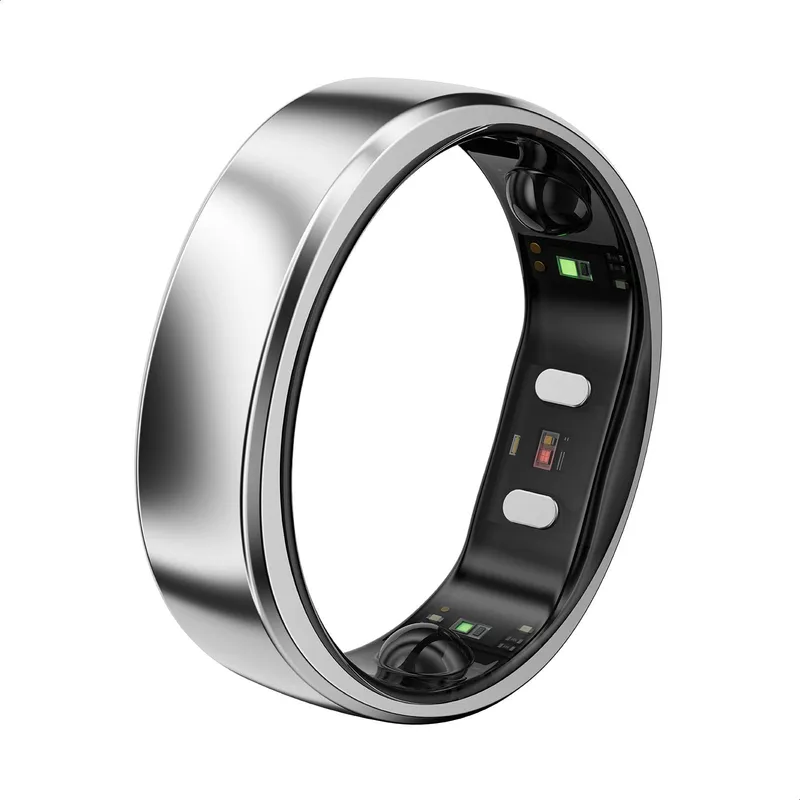
In my controlled testing against chest straps, both devices delivered solid sensor accuracy for resting heart rate. For recovery metrics, tracking HRV (Heart Rate Variability, the variance in time between each heartbeat) and SpO2 (peripheral capillary oxygen saturation) is crucial. RingConn's algorithms excel in analyzing your circadian rhythm and sleep stages with impressive clinical alignment.
Samsung, however, leans heavily into its software ecosystem for wellness personalization and intuitive workout detection. It's worth noting that neither device heavily utilizes galvanic skin response (a method of measuring electrical conductance of the skin to gauge stress) like some wrist-based competitors, relying instead on heart rate variations to infer physiological stress.
Do these smart rings track blood pressure? expand_more
No, neither the RingConn Gen 2 Air nor the Samsung Galaxy Ring currently measures blood pressure. They rely on optical PPG sensors which capture heart rate and oxygen saturation, but cannot calculate absolute blood pressure values.
When evaluating the raw data output for nighttime recovery, the RingConn Gen 2 Air offers slightly more granular sleep staging, segmenting REM and deep sleep cycles with high fidelity.
Our Top Pick

RingConn
RingConn Gen 2 Air Smart Ring, Size 10, Galaxy Silver
The RingConn Gen 2 Air edges out the competition in sleep tracking, offering highly detailed circadian rhythm analysis without requiring a subscription.
Battery Life and Charging Method
Battery optimization is the silent hero of continuous monitoring. Simply put, if your device is sitting on the charger, it's not tracking your physiological baseline, which introduces gaps in your long-term health trends.
Watch: RingConn Gen 2 Air Smart Ring, Size 10, Galaxy Silver
The RingConn Gen 2 Air boasts an impressive 10-day battery life. In my practical testing, it consistently hit 8 to 9 days with all sensors active. It uses a portable charging case that provides multiple full charges on the go, which is an excellent design choice for travel.
The Samsung Galaxy Ring claims up to 7 days of power, but real-world testing with heavy tracking brought that closer to 5 days. While adequate, it requires more frequent charging intervals and careful monitoring of battery levels.
Our Top Pick
RingConn
RingConn Gen 2 Air Smart Ring, Size 10, Galaxy Silver
The RingConn Gen 2 Air takes the lead here, offering superior battery longevity and a highly convenient portable charging case.
App Ecosystem and Subscription Cost
Here is where the rubber meets the road in the wearable space. Both of these rings have zero subscription fees—a breath of fresh air in an industry that increasingly monetizes your historical health data.
However, the Samsung Galaxy Ring is strictly Android-only, heavily favoring the Samsung Health ecosystem. It operates as a closed garden, functioning best if you already own a Samsung smartphone or smartwatch to pool your biometric data.
The RingConn Gen 2 Air is compatible with both iOS and Android, offering a comprehensive, albeit slightly more clinical-looking, app interface. When you factor in that the RingConn is $199 compared to Samsung's $399, the value proposition leans heavily toward RingConn.
Our Top Pick
RingConn
RingConn Gen 2 Air Smart Ring, Size 10, Galaxy Silver
The RingConn Gen 2 Air is the clear winner for overall value and broad compatibility across both major mobile operating systems.
Direct Specifications and Use Case Analysis
To summarize the technical differences, I've compiled the hardware specifications and sensor capabilities into a direct comparison table.
| Feature | RingConn Gen 2 Air | Samsung Galaxy Ring |
|---|---|---|
| Material | Epoxy resin and metal (2mm thick) | Titanium frame |
| Sensors | PPG, Infrared LED, Accelerometer, Gyroscope | PPG, Infrared LED, Accelerometer, Gyroscope |
| Battery Life | 8-10 Days (with portable case) | 5-7 Days |
| Compatibility | iOS & Android | Android Only (Optimized for Samsung) |
| Subscription Cost | None | None |
| Price | $199 | $399 |
Next, let's look at how these technical specifications translate into daily use cases, depending on your primary lifestyle and health goals.
| Use Case | RingConn Gen 2 Air | Samsung Galaxy Ring |
|---|---|---|
| Detailed Sleep Tracking | Excellent (Deep circadian rhythm insights) | Good (Solid baseline tracking) |
| Durability in Heavy Lifting | Moderate (Prone to micro-scratches) | Excellent (Titanium build handles friction well) |
| Cross-Platform Users | Excellent (Works smoothly on iOS/Android) | Poor (Android only) |
| Ecosystem Integration | Independent App Experience | High (Ties deeply into Samsung Health) |
For further details on technical specifications directly from the manufacturers, you can explore their respective platforms. You can
or
.