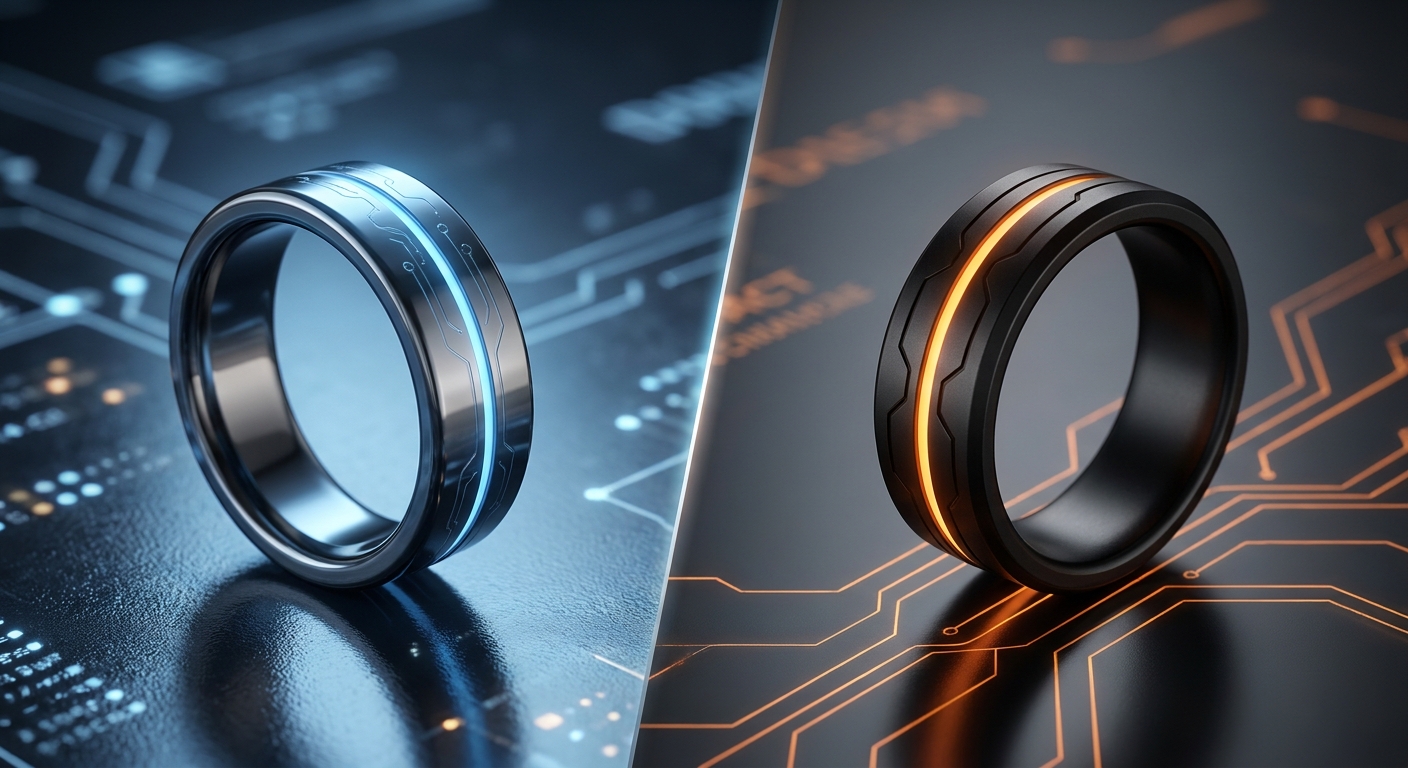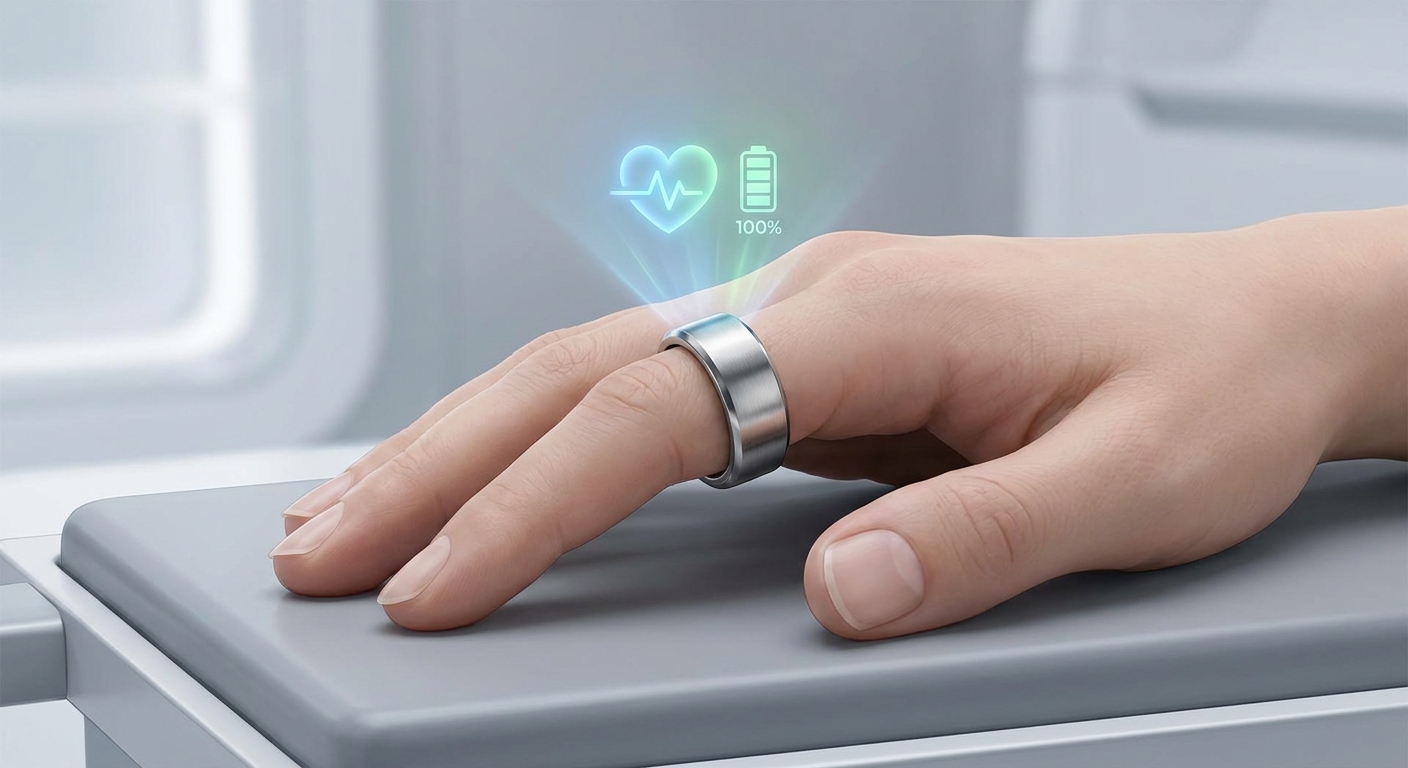
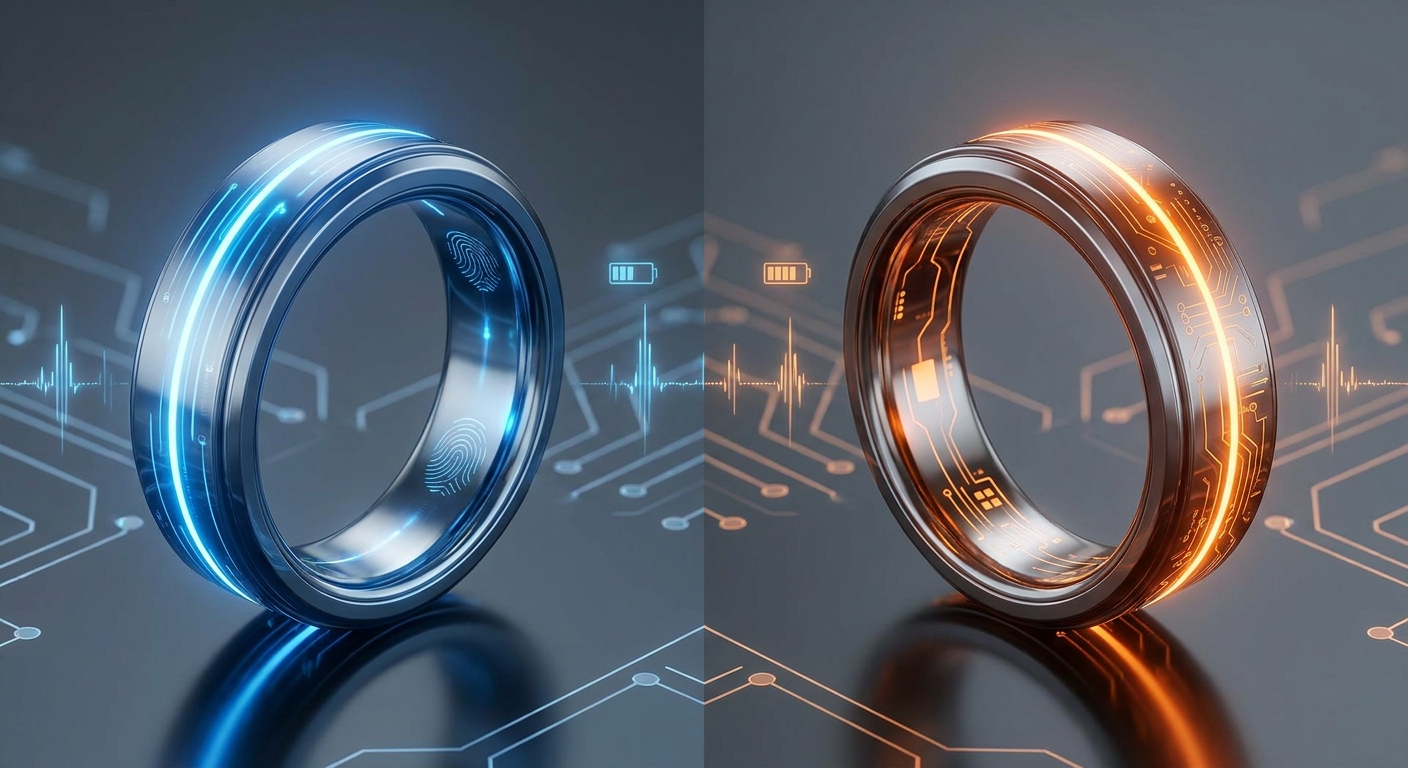
As a biomedical engineer, I spend my days analyzing how wearable sensors capture physiological data and how well these devices integrate into our daily lives. Today, we are examining two budget-friendly smart rings that promise comprehensive health monitoring without the burden of monthly subscription fees.
We will compare the Mexlyca Smart Ring 8# and the Fvtga Smart Ring 8# Silver to see which device offers better sensor accuracy, wearability comfort, and overall value.
Design and material durability comparison
When evaluating smart wearables, structural integrity and wearability comfort are paramount. Both of these rings are available in a size 8 silver finish and carry an IP68 waterproof rating, meaning they are engineered to withstand continuous submersion in water.
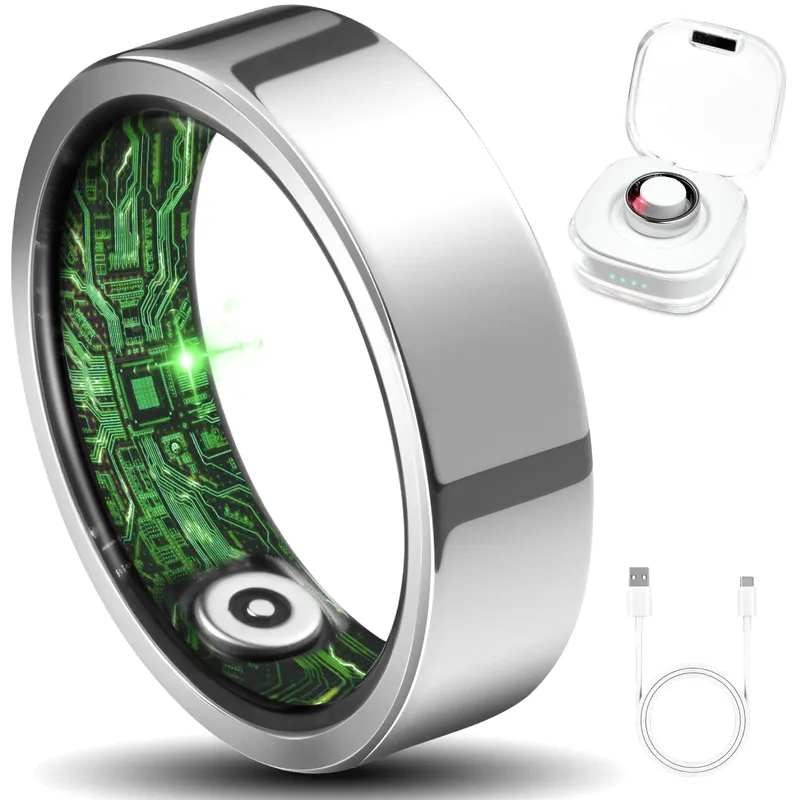
The Mexlyca ring offers a comfortable fit, utilizing standard smooth inner molding. However, the Fvtga ring explicitly focuses on a highly lightweight construction. In biomedical monitoring, a device that feels lighter on the finger reduces the user's awareness of the hardware, which minimizes adjustments that can introduce motion artifacts into the sensor data.
Because both rings are designed for 24/7 wear, including during showers and hand washing, their IP68 ratings are crucial. The lack of bulk on the Fvtga model ensures a snug, unobtrusive fit that helps maintain the necessary skin-to-sensor contact required for accurate readings.
Our Top Pick

Fvtga
Fvtga Smart Ring 8# Silver
The Fvtga ring wins for its superior lightweight design that significantly enhances wearability comfort during continuous use.
Health sensor accuracy and tracking metrics analysis
Both rings utilize optical sensors to monitor 24/7 heart rate, but they diverge in their analytical outputs. The Mexlyca model attempts to offer a highly comprehensive suite, including SpO2 tracking and sleep stage analysis.
Watch: Fvtga Smart Ring 8# Silver
Unfortunately, broader metric claims do not always translate to sensor accuracy. The Mexlyca ring struggles with inconsistent sleep tracking and mixed overall accuracy. When a device fails to accurately categorize sleep stages, the resulting physiological baseline data becomes unreliable for long-term health assessment.
Will either of these rings measure my blood pressure? expand_more
No. Neither the Mexlyca nor the Fvtga models include blood pressure monitoring or built-in GPS capabilities. They rely strictly on photoplethysmography (PPG) and accelerometers for heart rate and movement data.
Conversely, the Fvtga unit focuses on executing its core competencies well. While it lacks GPS and a blood pressure monitor, it delivers detailed, reliable sleep tracking. By prioritizing a narrower set of metrics, the Fvtga model reduces the likelihood of false data points, making it a more dependable tool for monitoring overnight recovery.
Our Top Pick
Fvtga
Fvtga Smart Ring 8# Silver
Fvtga takes this category due to its reliable sleep tracking, avoiding the mixed accuracy issues present in the Mexlyca model.
Feature Comparison
| Feature | Mexlyca Smart Ring 8# | Fvtga Smart Ring 8# |
|---|---|---|
| Price | $17.99 | $39.99 |
| Water Resistance | IP68 | IP68 |
| Heart Rate Monitor | 24/7 Tracking | 24/7 Tracking |
| Sleep Tracking | Yes (Inconsistent) | Yes (Detailed) |
| Blood Oxygen (SpO2) | Yes | No |
| Gesture Controls | Yes | Remote Camera Only |
| Buy on Amazon | Buy on Amazon |
Battery life and charging method evaluation
Battery optimization is a critical factor in continuous health monitoring. If a device spends too much time on the charger, it creates gaps in your physiological data.
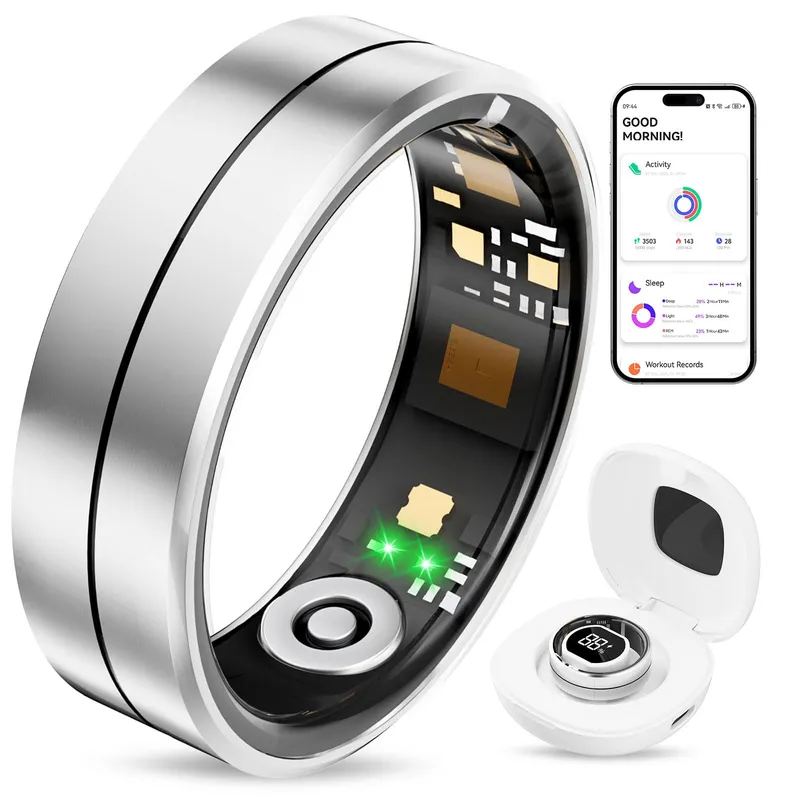
The Fvtga ring offers standard battery life typical of entry-level smart rings, requiring regular charging intervals. It performs dependably, but it doesn't push the boundaries of power management.
On the other hand, the Mexlyca model excels in this specific engineering challenge. It includes a dedicated charging case that extends the total battery life up to an impressive 20 days. This method of power delivery is highly practical, allowing users to top up the battery without being tethered to a wall outlet.
Our Top Pick

Mexlyca
Mexlyca Smart Ring 8# - Silver
Mexlyca wins the battery optimization category thanks to its practical charging case, extending usage up to 20 days.
App ecosystem and subscription cost breakdown
Hardware is only as useful as the software that interprets its data. Fortunately, both of these rings avoid the industry trend of pay-walling your personal health data behind monthly subscription fees.
Watch: Mexlyca Smart Ring 8# - Silver
However, the user experience differs vastly. The Mexlyca ring suffers from significant app translation issues and an unreliable Bluetooth connection. Dropped connections can lead to data synchronization failures, which is frustrating when trying to review your overnight metrics.
The Fvtga model mitigates these software frustrations. It offers a clean, easy-to-navigate application available for both iOS and Android. A stable app environment ensures that your 24/7 heart rate data and detailed sleep scores are readily available for analysis without technical friction.
Our Top Pick
Fvtga
Fvtga Smart Ring 8# Silver
Fvtga offers a superior software ecosystem with a stable connection and a user-friendly interface.
Use Case Scenarios
| Use Case | Mexlyca Smart Ring 8# | Fvtga Smart Ring 8# |
|---|---|---|
| Frequent Travelers | Excellent (20-day battery with case) | Moderate |
| Sleep Data Enthusiasts | Poor (Inconsistent tracking) | Excellent (Detailed sleep analysis) |
| Strict Budget Buyers | Excellent ($17.99) | Good ($39.99) |
| Tech Novices | Poor (Translation issues/Dropouts) | Excellent (Easy app integration) |
| Buy on Amazon | Buy on Amazon |
Do I need to pay a monthly fee to use either ring? expand_more
No. A significant advantage of both the Mexlyca and Fvtga smart rings is that they process and display your health metrics without requiring a recurring subscription fee.
If you want to view the official technical specifications for the Mexlyca hardware, you can find them here:
. For further details on the Fvtga platform, visit their page:
.