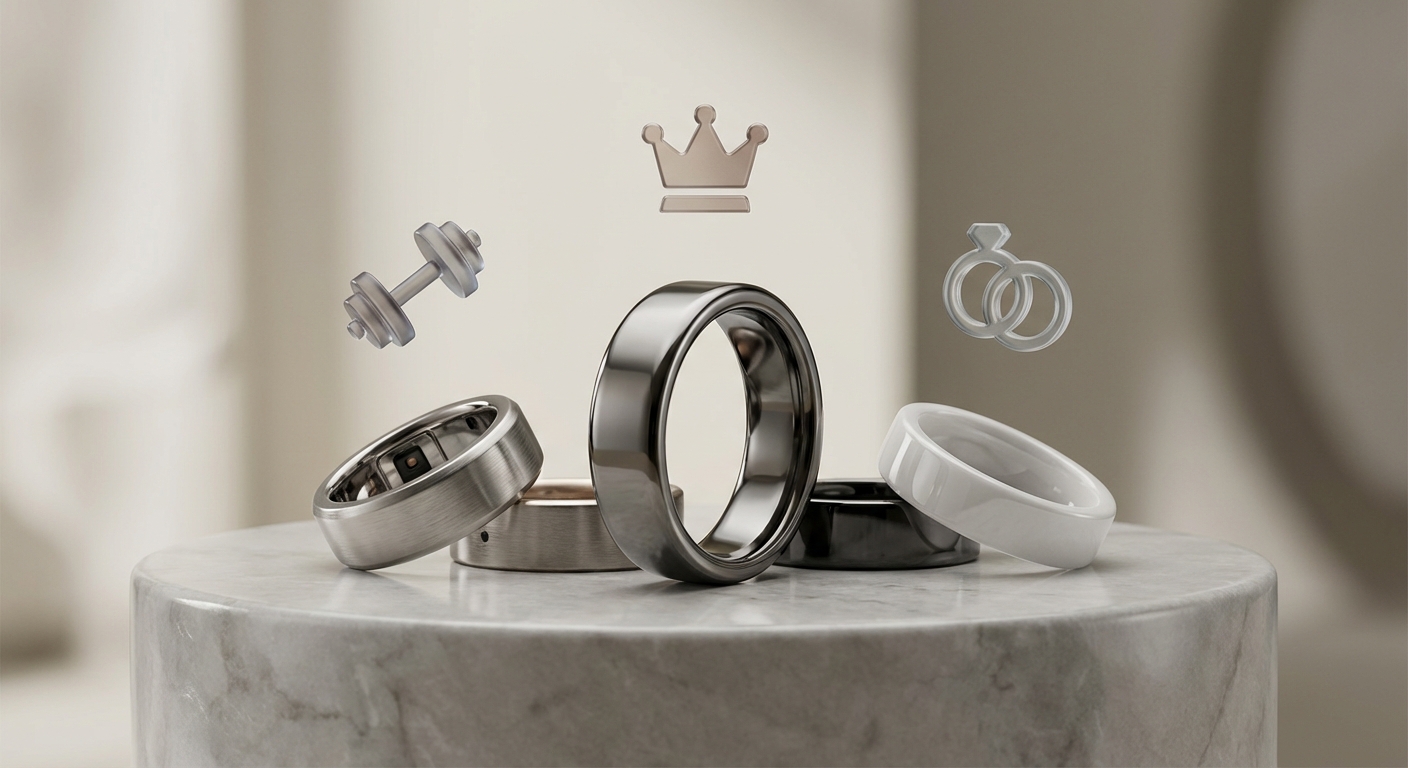
Category Best Picks: The Best Smart Rings for Samsung Galaxy Users
As a biomedical engineer who has spent the last eight years testing wearable health technology, I’ve watched the smart ring market evolve from a niche curiosity into a serious contender for wrist-based trackers. For
In this guide, I’ll evaluate the top smart rings compatible with the Samsung ecosystem. My analysis focuses on sensor accuracy (specifically PPG signal fidelity), battery optimization, and the practical utility of the health insights provided. We will look beyond the marketing claims to see how these devices actually perform in daily longitudinal testing.
The Premium Choice: Samsung Galaxy Ring
Best For: Seamless Ecosystem Integration & General Wellness
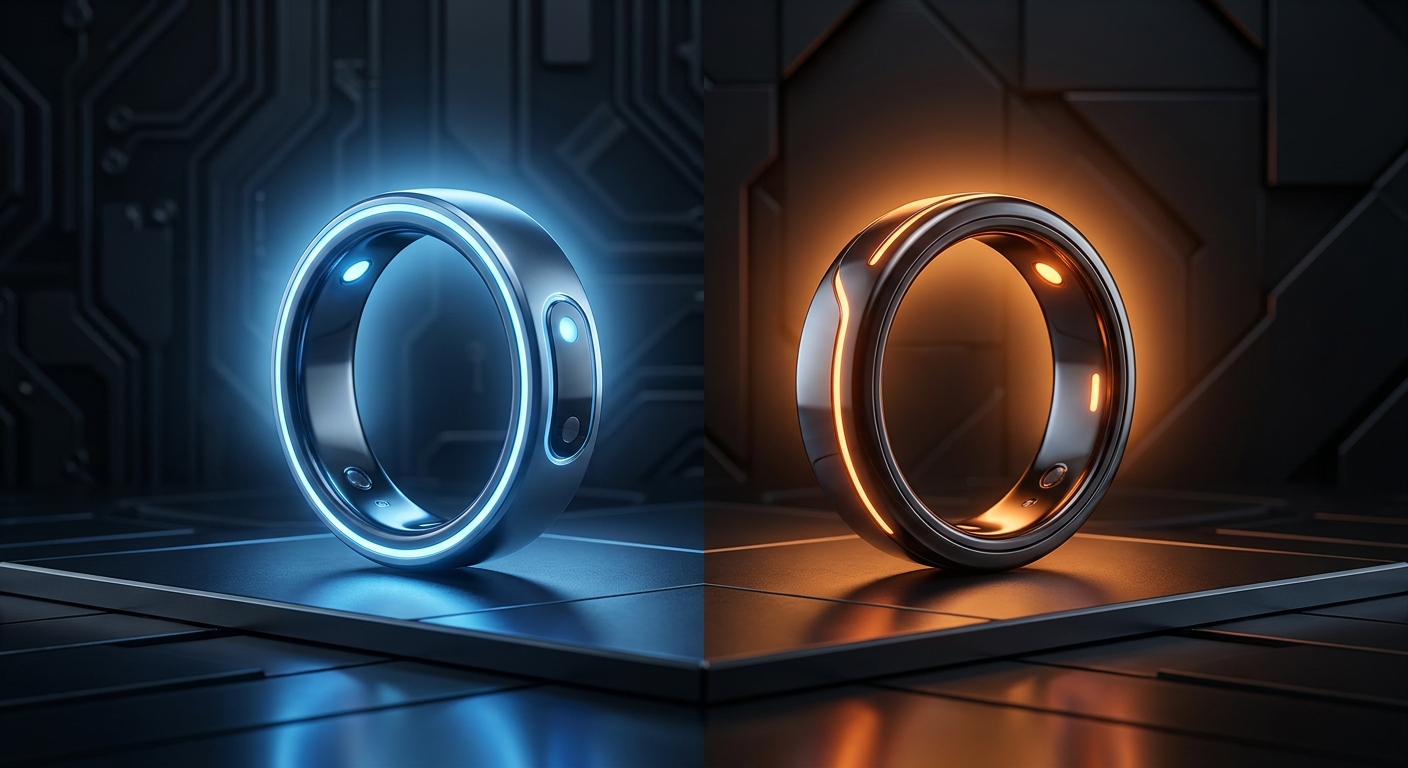
For users already invested in the Galaxy ecosystem (Watch, Phone), the
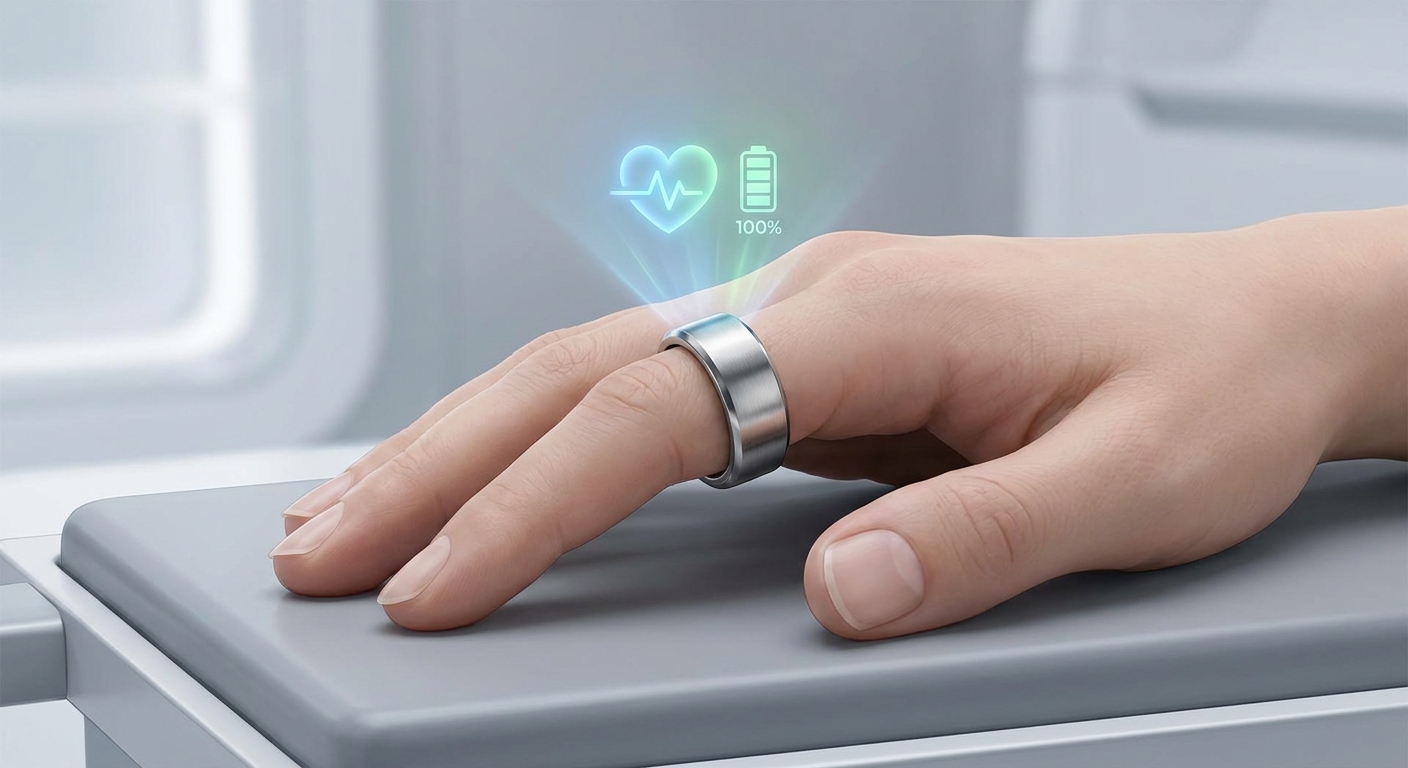
One of the most significant advantages here is the data synthesis. Unlike standalone rings that require their own apps, this ring feeds raw data directly into Samsung Health. This means your sleep data from the ring and activity data from a Galaxy Watch are merged via the \"Energy Score\"—a metric calculated using sleep time, sleep consistency, sleeping heart rate variability (HRV), and previous day's activity.
The hardware features a concave design, which I appreciate from a durability standpoint; it protects the surface from scratches better than a convex dome. The charging case is also a standout, mimicking the earbud case experience with its own battery reserve, extending practical travel use significantly.
However, users should be aware of the limitations. The gesture controls (double pinch) are innovative but currently limited to dismissing alarms or taking photos. Furthermore, while the sensor accuracy for sleep staging is high, it is strictly an Android-first device, with the deepest feature set locked to Samsung phones.
Can I use the Samsung Galaxy Ring with a non-Samsung Android phone? expand_more
Yes, but you will lose specific features like the \"Energy Score\" and \"Find My Ring\" capabilities. It functions best when paired with a Galaxy device.
The Best Value Option: MOMAX 1-Sense Soul Smart Ring
Best For: Budget-Conscious Buyers & First-Time Users
When analyzing the price-to-performance ratio, the
For users who are skeptical about spending $300+ on a device they might not enjoy wearing, this is an excellent entry point. It tracks the essentials: heart rate, sleep duration, and step count. Interestingly, it claims to offer \"AI Mood Insights.\" In my analysis, these metrics are likely derived from HRV data, similar to \"stress\" scores in other wearables. While less granular than the Galaxy Ring, the data trends over time are useful for establishing a baseline of your autonomic nervous system's health.
The build quality is surprisingly robust with a 5ATM water resistance rating, meaning it can withstand pressures equivalent to a depth of 50 meters—suitable for swimming. However, the accompanying app lacks the polish and deep medical validation found in the Samsung or Oura ecosystems.
Is the data from the MOMAX ring accurate? expand_more
For resting heart rate and sleep duration, it is adequate for general trends. However, for high-fidelity metrics like HRV or SpO2 during movement, premium sensors like those in Samsung or Oura generally provide cleaner signal-to-noise ratios.
The Most Stylish Design: Oura Ring 4
Best For: Fashion-Forward Users & Deep Data Granularity
While the Galaxy Ring is the native choice, the
The \"Ceramic\" finish option is particularly noteworthy. From a materials science perspective, ceramic offers superior scratch resistance and skin compatibility compared to standard titanium coatings. It feels more like jewelry and less like a peripheral.
The elephant in the room is the subscription model. Unlike Samsung or MOMAX, Oura requires a monthly fee to access your data. You must calculate this \"Total Cost of Ownership\" over 2-3 years when comparing prices.
Why is the Oura Ring 4 more expensive if it also requires a subscription? expand_more
Oura invests heavily in clinical validation studies and advanced sleep algorithms. You are paying for the software analysis and the premium materials (like Ceramic) as much as the hardware itself.
The Best Fitness-Focused Ring: Amazfit Helio Smart Ring
Best For: Athletes & Runners (Zepp Ecosystem)
The smart ring form factor is generally poor for high-intensity interval training (HIIT) or weightlifting due to the lack of a screen and potential discomfort gripping bars. However, the
This ring is designed to work in tandem with
The Helio is made of titanium alloy and is incredibly light (around 4g). Its price point ($199) sits comfortably between the budget and premium tiers. The main trade-off is battery life, which often falls short of the advertised duration if continuous monitoring is maxed out.
Do smart rings track workouts as well as watches? expand_more
Generally, no. Rings lack GPS and screens for real-time pacing. They are best for passive tracking (steps, calories) and recovery metrics (sleep, HRV) rather than active performance monitoring.
Feature Comparison: Specifications & Sensors
To help you decide, I’ve compiled the technical specifications based on my evaluation of these devices.
| Feature | ||||
|---|---|---|---|---|
| Primary Material | Titanium (Concave) | Metal Alloy | Titanium / Ceramic | Titanium Alloy |
| Subscription | None | None | Required ($5.99/mo) | None |
| Battery Life | Up to 7 Days | Up to 6 Days | 5-8 Days | ~4 Days |
| Water Resistance | 10 ATM | 5 ATM | 100m (approx 10 ATM) | 10 ATM |
| Ecosystem | Samsung Health | MOMAX Smart | Oura App | Zepp Health |
| Best Feature | Energy Score | Value / Price | Sleep Algorithm | Athletic Recovery |
Essential Buying Advice for Smart Rings
Before making a purchase, there are three critical technical factors you must consider.
1. The Importance of Sizing Kits
Unlike watches with adjustable straps, a ring's sensors must maintain constant contact with the palmar arteries of your finger to capture accurate HRV and SpO2 data. A loose ring allows ambient light to interfere with the PPG sensor, causing data artifacts. Always use the specific sizing kit for the brand you choose. A size 10 in Oura is not necessarily a size 10 in Samsung. Wear the plastic sizer for 24 hours to account for finger swelling during sleep and exercise.2. Battery Degradation & Optimization
Smart rings have tiny batteries (typically 15-25mAh). Over two years, lithium-ion capacity degrades. A ring that lasts 7 days today might last 4 days in two years.3. Data Ecosystems
Consider where you want your data to live. If you use a Samsung Watch, the Galaxy Ring is the only one that will deduplicate steps (so you don't get double credit for walking). If you use Strava or other third-party apps, check if the ring's app supports Health Connect (Android) to ensure data portability.Final Verdict
For the vast majority of Samsung users, the choice is clear. The synergy between the hardware and software makes the